





The Two Ages of Your Muscle
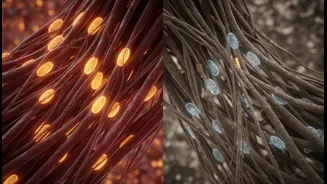
You have your chronological age, the number of candles on your birthday cake. But your muscles have their own biological age, which reflects their health and functional capacity. As we get older, our muscle cells can become less efficient. This isn't
just about feeling weaker; it's a process called molecular ageing. At a microscopic level, the powerhouses of our cells, the mitochondria, can start to decline in function. This leads to reduced energy production, increased inflammation, and a slower repair process. From the age of 30, muscle mass can decrease by 3-8% per decade, a decline that speeds up after 60. This gradual loss of muscle, known as sarcopenia, is what makes physical tasks harder and recovery slower as the years pass.
What the Science Says
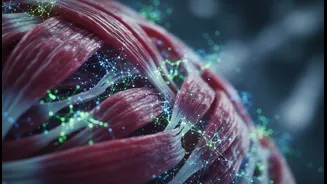
Recent scientific studies are providing a fascinating look into how exercise can combat this decline. Research shows that long-term, consistent physical training can significantly alter the molecular profile of muscle tissue, making it resemble that of a much younger person. A recent study highlighted that about 50% of the typical age-related changes in gene expression were absent in older adults who exercised regularly. In essence, their muscles were biologically younger. The research points to a remarkable reversal of the genetic 'fingerprint' associated with ageing. This happens because exercise triggers a cascade of positive effects, from improving the function of energy-producing mitochondria to clearing out damaged cellular components more efficiently.
The Machinery of Rejuvenation
So, how exactly does exercise work its magic? It's all about restoring balance. With age, a gene called DEAF1 can become more active, disrupting the muscle's ability to clean out and repair damaged proteins. This leads to a build-up of cellular 'junk' and weakens the muscle. Exercise, however, helps to suppress DEAF1, allowing the muscle’s natural recycling and repair systems to get back to work. It helps your body create new, healthy mitochondria and clear out the old, damaged ones. This process, known as mitochondrial biogenesis, is like upgrading the engine of your car. You get more power, better fuel efficiency, and a smoother ride—or in this case, more energy, better metabolism, and stronger, more resilient muscles.
The Best Exercise for Younger Muscles
The good news is that you don't need to become a professional athlete. The key is consistency over the long term. Studies show benefits from various types of physical activity. Aerobic exercises like brisk walking, cycling, or swimming are excellent for improving mitochondrial health and suppressing the negative pathways that accelerate muscle ageing. Resistance training—think weightlifting, bodyweight exercises, or using resistance bands—is particularly effective at stimulating muscle protein synthesis, directly building and maintaining muscle mass and strength. Many experts now believe a combination of both aerobic and resistance training provides the most comprehensive benefits, targeting both muscle quality and quantity. The most important factor is making it a sustained habit.
It's Never Too Late to Start
Perhaps the most empowering finding from this field of research is that it's never too late to benefit. Studies involving older adults who began a new exercise regimen showed significant improvements in muscle strength and a reversal of age-related molecular markers. One study found that after six months of training, older adults regained about 50% of the strength they had lost compared to their younger counterparts. The journey to healthier, more youthful muscles doesn't require extreme measures. It begins with the decision to move more, whether it’s taking a daily walk, joining a yoga class, or picking up some light weights. The focus should be on building a consistent routine that you can stick with for years to come, transforming your health from the inside out.