





A New Space Race Fueled by Commerce
Forget the Cold War-era race to the moon between nations. Today’s space race is a dynamic competition between commercial enterprises, driven by ambition and business plans. [9, 21] Companies like SpaceX, Blue Origin, and a growing ecosystem of startups
are not just contractors; they are visionaries building their own spacefaring capabilities. [9, 16] This shift is most visible in the launch sector, where demand for putting satellites and, soon, people into orbit is described as "insatiable." [21] Jeff Bezos, founder of Blue Origin, notes that the industry is currently "supply constrained, not demand constrained," a clear sign that the commercial appetite for space is enormous. [21] This new paradigm is fundamentally changing the cost and accessibility of space, creating a virtuous cycle of innovation. [21, 28]
The Gospel of Reusability and Rapid Iteration
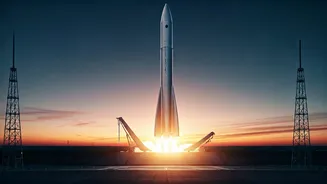
The single biggest driver of this new era is the mastery of reusable rockets. SpaceX, with its Starship vehicle, has pioneered a philosophy of rapid, iterative development more akin to a software startup than a traditional aerospace giant. [7, 12] By designing both the booster and the upper stage to be fully and rapidly reusable, the company aims to drastically lower launch costs. [7, 12] Starship has already had 12 test flights as of May 2026, demonstrating an aggressive pace of testing and improvement. [7, 12] Blue Origin's New Glenn rocket, which also features a reusable first stage, successfully launched and landed its booster multiple times by April 2026. [1, 3, 18] This approach—fly, fail, fix, and fly again—slashes the cost of reaching orbit and enables ambitious projects that were once economically unthinkable, from mega-constellations of satellites to eventual missions to Mars. [2, 10]
From Government Program to Public-Private Partnership
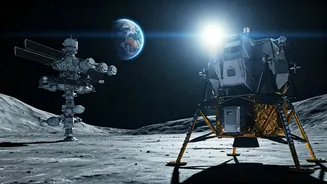
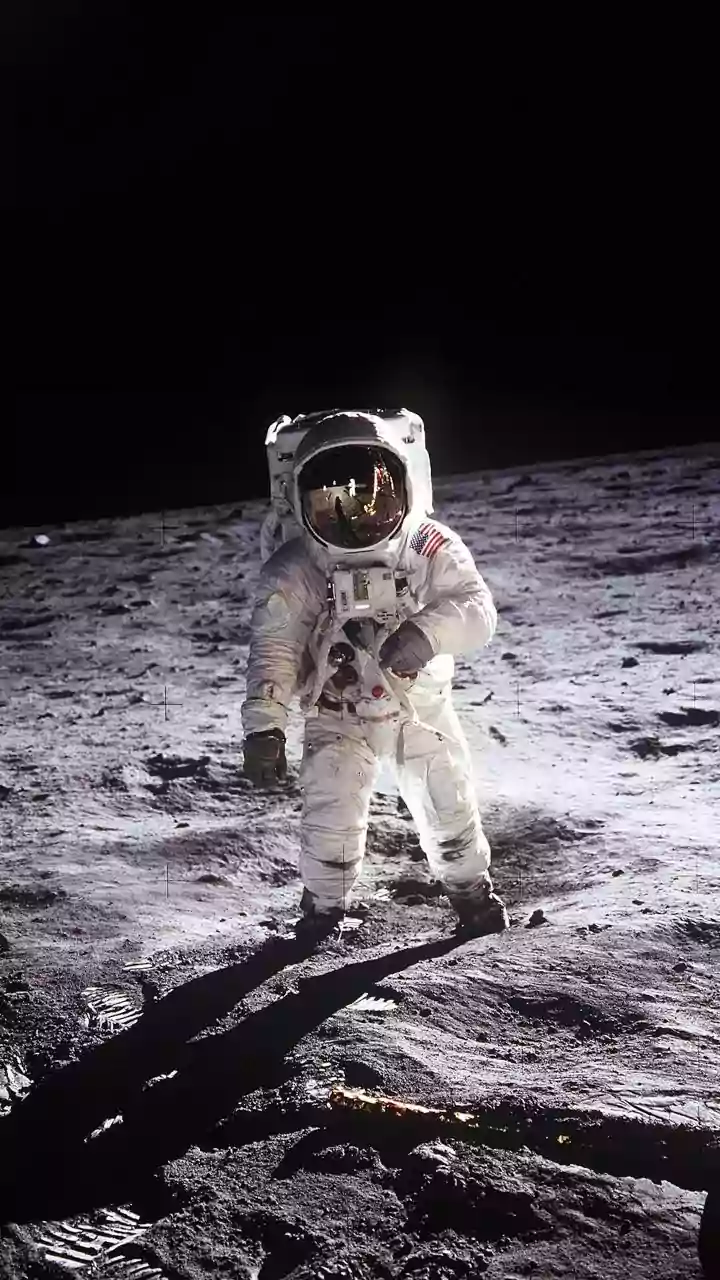
Government agencies like NASA haven't been sidelined; their role has evolved. NASA is now a key customer and partner, leveraging private innovation to achieve its own goals faster and more affordably. [28] Under programs like Commercial Crew and the Artemis moon missions, NASA buys services from companies like SpaceX and Blue Origin instead of owning and operating the hardware itself. [4, 16, 26] For the upcoming Artemis missions to the moon, SpaceX's Starship and Blue Origin's Blue Moon lander are contracted to carry astronauts and cargo to the lunar surface. [2, 26] This strategic shift allows NASA to focus on deep-space exploration and science while the private sector handles the logistics of getting to low-Earth orbit and the moon. [24, 28] This symbiotic relationship has been called "a radically new way to do it," yielding tremendous success for the U.S. space program. [28]
India's Private Space Sector Takes Flight
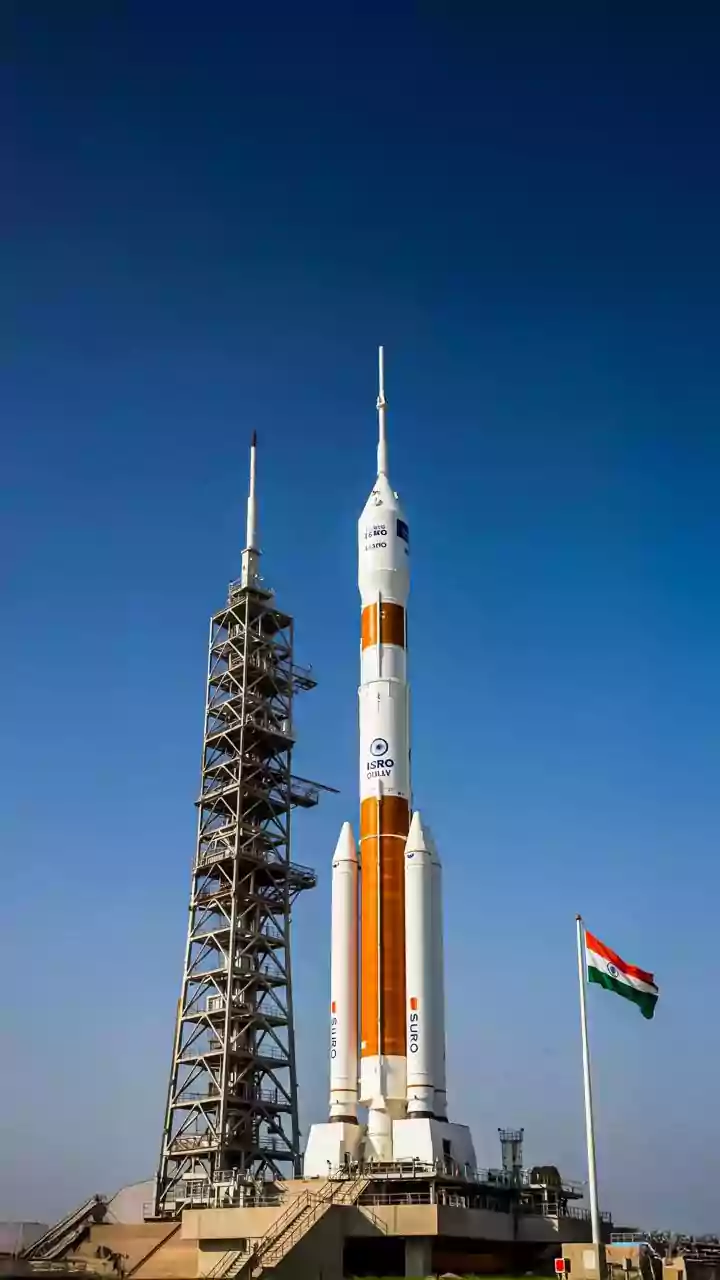
This trend is not limited to the United States. India's space sector is experiencing its own private-sector boom, spurred by the Indian Space Policy 2023. [14, 30] With over 250 registered space startups, the nation is fostering a vibrant ecosystem of innovation. [14] Companies like Skyroot Aerospace, which launched India's first private suborbital rocket, and Agnikul Cosmos, are developing their own launch vehicles. [9, 14] In a significant move to accelerate this growth, ISRO, through its commercial arm NSIL and regulator IN-SPACe, is transferring the technology for its workhorse PSLV rocket to private industry. [14, 27, 29] This will allow private firms to manufacture and operate the reliable launch vehicle, aiming to capture a larger share of the global launch market and positioning India as a key player in the commercial space age. [27, 29]
The Next Frontier: Commercial Space Stations
Perhaps the most telling sign of private leadership is the race to build commercial space stations. [15] With the International Space Station (ISS) scheduled for retirement around 2030, NASA is supporting multiple private ventures to create its replacement. [6, 11, 13] Companies like Vast, Axiom Space, and Sierra Space are developing their own orbital habitats. [6, 8, 9] Vast plans to launch its 'Haven-1' station as early as May 2026. [6, 8, 11] NASA's strategy is to transition from being a landlord in orbit to a tenant, buying research time and crew access from these commercial operators. [11, 13, 17] This will create a robust low-Earth orbit economy for science, manufacturing, and tourism, built and run by private enterprise. [11, 15]