






The Foundation: Master the Layers
Train carriage temperatures are notoriously unpredictable, fluctuating between overly warm and surprisingly chilly throughout the night. The key to comfort is wearing breathable, loose-fitting layers. Think soft cotton or merino wool tops, paired with
comfortable leggings or sweatpants. This allows you to easily add or remove clothing to adapt to the changing environment. Packing a light jacket, fleece, or a large scarf that can double as an extra blanket provides another level of warmth if the air conditioning is aggressive. Don't forget your feet; a pair of warm, comfortable socks can make a huge difference in how well you rest.
Block Out the World: Senses and Sleep
A moving train is a symphony of unfamiliar sounds and lights, from the rattle of the wheels to fellow passengers moving about. To create your own peaceful bubble, earplugs are non-negotiable for most travellers. Even if you're not a light sleeper, they can guard against unexpected noises that might disrupt your rest. An eye mask is equally essential to block out corridor lights or the early morning sun, signaling to your brain that it's time to sleep. For those especially sensitive to distractions, noise-canceling headphones playing white noise or calming music can be a powerful combination.
Peace of Mind: The Essentials Pouch
Sleeping in a shared or semi-public space requires a smart approach to security. A small, secure pouch or money belt worn on your person is the best way to keep your most important items safe while you sleep. This pouch should contain your absolute essentials: passport or ID, phone, wallet with cash and cards, and any necessary tickets. Knowing these valuables are physically with you eliminates anxiety and allows you to relax fully. For larger bags, consider using a small lock or a carabiner to secure your luggage to a fixed part of your bunk or a luggage rack, which can deter opportunistic theft.
Build Your Comfort Nest
Beyond the basics, a few extra items can transform a simple bunk into a cozy retreat. A travel pillow, especially a neck pillow, is crucial for providing support and preventing stiffness, whether you’re in a seat or a couchette. While bedding is often provided in sleeper cabins, a personal sleep sack or travel blanket can add a layer of familiar comfort and hygiene. Also, pack a pair of slip-on shoes or slippers for easy trips to the restroom without fumbling with your main footwear. These small comforts collectively make a significant difference over a long journey.
Refresh and Unwind: The Final Touches
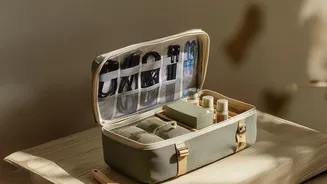
Your sleep kit should also include a small toiletry bag with the basics for feeling human in the morning. Include a toothbrush, toothpaste, face wipes, hand sanitizer, and lip balm. Cabin air can be very dry, so staying hydrated is key; bring a reusable water bottle you can fill before boarding. Finally, prepare for your pre-sleep wind-down. Having a book, an e-reader, or a device pre-loaded with podcasts or shows helps you transition into rest mode, just as you might at home. A power bank is also a wise addition to ensure your devices are charged for the day ahead.