
The New Festive Platter
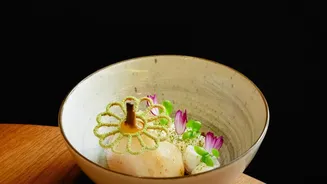
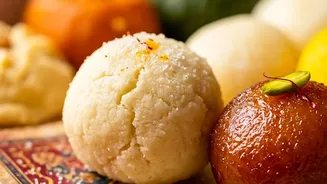
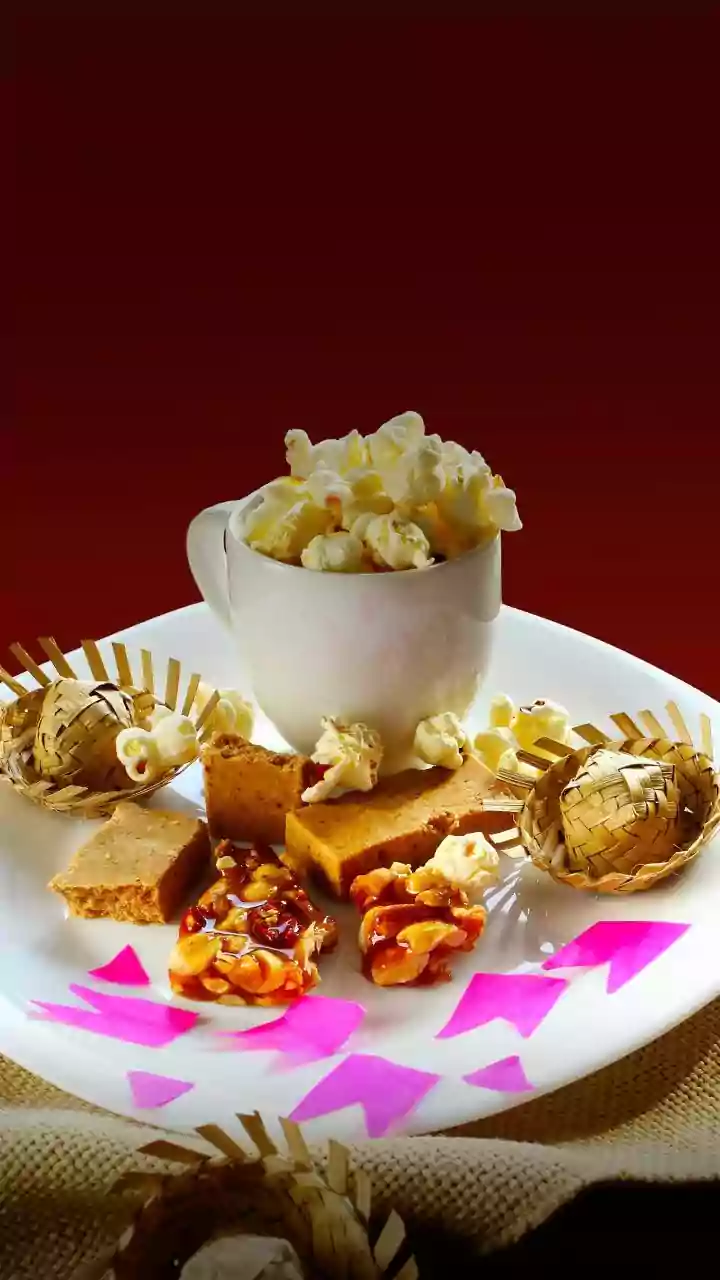
Across India, a new culinary movement is gathering steam, one that reinterprets the classics for a modern palate. This isn't about replacing grandmother's recipes but reimagining them. Think of a Dahi Bhalla presented as a delicate, savoury pastry, or a classic Gulab
Jamun deconstructed and layered in a glass with fruits and praline. Chefs are using techniques like sous-vide to create impossibly tender mutton curries and molecular gastronomy to craft chaat with surprising textures. The goal is to keep the soul of the dish intact while presenting it in a new and exciting form, balancing tradition with innovation.
Health-Conscious Indulgence
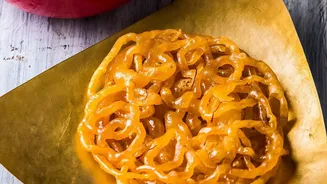
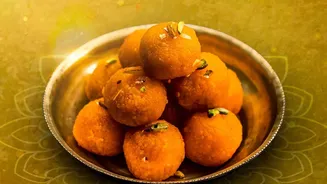
A significant driver of this trend is a growing desire for healthier options. Festive food, while delicious, is often associated with richness and heavy ingredients. Today, home cooks and chefs are finding clever ways to lighten up these dishes without sacrificing flavour. Gujiyas are being baked or air-fried instead of deep-fried, and laddoos are being made with nutrient-dense millets like ragi and jowar. Natural sweeteners like jaggery and dates are replacing refined sugar, and there's a greater emphasis on fresh, seasonal produce. This shift allows for indulgence that feels both satisfying and mindful.
The Social Media Effect
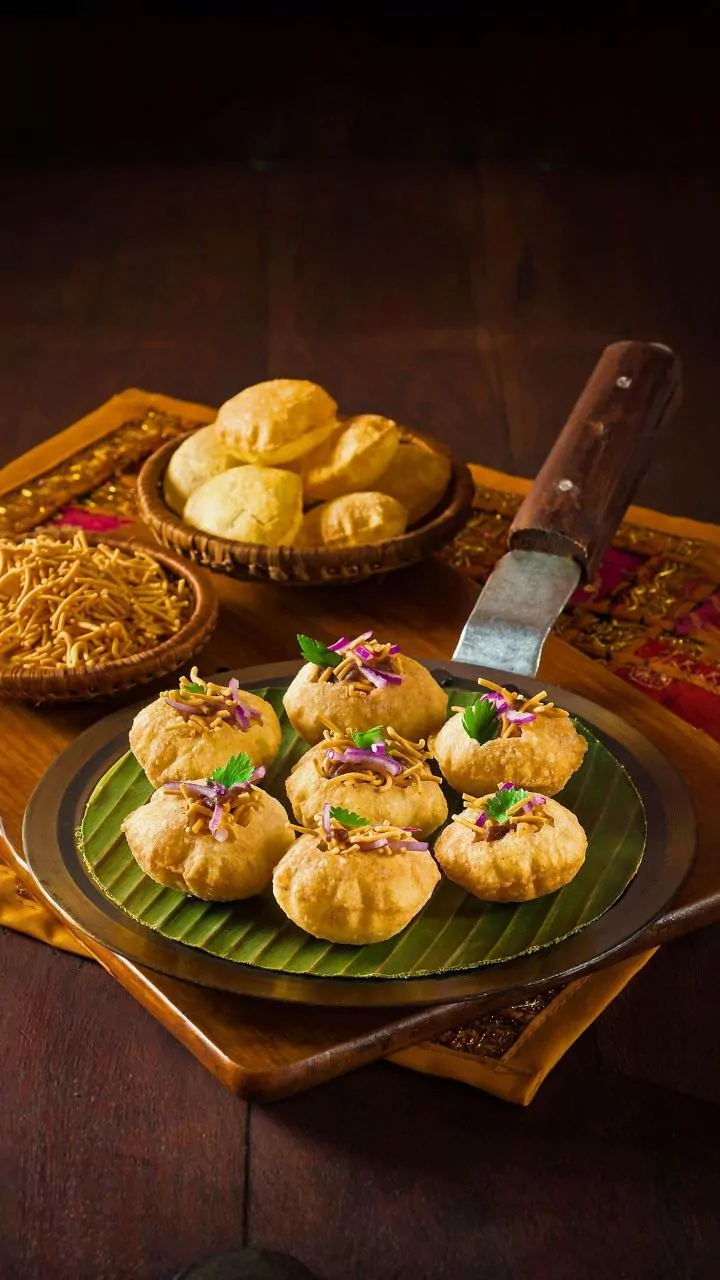
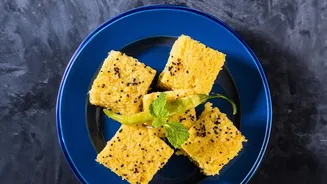
The visual appeal of food has never been more important, thanks largely to social media platforms like Instagram. The trend of beautifully plated, photogenic dishes has encouraged both professional chefs and home cooks to think more about presentation. This has fuelled creativity, leading to innovations like Reshmi Kebabs served with a cheese fondue or Khandvi reimagined as an open ravioli. Food bloggers and influencers play a huge role, not only in popularising these new creations but also in reviving interest in the diversity of India's regional cuisines. A well-captured image can introduce a forgotten dish from one part of the country to a whole new audience.
From Regional Roots to Global Stage
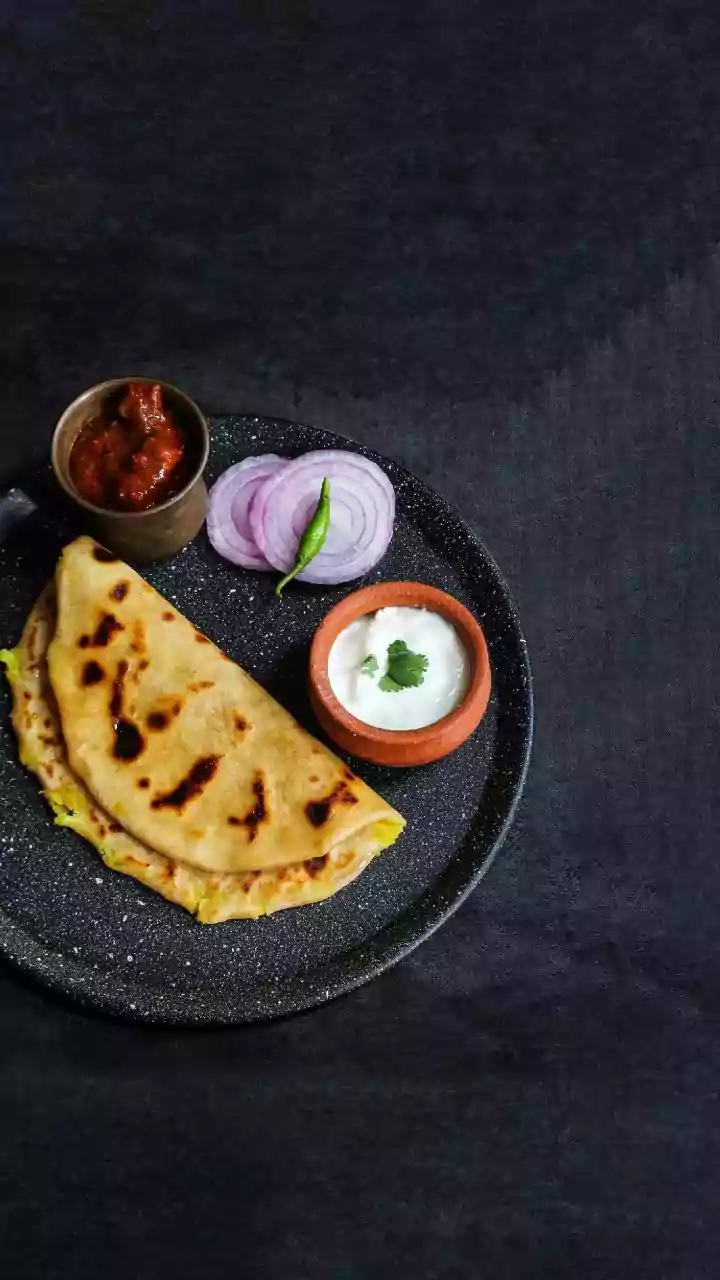
This culinary evolution is deeply rooted in regional pride. Chefs are moving away from generic "Indian" menus and diving into the specific flavours of particular states and communities. Ingredients like Bandel cheese from West Bengal or special chillies from Kashmir are becoming stars of the menu. This confidence in local ingredients means chefs no longer feel the need to "translate" dishes for a global audience. Instead, they are presenting authentic regional flavours in a contemporary format. Restaurants are spotlighting lesser-known cuisines, from the northeast to the coasts of Kerala, and finding an eager audience both in India and internationally.
A Creative Balancing Act
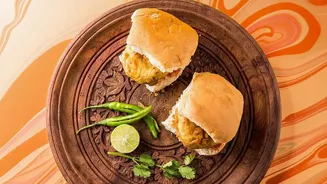
The challenge for modern cooks is to innovate without losing the essence of a dish. The most successful contemporary Indian food isn't about performative tricks like floating liquid nitrogen over chaat; it's about a deeper understanding of flavour. It's an approach that questions the 'why' behind a tradition before reinventing it. This might mean using modern techniques to solve age-old problems, like reducing the oiliness of a vada pav by creating a dehydrated 'potato soil' that carries the same flavour. It's a movement defined by confidence, creativity, and a deep respect for the rich tapestry of India's culinary heritage.