




What is Zone 2 Training?
Forget the 'no pain, no gain' mantra for a moment. Zone 2 training, often called 'conversational cardio', is all about exercising at a low to moderate intensity for a sustained period. It’s the effort level where you can comfortably hold a conversation.
The goal isn't to gasp for air but to maintain a steady heart rate, typically around 60-70% of your maximum, for 30 minutes or more. This approach moves away from high-intensity intervals and focuses on building a deep, resilient aerobic engine. It is beginner-friendly and less intimidating than high-intensity workouts, which reduces the risk of injury while building a fitness baseline.
The Science of Building a Better Engine
The magic of Zone 2 happens at a cellular level. Training in this zone primarily stimulates your Type 1 (slow-twitch) muscle fibres. It also enhances the function and number of your mitochondria, the tiny powerhouses in your cells responsible for generating energy. This makes your body incredibly efficient at using oxygen. Furthermore, Zone 2 training teaches your body to prefer fat as its primary fuel source over carbohydrates. Over time, this improves your metabolic flexibility, enhances endurance, and strengthens your entire cardiovascular system.
Why the Rowing Machine Is a Perfect Fit
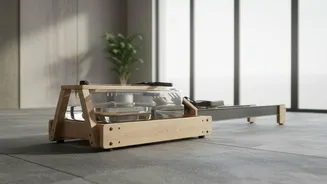
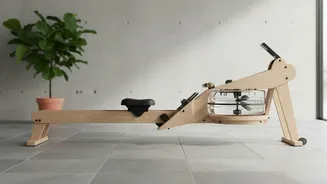
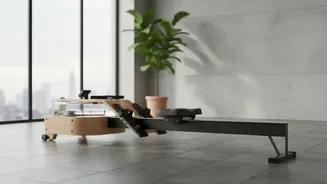
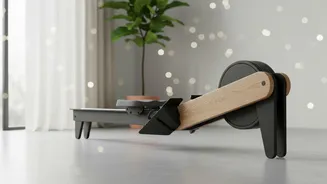
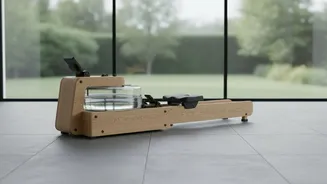
While you can do Zone 2 training with any cardio exercise, the rowing machine is a uniquely effective tool. It provides a full-body workout, engaging over 85% of your muscles across your legs, core, and upper body in a single, fluid motion. Critically for many urban gymgoers, rowing is exceptionally low-impact. Your feet are strapped in and your body is supported, meaning there is minimal stress on your joints—ankles, knees, and hips—compared to activities like running. This makes it a sustainable choice for people of all fitness levels and helps prevent the kind of repetitive stress injuries that can derail a fitness routine.
Finding Your Personal Zone 2
To start, you need to identify your Zone 2 heart rate range. The simplest, though less precise, method is the age-based formula: 220 minus your age gives you an estimated maximum heart rate (HRmax). Your Zone 2 is then 60-70% of that number. For a 35-year-old, the estimated HRmax is 185, making their Zone 2 approximately 111-130 beats per minute. A more low-tech method is the 'talk test': you should be able to speak in full sentences without gasping for breath. If you can only manage one or two words, you're working too hard. If you can sing, you need to increase the intensity slightly. A heart rate monitor is the most effective tool to ensure you stay in the zone.
Your First Zone 2 Rowing Workout
Ready to give it a try? Start with a five-minute gentle warm-up. Then, begin your main session, aiming for 30 minutes. Don’t focus on speed or power. Instead, focus on maintaining a consistent, rhythmic stroke and keeping your heart rate within your calculated Zone 2. It might feel surprisingly easy, and that's the point. The goal is duration at a low intensity, not a high-speed sprint. As your fitness improves over weeks, you can gradually increase the duration of your sessions to 45, 60, or even 90 minutes. Start with two to three sessions per week on non-consecutive days.
A Sustainable Habit for Urban Life
For the busy urban professional, the benefits extend beyond the gym. The rhythmic, steady nature of Zone 2 rowing can be meditative, helping to reduce stress and improve mental clarity after a demanding day. Unlike exhausting high-intensity sessions that can leave you drained, a Zone 2 workout energises you and promotes faster recovery. This makes it easier to stick with your routine long-term, building a robust foundation of health and fitness that supports, rather than competes with, your busy lifestyle.