


The Unsung Heroes of the Shoreline
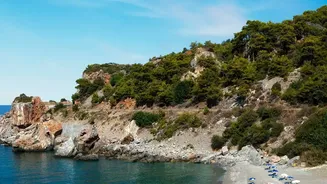
Along the coastlines of countless Greek islands, from the Cyclades to Crete, you will find them. With their gnarled, resilient trunks and wispy, cedar-like foliage, tamarisk trees, known locally as 'almyriki', are a quintessential part of the summer landscape.
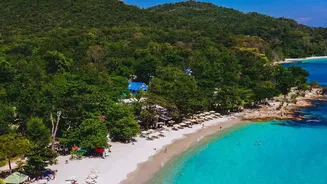
They often line the backs of sandy coves and pebble beaches, their branches reaching out over the shore, offering a natural respite from the brilliant Mediterranean sun. For many, the most coveted spot on the beach is not one on a rented sunbed, but in the cool, filtered light beneath a tamarisk. It is here, with the sound of cicadas buzzing in their branches, that the true feeling of a peaceful Greek summer can be found.
A Tree Built for the Coast
What makes the tamarisk so perfectly suited to this environment is its incredible hardiness. These trees are halophytes, meaning they are tolerant of high levels of salt in both the soil and air. Several species, such as Tamarix nilotica and Tamarix smyrnensis, are native to the region and thrive in conditions that would stunt or kill other plants. They possess deep root systems that search for water and have the unique ability to excrete excess salt through glands on their leaves. This exceptional adaptation allows them to create a line of greenery right where the land meets the sea, standing as steadfast, natural windbreaks against the coastal breezes.
An Oasis of Natural Comfort
The shade from a tamarisk tree is unlike that of a dense forest or a solid umbrella. Its fine, feathery leaves filter the sunlight, creating a soft, dappled effect that feels both cool and airy. It’s a living canopy that breathes with the sea breeze, providing just enough protection to read a book or enjoy a leisurely lunch at a beachside taverna without completely blocking out the bright, seaside atmosphere. This natural comfort is so cherished that some hotels and villas even highlight the presence of a large tamarisk tree as a key feature, building seating areas beneath its branches for guests to enjoy. It’s a simple luxury that defines the relaxed pace of island life, what Greeks might call 'halara'.
More Than Just a Pretty View
Beyond their beauty and shade-giving properties, tamarisk trees play a vital ecological role. Their extensive and deep root systems are crucial for stabilising the sandy soil of beaches and coastal dunes, helping to prevent erosion from wind and waves. This makes them silent guardians of the coastline, preserving the very beaches they adorn. Furthermore, their dense foliage provides a valuable habitat, offering shelter for birds and other small wildlife. The small, delicate pink or white flowers that bloom in clusters during spring and summer also attract pollinators like bees and butterflies, contributing to the local biodiversity.
Where to Find These Shady Havens
While tamarisk trees grace the shores across Greece, certain islands are particularly known for their beautiful, tree-lined beaches. In the Cyclades, islands like Paros, Antiparos, Naxos, and Milos feature numerous coves where tamarisks provide the primary source of shade. On Crete, the largest Greek island, you can find them along many stretches of its vast coastline, from the famous shores near Agios Nikolaos to the quieter beaches of the south. Whether you are on Rhodes in the Dodecanese or exploring the Peloponnese mainland, the sight of a hardy tamarisk is a welcome sign that a peaceful, shaded spot by the water is near.