







From Masala Chai to Matcha Lattes
For decades, the Indian café experience was defined by a familiar set of choices: a robust coffee, a comforting masala chai, or perhaps a sugary cold coffee. Today, however, a new wave of beverages is taking over the menu boards in urban centres from
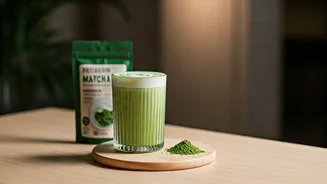
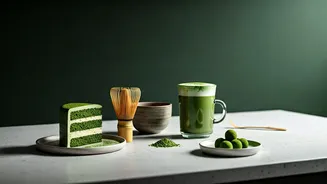
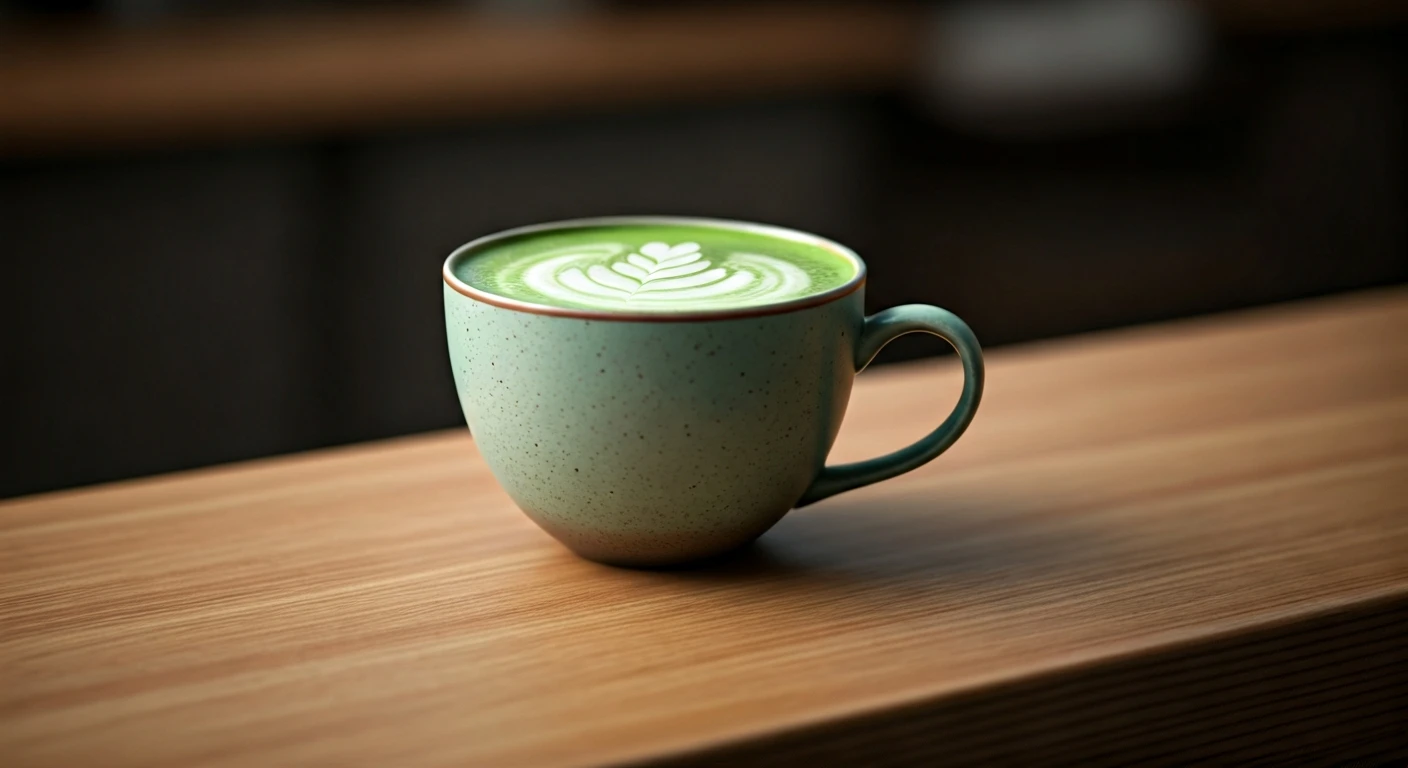
Bengaluru to Mumbai. [12] Cafes are now offering everything from vibrant green matcha lattes and fermented kombuchas to drinks infused with traditional Ayurvedic herbs. [12, 15] This evolution signals a significant change, where the purpose of a cafe visit is expanding from a simple caffeine fix to a more holistic, wellness-oriented experience. [25] Customers who once came for a pour-over are now staying for an ashwagandha-infused cold brew, indicating that wellness is no longer a niche interest but a mainstream expectation. [12]
An Ancient Tradition, Reimagined for Today
What makes this trend particularly potent in India is its deep connection to cultural roots. Many of these “new” wellness drinks are modern, beautifully packaged versions of age-old home remedies. [21] The turmeric latte, for instance, is a stylish rebranding of 'haldi doodh', a staple in Indian households for generations, known for its immune-boosting properties. [11, 21] Similarly, cafes are now creating sophisticated concoctions with ingredients like tulsi (holy basil), amla (Indian gooseberry), and brahmi, all of which have a long history in Ayurveda. [2, 12] This movement represents a reclamation of Indian heritage, where younger generations are rediscovering the wisdom their grandparents swore by, now validated and presented in a contemporary, aspirational format. [12]
The Business of Feeling Good
For cafe owners, this pivot towards wellness is a savvy business decision. The functional beverages market in India is experiencing explosive growth, with projections showing its value reaching USD 18.8 Billion by 2034. [4] This growth is fuelled by an increasingly health-conscious consumer base, especially among Gen Z and millennials, who are seeking products that align with their lifestyle goals. [3, 14] These wellness sips often command higher profit margins than traditional drinks. [27] By offering unique, health-focused beverages, cafes can differentiate themselves in a crowded market, attract a discerning clientele, and cater to a growing demand for products that offer benefits beyond basic refreshment. [3] It’s a classic win-win: consumers get drinks that make them feel good, and cafes boost their bottom line.
Decoding the Wellness Ingredients
At the heart of this trend are powerful, nutrient-dense ingredients, many drawn from Ayurveda's extensive pharmacopoeia. Ashwagandha, an adaptogen, is being added to drinks for its stress-relieving properties. [6, 11] Turmeric is celebrated for its anti-inflammatory and antioxidant benefits. [9] Moringa, packed with vitamins, is featured in green, energising blends, while hibiscus and rose find their way into calming, floral teas. [2, 12] Fermented drinks like kombucha are gaining popularity for their probiotic content and gut health benefits. [15] These ingredients are thoughtfully integrated into drinks, creating beverages that are not just flavourful but also functional, designed to offer benefits like enhanced focus, relaxation, or an immunity boost. [3, 12]