





The End of the Sabudana Monopoly
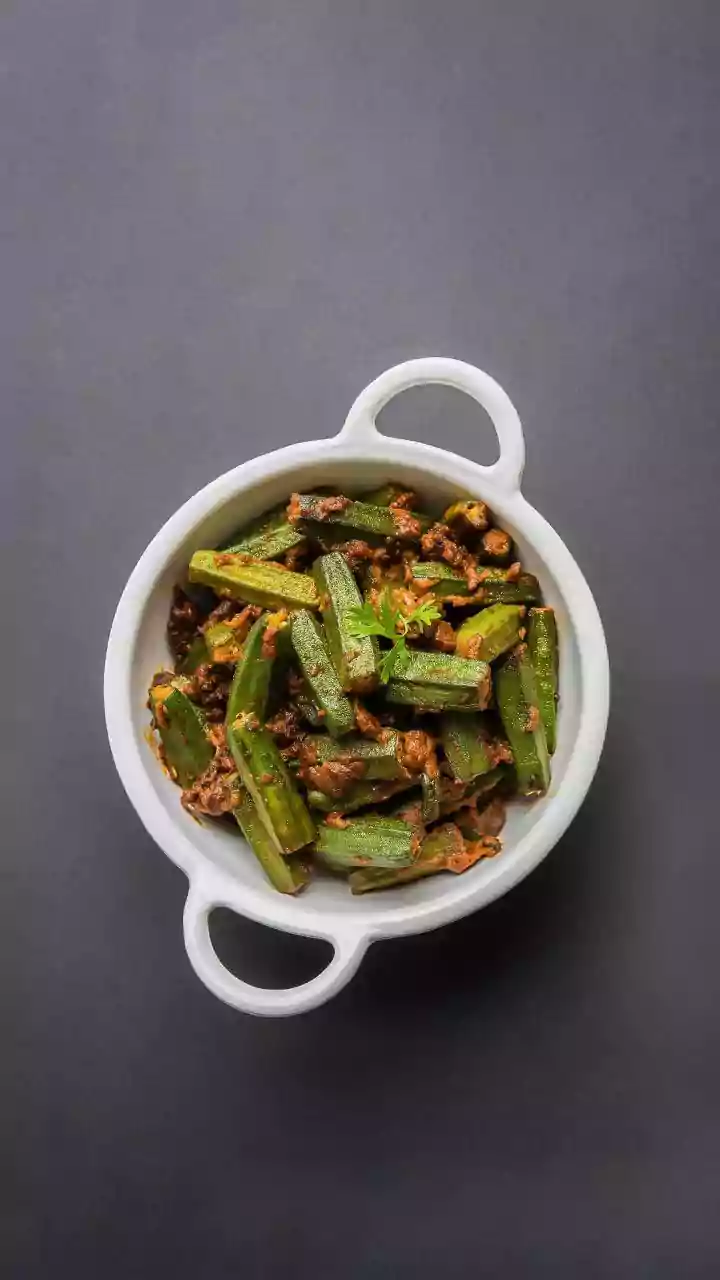
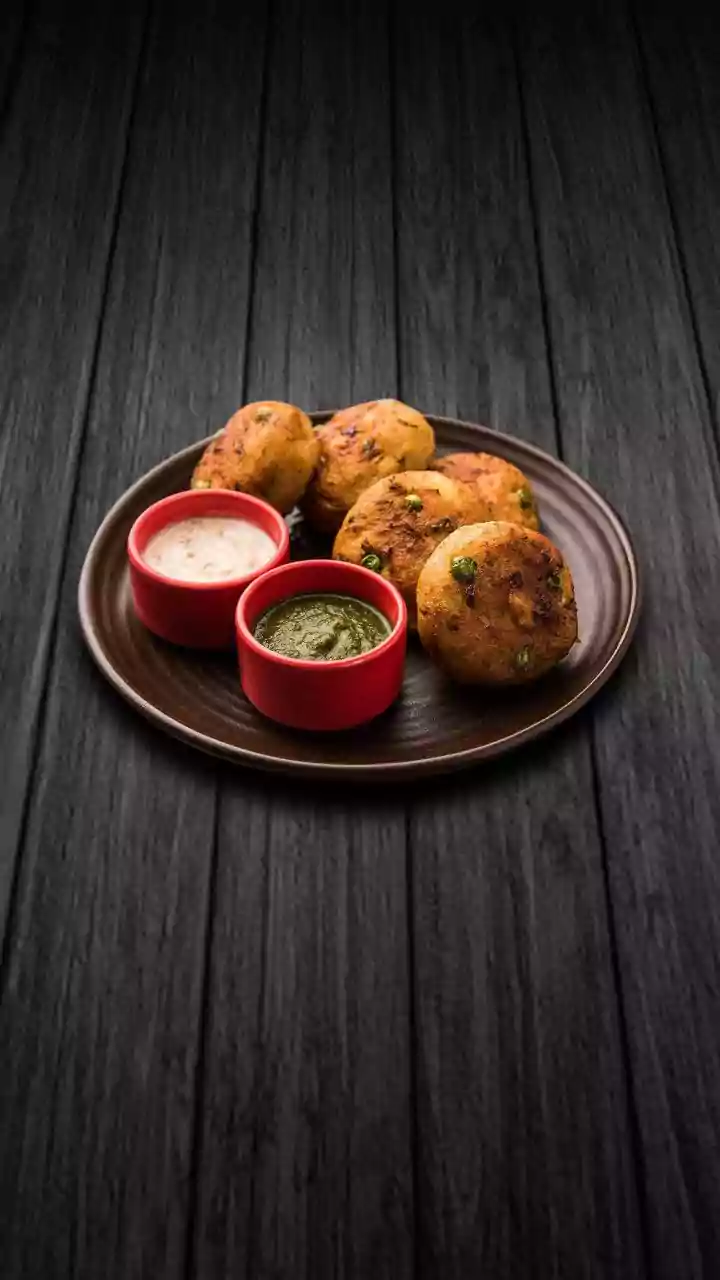
Let’s be honest. For many, the thought of 'vrat ka khana' conjures a very specific, and often limited, menu. It’s a world dominated by sabudana khichdi, kuttu ki poori, and aloo ki sabzi. While these dishes are comforting and steeped in tradition, they
can also feel repetitive, especially during longer fasting periods like Navratri. This culinary predictability has long been an accepted part of observing fasts. It was simply the way things were done—a test of discipline that extended to the palate. But a quiet and delicious rebellion is underway. A new generation of home cooks, food bloggers, and professional chefs is refusing to accept that fasting food must be bland or monotonous. They are pushing the boundaries of what's possible within the strict dietary rules of fasting, proving that adherence to tradition doesn’t have to mean a sacrifice of flavour or creativity.
From Tradition to Trendsetting
What’s driving this change? A major factor is the fusion of modern culinary curiosity with deep-rooted traditions. Millennials and Gen Z, who grew up watching global food shows and scrolling through endless Instagram food feeds, are now applying that worldly inspiration to their own kitchens. They want to participate in rituals like fasting but in a way that feels authentic and enjoyable to them. The question is no longer just 'What can I eat?' but 'How can I make what I eat exciting?' Social media has acted as a powerful catalyst. A quick search for #NavratriRecipes or #VratFood on Instagram reveals a colourful explosion of innovation. You’ll find beautifully plated samak rice risottos, sweet potato tikkis served with avocado-mint chutney, and sabudana vadas shaped like doughnuts. This online sharing culture has created a community of culinary experimenters who inspire each other to reinvent the classics, turning fasting from a period of restriction into an opportunity for creative cooking.
What's on the New Vrat Menu?
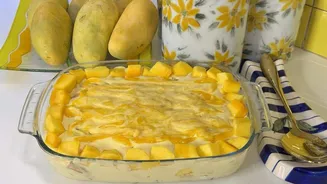
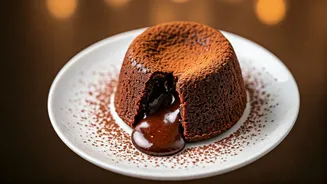
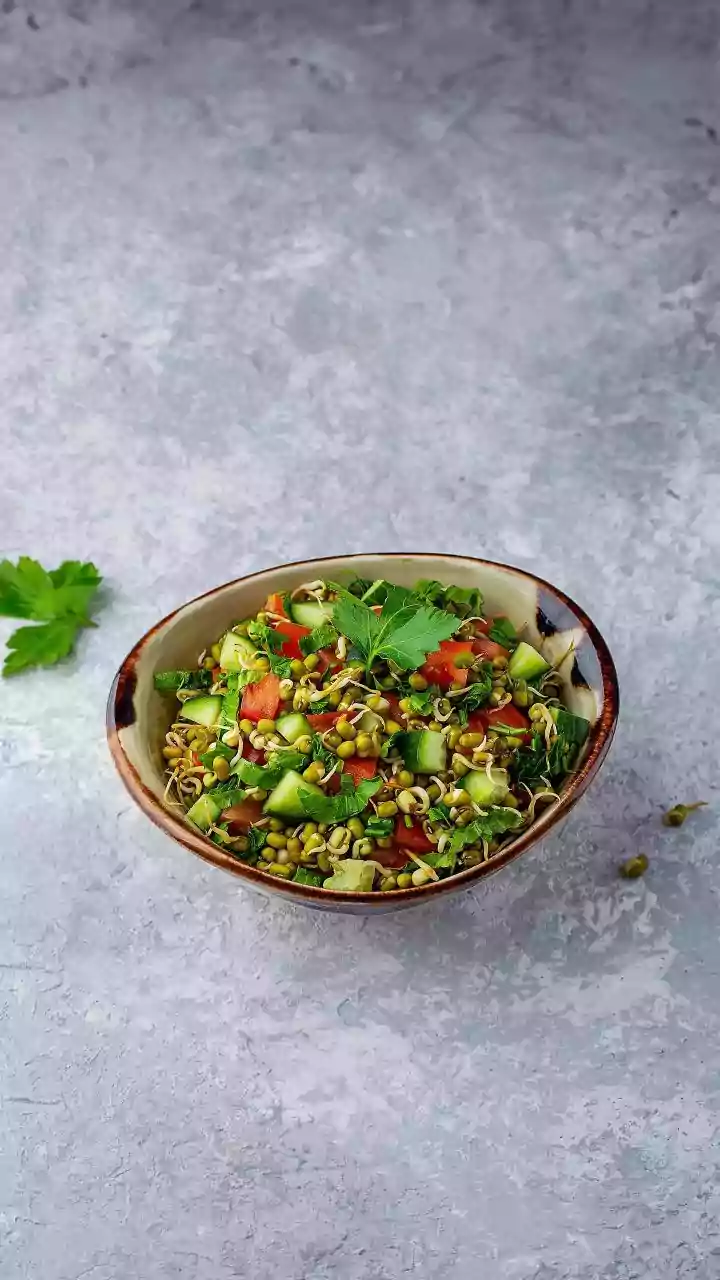
The innovation isn't about breaking the rules, but creatively reinterpreting them. The core ingredients—sendha namak (rock salt), buckwheat (kuttu), water chestnut flour (singhara), amaranth (rajgira), barnyard millet (samak), and a host of vegetables and fruits—remain the same. The magic is in the method and the presentation. Think of a pizza with a base made from kuttu or rajgira flour, topped with paneer, tomatoes, and herbs. Or imagine tacos where the shells are crafted from singhare ka atta and filled with a spicy potato and paneer mixture. We're seeing samak ke chawal (barnyard millet) being used to make creamy risottos and even sushi rolls. Sweet potatoes are being turned into loaded fries with vrat-friendly toppings, while pumpkin is being transformed into rich, velvety soups. Even desserts are getting a makeover, with makhana (fox nuts) kheer infused with saffron and cardamom, and fruit sorbets offering a refreshing alternative to heavy sweets.
Chefs and Restaurants Join In
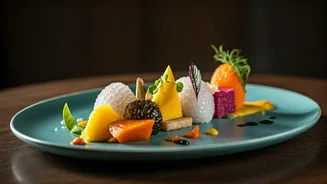
This trend isn't confined to home kitchens. Restaurants across the country have recognised the demand for more sophisticated fasting fare. During Navratri and other festive seasons, many fine-dining and casual eateries now offer special 'vrat thalis' that go far beyond the basics. These curated menus feature multi-course meals that are both compliant with fasting norms and gastronomically delightful. You might find a thali featuring Kuttu Papdi Chaat, Banana Kofta Curry, and Samak Pulao, all prepared with the finesse of a professional kitchen. These offerings cater not only to those observing the fast but also to their family and friends who want to dine out with them without compromising on the experience. Food delivery platforms have also played a role, making these innovative vrat meals accessible to a wider audience, delivering a taste of this culinary revolution right to their doorstep.