







The Science of Cooling Down
Your body is a remarkable machine with a built-in cooling system: sweating. When you exercise, your muscles generate a significant amount of heat. To prevent overheating, your brain signals millions of sweat glands to release moisture onto your skin.
The magic, however, isn't in the sweat itself, but in its evaporation. As sweat turns from a liquid to a gas, it pulls heat away from your body, effectively lowering your skin and core temperature. This process works beautifully in dry conditions, allowing you to regulate your temperature efficiently.
Humidity: The Great Evaporation Blocker
The problem arrives with the monsoon's high humidity. Humidity is the measure of water vapour already present in the air. When the air is saturated with moisture, as it is during peak monsoon, there's very little room for your sweat to go. Think of the air as a saturated sponge; it simply can't absorb any more water. As a result, sweat evaporation slows down dramatically or stops altogether. The sweat just pools on your skin, dripping off without providing its intended cooling effect.
Your Body on Overdrive
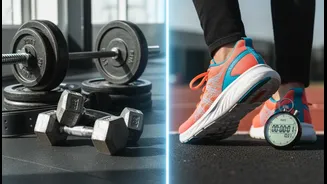
With its primary cooling method compromised, your body has to work much harder. Your core temperature begins to rise, and your cardiovascular system goes into overdrive to compensate. The heart starts pumping more blood to the skin's surface in a desperate attempt to release heat. This means your heart rate increases significantly even at a lower workout intensity compared to a dry day. You're essentially asking your heart to do two jobs at once: power your muscles for the workout and manage a growing thermal crisis. This increased strain is why the same set of weights or 30 minutes on the treadmill feels twice as exhausting.
The Indoor Gym Isn't Always a Safe Haven
You might think an air-conditioned gym would be the perfect escape, but that's not always the case. Gyms, especially crowded ones, can become micro-climates of high humidity. Dozens of people working out are all producing heat and sweating, releasing a huge amount of moisture into the air. If the gym's ventilation and air-conditioning systems aren't powerful enough to effectively dehumidify the space, you could be exercising in an environment that is just as challenging as the outdoors. This is particularly true in poorly ventilated studios or weight rooms.
The Dangers of Dehydration and Heat Illness
A common mistake is thinking that because you're dripping with sweat, you must be well-hydrated. In reality, you are losing large amounts of fluid and crucial electrolytes, but without the benefit of cooling. This puts you at a much higher risk of dehydration. Dehydration thickens the blood, putting even more strain on the heart and impairing performance further. It's crucial to watch for early signs of heat-related illness, such as dizziness, headache, nausea, extreme fatigue, or muscle cramps. These are signals from your body that it's time to stop, cool down, and rehydrate immediately.
How to Adapt Your Monsoon Workouts
The solution isn't to stop exercising, but to adjust your approach. First and foremost, hydrate relentlessly. Drink water before, during, and after your workout, even if you don't feel thirsty. Consider adding an electrolyte drink if your session is long or intense. Secondly, listen to your body and reduce your intensity. The monsoon is not the time to chase personal bests. Focus on form and consistency over speed or power. Wear lightweight, loose-fitting, and moisture-wicking clothing to help any possible evaporation. Finally, choose your timing and activity wisely. Early mornings or late evenings might be slightly less humid. You could also incorporate more flexibility and strength training, which are less demanding on the cardiovascular system than high-intensity cardio.