



The Myth of the Magic Bullet
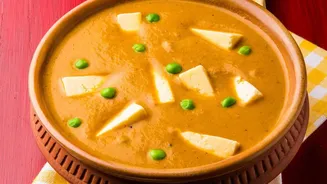
It's a common belief: drink more milk, eat more paneer, and your calcium needs are sorted. While calcium is undeniably vital for strong bones, teeth, and proper muscle function, treating any single food as a cure-all is a fundamental mistake. This 'magic
bullet' approach overlooks a critical fact of nutrition: foods and nutrients do not work in isolation. A diet is a complex system, and true health comes from the overall pattern of what you eat, not from hyper-focusing on one element. Relying on one source, no matter how rich, can create a false sense of security while leaving significant nutritional gaps elsewhere. A diet that is otherwise limited in variety will still be a limited diet, even with plenty of calcium from a single source.
Nutrient Synergy: The Body's Team Players
Think of building strong bones like constructing a building. Calcium is the bricks, but you also need cement, scaffolding, and a skilled crew to put it all together. In your body, other nutrients are that essential crew. Vitamin D is the most famous partner, acting as a gatekeeper that allows your body to absorb calcium from your food effectively. Without enough Vitamin D, which many people in India are deficient in, the calcium you consume may not be properly used. But the team doesn't stop there. Magnesium plays a crucial role by helping to activate Vitamin D and ensuring calcium is directed to your bones instead of soft tissues. Vitamin K2 also helps guide calcium into the bone matrix. A diet focused only on a single high-calcium food will likely be deficient in these critical partners, rendering the extra calcium less effective.
What is a 'Limited Diet'?
A limited diet isn't just about not eating enough; it's about not eating enough variety. It could be a diet that relies heavily on a few staple grains and avoids vegetables, or one that includes plenty of dairy but is low in dals, legumes, and nuts. This lack of variety leads to micronutrient inadequacy, where you might be getting enough calories but missing out on essential vitamins and minerals that protect against chronic disease, boost immunity, and maintain energy levels. Signs of a limited diet can be subtle, such as fatigue, poor concentration, or getting sick often. Over time, such a diet can contribute to serious health issues, proving that you can be overfed in calories but undernourished in essential nutrients.
Building a Truly Balanced Indian Diet
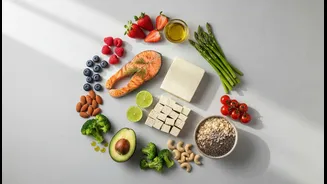
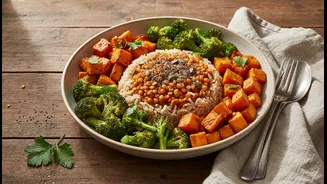
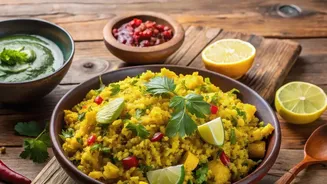
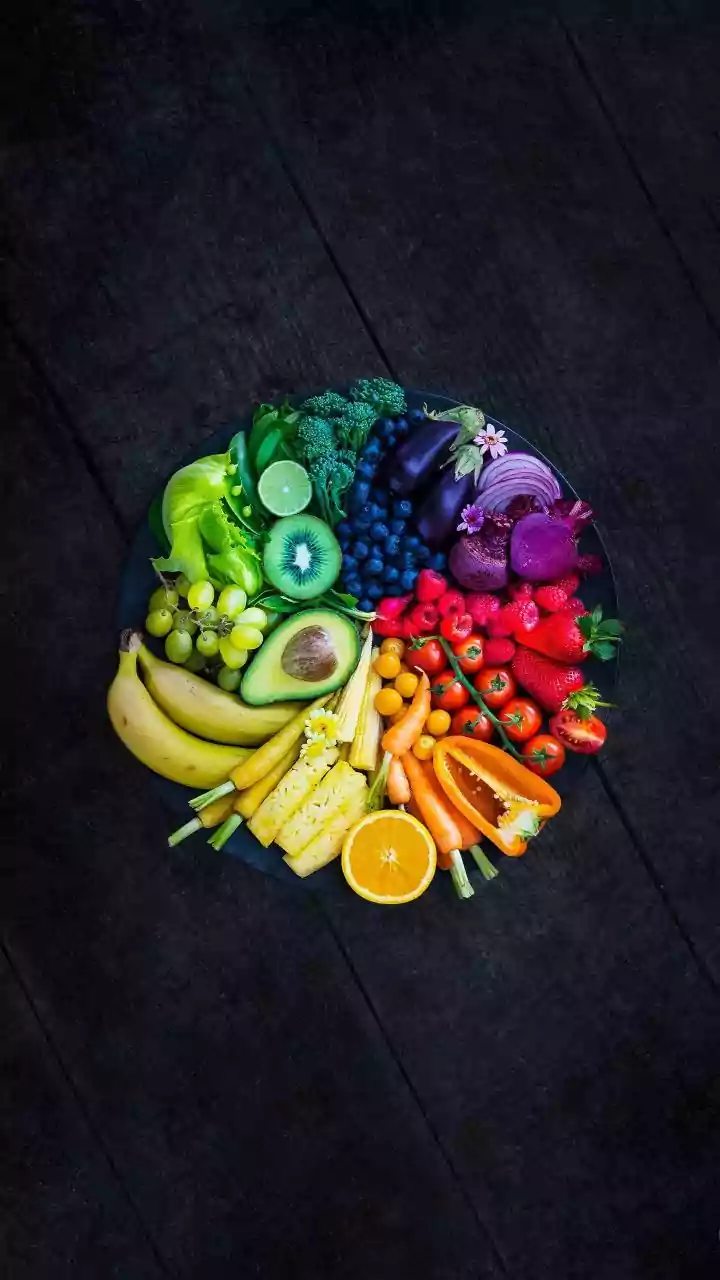
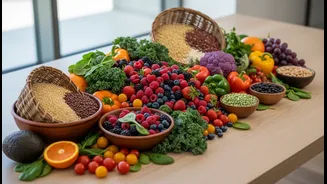
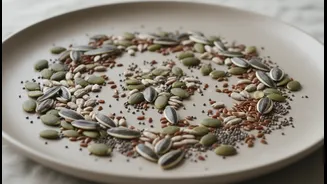
The good news is that a traditional Indian diet is naturally positioned to be incredibly diverse and nutrient-rich. A holistic approach means looking beyond just one food group. For strong bones and overall health, your plate should be a colourful mosaic. Instead of only milk, think of the entire ecosystem of calcium and its helpers. Include dairy like milk, curd (dahi), and paneer. But also embrace other powerful sources like ragi, which has more calcium than milk, sesame seeds (til), and legumes like chickpeas (chana) and kidney beans (rajma). Don't forget leafy greens like amaranth and drumstick leaves. Pairing these foods ensures you get not just calcium, but also the magnesium, potassium, and other vitamins needed for a truly resilient body. The goal is to consume a wide variety of whole foods, creating a symphony of nutrients that work together.