
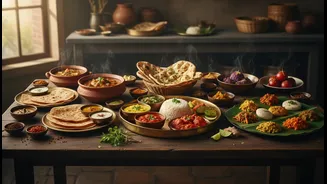


The Rise of Regional Pride
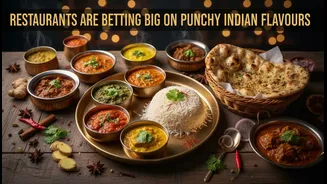
For years, restaurant menus in major Indian cities felt strikingly similar, dominated by a standard rotation of Punjabi dishes like butter chicken and dal makhani. Today, that landscape is undergoing a delicious revolution. There's a powerful shift away
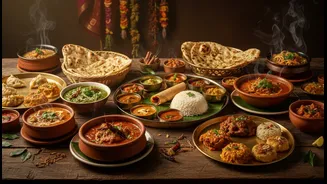
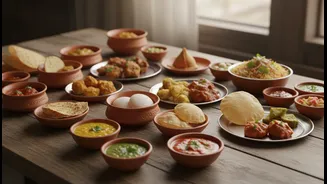
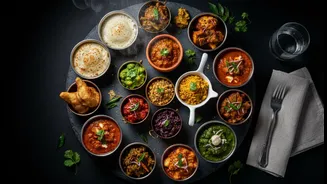
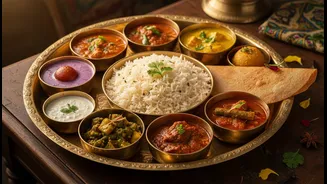
from generic 'Indian food' towards hyper-regional specialities. Diners are now actively seeking out the distinct flavours of cuisines from Kerala, Nagaland, Bengal, and Kashmir. This trend is driven by a renewed sense of cultural pride and nostalgia, as people living in metros long for the authentic, home-style meals of their childhood. Social media and food bloggers have also played a huge role, introducing urban audiences to once-obscure dishes like Naga smoked pork, Himachali siddu, and Rajasthani millet-based foods, creating a nationwide curiosity for flavours beyond the mainstream.
From Farm to Table, with a Story
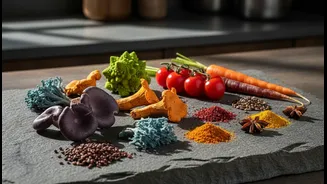
The new luxury in Indian dining isn't an imported ingredient; it's a specific heirloom grain from a small farm in Chhattisgarh or foraged produce from the Himalayas. The farm-to-table movement is gaining serious momentum, with a growing number of restaurants prioritising direct relationships with local farmers and artisans. This isn't just about freshness; it's about transparency and storytelling. Chefs are building their menus around seasonal, organic produce, celebrating the 'biography' of each ingredient. Restaurants like Masque in Mumbai and Naar in Kasauli are pioneering this approach, crafting tasting menus that connect diners to the land and its heritage. This conscious consumption model supports local economies, reduces carbon footprints, and offers a dining experience rooted in sustainability and authenticity.
Modern Techniques, Traditional Soul
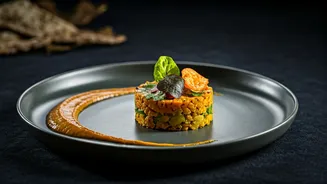
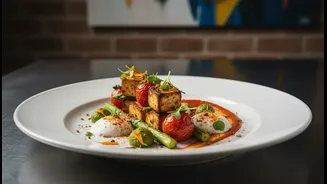
The era of gimmicky, performative 'modern Indian' food, with its unnecessary foams and liquid nitrogen theatrics, is fading. In its place, a more confident and purposeful approach is emerging. Chefs are using contemporary global techniques not to dilute, but to enhance traditional flavours. Think of a classic mutton curry, slow-cooked for 48 hours using a sous-vide technique to achieve an incredibly tender texture while preserving the nostalgic taste of the masala. This thoughtful fusion is about structural reimagining, where molecular gastronomy might be used to solve a problem, like creating a less oily version of a vada pav by using dehydration. This new wave of chefs, acting as 'culinary curators', is reinventing Indian food with a deep respect for its roots, proving that innovation and tradition can beautifully coexist.
An Experience for All Senses
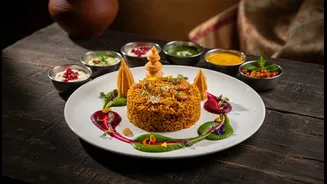
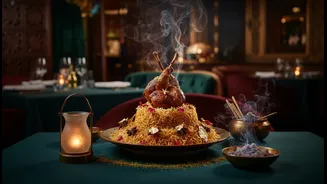
Going out to eat is no longer just about the food on the plate; it's about the entire experience. Indian diners, especially millennials and Gen Z, are seeking immersive, memorable, and 'Instagrammable' moments. Restaurants are responding by transforming meals into multi-sensory journeys. This can range from elaborate tasting menus where each course tells part of a larger story, to restaurants with open kitchens and live cooking stations that add a theatrical element to the evening. Some establishments, like Indian Accent in New Delhi, have perfected the art of creating a sophisticated ambience where the decor, service, and inventive plating all contribute to a narrative-driven dining event. This shift towards experiential dining signifies that a meal out is now a destination event, designed to engage, entertain, and leave a lasting impression.