

The Journey Becomes the Destination
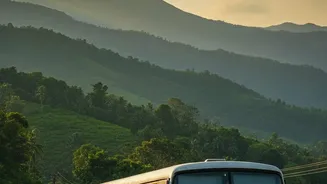
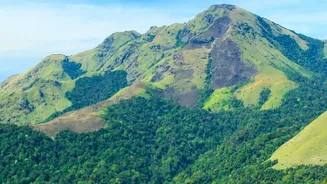
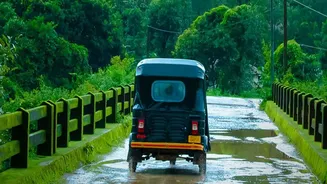
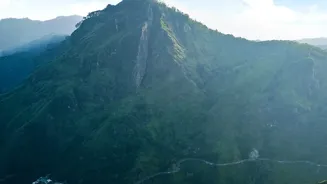
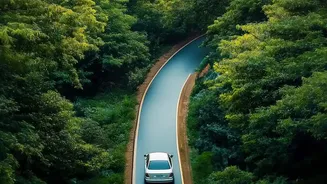
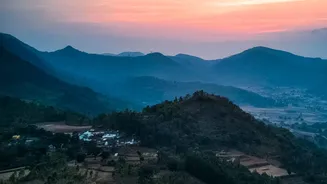
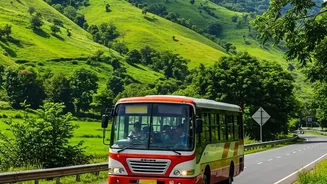
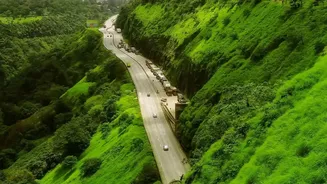
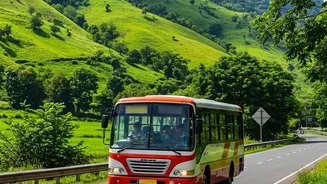
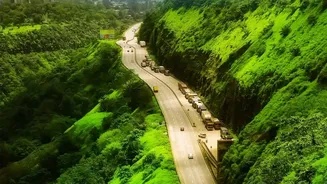
A road trip through the Western Ghats is an experience where the drive itself is the main attraction. Spanning roughly 1,600 kilometres along India's western coast, this mountain range is a tapestry of evergreen forests, shola grasslands, roaring waterfalls,
and sprawling tea and coffee plantations. Routes like the hairpin-heavy ascent from Pollachi to Valparai, the wild Chorla Ghat connecting Goa and Karnataka, or the plantation-rich drive from Munnar to Udumalpet showcase the incredible diversity of this ecological wonder. For travellers, these journeys offer a chance to slow down and immerse themselves in a landscape that changes with every turn. But beyond the scenic beauty, a different kind of journey is unfolding—one that connects the traveller directly to the preservation of this unique environment.
From Tourism to Meaningful Exchange
The rise of ecotourism has transformed how we can interact with sensitive environments like the Western Ghats. It's a strategic shift away from mass tourism toward a model that prioritises conservation and community welfare. Responsible tourism here is not just a buzzword; it’s a functional framework. It involves choosing tour operators and accommodations that are genuinely committed to low-impact design, using solar power, harvesting rainwater, and eliminating plastic. Many of the region's best eco-lodges and tour providers build their experiences around respecting the landscape, not reshaping it. This conscious approach ensures that the revenue generated by tourism acts as a lifeline, funding crucial conservation work and providing sustainable livelihoods.
Fuelling Direct Conservation Action
When travellers choose responsible driving expeditions, their spending directly supports the protection of one of the world's most significant biodiversity hotspots. Park entry fees, safari charges, and payments for guided treks provide vital funds for forest departments. This money helps pay the salaries of wildlife rangers, supports anti-poaching patrols, and finances habitat restoration projects. For example, tourism revenue from places like Periyar National Park is essential for its conservation activities. These funds help protect iconic and threatened species, including Asian elephants, tigers, and the endemic Nilgiri Tahr. By creating an economic incentive to protect nature, ecotourism turns pristine habitats into a valuable asset worth preserving for the long term.
Empowering Local and Indigenous Communities
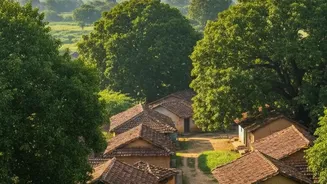
Sustainable tourism provides an alternative livelihood for the many communities that call the Western Ghats home, reducing their dependence on potentially destructive practices. Instead of finding work in mining or logging, locals can become guides, run homestays, or sell traditional handicrafts. This community-based model fosters a powerful sense of ownership over the region's natural heritage. In places like Wayanad, indigenous communities lead heritage walks, sharing their deep knowledge of the forest with visitors. This not only provides them with a stable income but also helps preserve their cultural traditions. The income from tourism funds schools and health clinics, benefiting the entire community and ensuring that the people who have stewarded these lands for generations are the primary beneficiaries of its preservation.
How to Be a Responsible Traveller
Making your scenic drive a force for good requires conscious choices. Start by researching and selecting tour operators and accommodations with transparent sustainability policies. Look for properties that employ local staff, source local produce, and are built to integrate with the natural environment. While on your journey, hire local guides to gain a deeper appreciation of the ecosystem. Purchase authentic, locally made souvenirs and foods to ensure your money flows directly into the community. Respect wildlife by observing from a distance and never disrupting natural behaviours. By travelling with an awareness of your impact, you move from being a mere tourist to becoming a partner in the conservation and sustainable development of this irreplaceable landscape.