
The Sun's 11-Year Rhythm
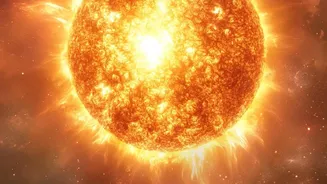
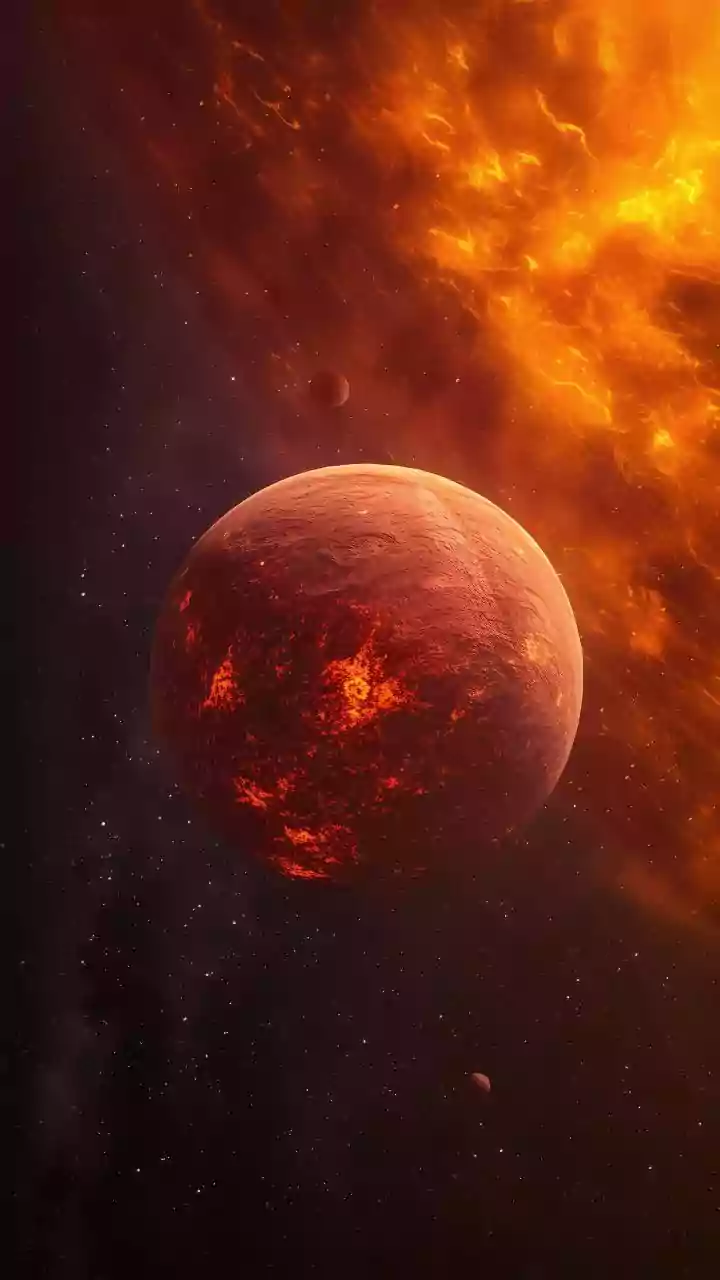
The sun operates on an approximately 11-year cycle, swinging between periods of calm and intense activity. The peak of this activity is called the solar maximum. During this phase, the sun’s magnetic field, which is normally somewhat orderly, becomes
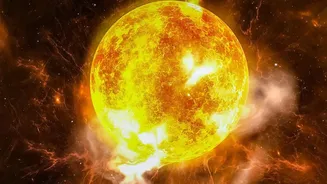
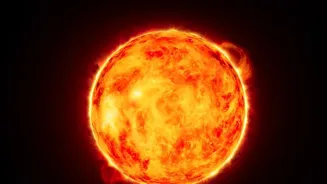
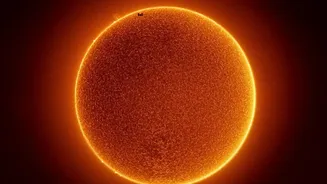
tangled and chaotic. This magnetic turmoil leads to an increase in sunspots—dark, cooler areas on the solar surface that are hotspots of intense magnetic energy. Think of it as the sun's 'stormy season'. The number of sunspots is a key indicator scientists use to track the solar cycle. More sunspots mean we are nearing or are in a solar maximum. This current cycle, Solar Cycle 25, began in December 2019 and has been more active than originally forecast, with its peak activity occurring around late 2024 and into 2025. Even as we move into the declining phase in 2026, significant solar events remain common.
How Solar Storms Create Auroras
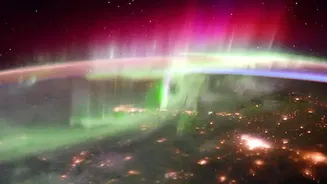
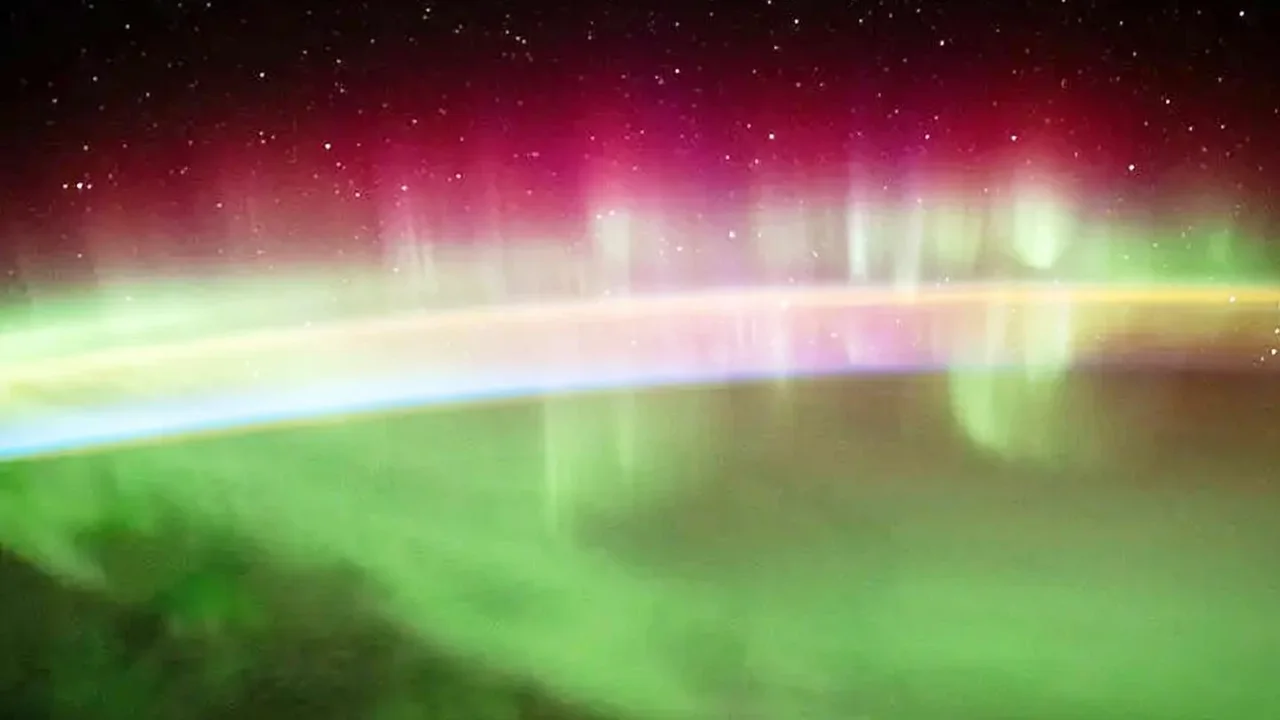
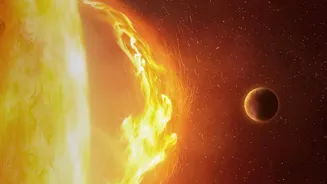
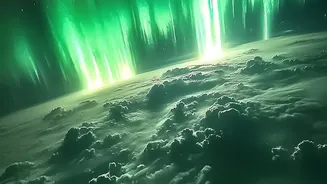
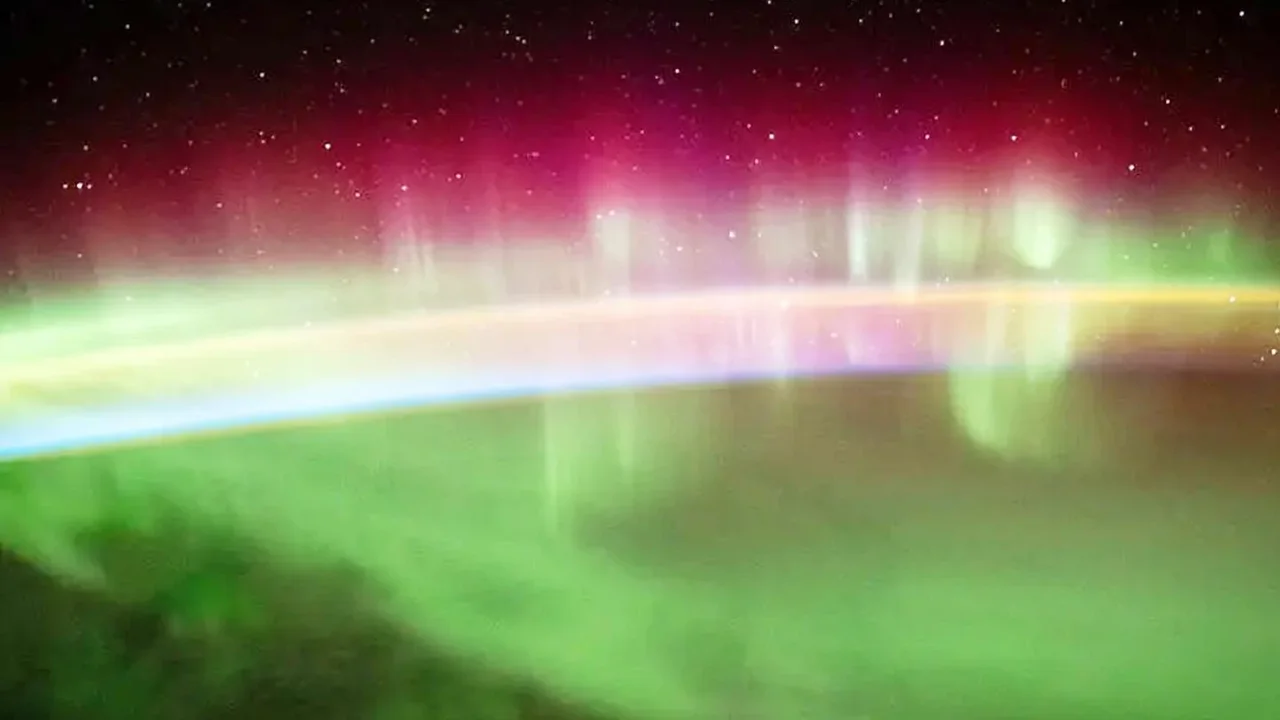
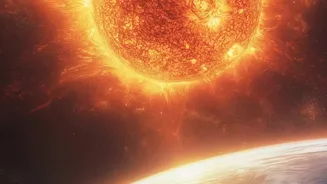
One of the most beautiful consequences of solar maximum is the increased frequency and intensity of auroras, the famous Northern and Southern Lights. These breathtaking displays are a direct result of solar storms. During a maximum, the sun is more likely to produce powerful solar flares and coronal mass ejections (CMEs). CMEs are massive explosions that hurl billions of tonnes of magnetised plasma from the sun's corona out into space. If one of these clouds of charged particles is aimed at Earth, it travels across the solar system in a matter of days, or sometimes just hours. Upon arrival, it collides with Earth's magnetosphere, our planet's protective magnetic shield. This shield funnels the energetic particles towards the poles, where they slam into oxygen and nitrogen atoms in the upper atmosphere, causing them to glow in vibrant shades of green, pink, and purple.
The Dark Side: A Threat to Technology
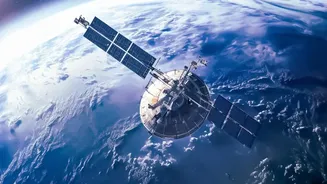
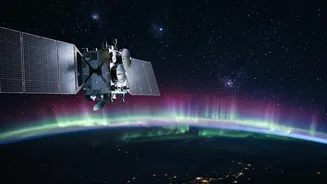
While auroras are beautiful, the geomagnetic storms that cause them can be highly disruptive to our technology-dependent society. The same energy that lights up the sky can wreak havoc on infrastructure both in space and on the ground. Satellites are particularly vulnerable. The flood of charged particles can damage sensitive electronics and solar panels. The storms also heat and expand Earth's upper atmosphere, increasing drag on low-orbiting satellites and causing them to lose altitude. In one notable 2022 incident, a geomagnetic storm led to the loss of dozens of newly launched Starlink satellites. Back on Earth, these storms can induce powerful electrical currents in long conductors like power lines, potentially overloading grids and causing widespread blackouts, as famously happened in Quebec, Canada, in 1989. They can also disrupt GPS signals and high-frequency radio communications, which are vital for aviation and emergency services.
Preparing for a Cosmic Squall
We cannot stop a solar storm, but we can prepare for one. Agencies like NOAA's Space Weather Prediction Center in the US constantly monitor the sun, using a fleet of satellites to detect CMEs and solar flares. These early warnings give satellite operators, power grid managers, and airlines a crucial heads-up, sometimes providing a few days' notice to take protective measures. This might involve putting satellites into a protective 'safe mode' to shield their electronics, re-routing flights away from polar regions where radiation exposure is highest, or adjusting loads on electrical grids to prevent overloads. While most citizens won't need to do anything, these behind-the-scenes efforts are essential for safeguarding the services we rely on daily, from navigation apps on our phones to the stability of our electricity supply.