
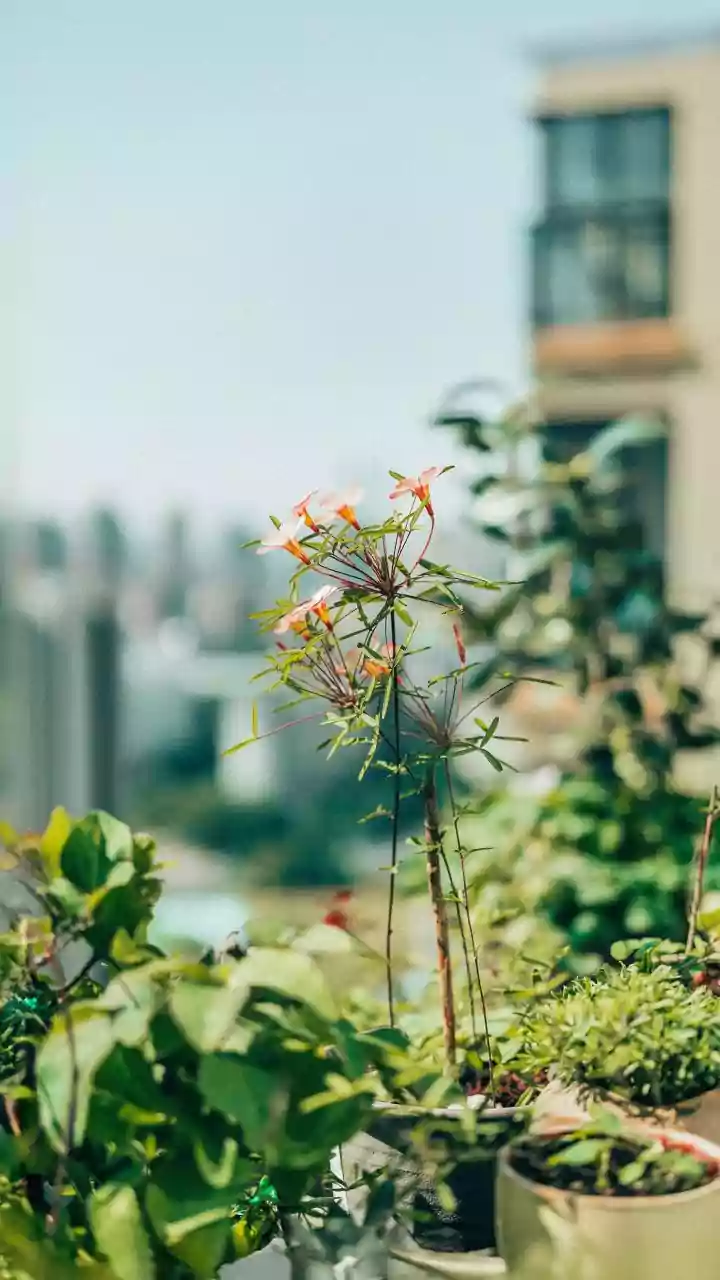


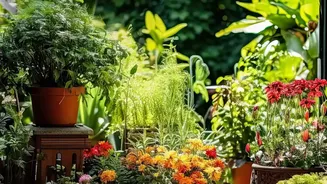
Imagine stepping into a garden bursting with vibrant colours and intoxicating scents. This guide helps you create that tropical haven at home, starting with the iconic Plumeria and other stunning flowering plants perfect for India's climate.
The Star of the Show: Plumeria (Champa)
Known for
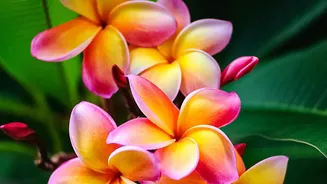
its mesmerizing fragrance and beautiful, waxy flowers, Plumeria, or Champa, is a quintessential tropical plant. It is deeply rooted in Indian culture, often found in temple gardens and used in wedding ceremonies. The flowers come in a variety of colours, including white, yellow, pink, and deep reds. Growing Plumeria is rewarding and relatively straightforward. It thrives in full, direct sunlight, needing at least six to eight hours a day to produce abundant blooms. The key to success is well-draining soil; Plumeria does not tolerate 'wet feet', so avoid heavy clay soils that retain water. Water the plant well, but allow the soil to dry out between waterings.
The Prolific Bloomer: Hibiscus (Gudhal)
No Indian garden feels complete without the cheerful presence of Hibiscus, or Gudhal. Considered one of the easiest and best summer flowering plants, it produces large, trumpet-shaped flowers almost year-round in warm climates. Available in hundreds of colours from fiery reds and oranges to delicate pinks and whites, Hibiscus is perfect for pots on a balcony or as a hedge in a larger garden. Like Plumeria, it is a sun-lover and requires at least six hours of direct sunlight for maximum flowering. Keep the soil consistently moist but not waterlogged, especially during the peak summer months. Its resilience and constant colour make it a reliable choice for gardeners of all skill levels.
The Hardy Showstopper: Bougainvillea
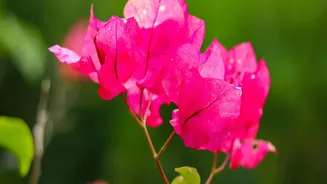
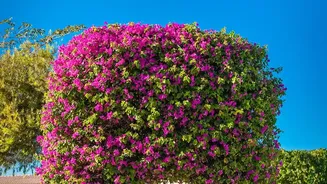
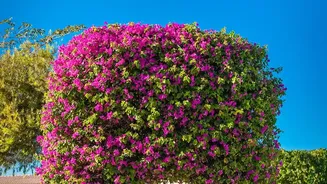
For a spectacular and low-maintenance burst of colour, look no further than Bougainvillea. What appear to be vibrant flowers are actually modified leaves called bracts, which come in dazzling shades of magenta, purple, orange, and white. This hardy plant thrives in hot, dry conditions and loves the sun, making it perfectly suited for the Indian climate. In fact, it blooms best when it receives at least six hours of intense, direct sun. Bougainvillea is famously drought-tolerant and prefers its soil to dry out between deep waterings; overwatering will lead to more leaves and fewer colourful bracts. It's an excellent choice for covering fences, walls, or as a standalone shrub that demands attention.
Clusters of Colour: Ixora (Rugmini)
Often called Jungle Geranium, Ixora is another reliable bloomer that brings dense, globe-like clusters of flowers to the garden. These flowers, typically in shades of red, orange, yellow, and pink, appear throughout the year in warm regions. Ixora is widely used in tropical gardens for hedges and borders, but also grows well in containers. It prefers four to six hours of daily sun and thrives in slightly acidic, well-drained soil. Keeping the soil evenly moist will ensure it remains a lush, green shrub covered in vibrant blooms, adding a different texture and form to your tropical plant collection.
Essential Care for Your Tropical Paradise
Creating a thriving tropical garden is about getting the basics right. Most tropical flowering plants are sun-worshippers, requiring at least six hours of direct sunlight daily. The soil should always be well-draining to prevent root rot, a common issue in humid climates. While many tropical plants are heat-tolerant, they still need consistent watering, especially when grown in pots. A good rule of thumb is to water deeply and then allow the top layer of soil to dry before watering again. During the main growing season (spring and summer), feed your plants every two to four weeks with a balanced fertilizer, particularly one higher in phosphorus, to encourage a profusion of flowers.
Managing Common Pests
Even the healthiest gardens can attract pests. Common culprits on tropical plants in India include mealybugs (which look like white, cottony masses), aphids (tiny insects on new growth), and spider mites. These pests suck sap from the plant, leading to yellowing leaves and weak growth. Early detection is key. For minor infestations, a strong spray of water can dislodge many pests. For more persistent problems, spraying with neem oil or an insecticidal soap solution is an effective organic approach. Ensuring good air circulation around your plants can also help prevent pests from taking hold.