


Setting Realistic Expectations
The idea that houseplants can purify indoor air gained popularity from a 1989 NASA study. It found that certain plants could remove volatile organic compounds (VOCs) like formaldehyde and benzene from sealed chambers. However, it's crucial to understand
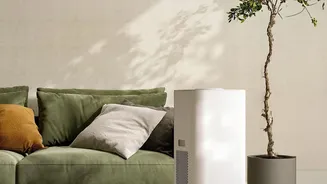
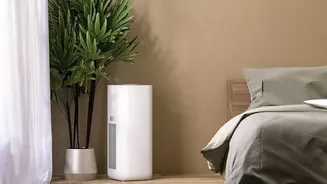
the real-world context. Homes are not sealed labs, and subsequent research has shown that you would need a very large number of plants to match the air-cleaning rate of simple ventilation, like opening a window. Plants are not a substitute for an air purifier, especially for filtering out dangerous PM2.5 particles, which they cannot effectively absorb. Think of plants as one component of your clean-air strategy: they excel at removing some chemical gases and boosting well-being, but they won't single-handedly solve the smog problem.
The Hardy Hero: Snake Plant
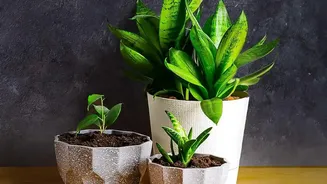
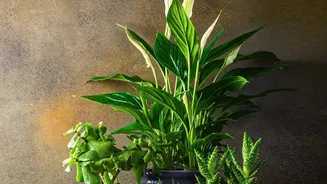
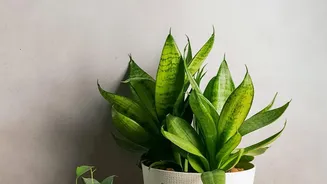
Known as Mother-in-Law's Tongue, the Snake Plant (Sansevieria trifasciata) is famous for being nearly indestructible, making it perfect for busy families. It thrives in low light and requires infrequent watering. Uniquely, it releases oxygen at night, which makes it an excellent choice for bedrooms. It is effective at filtering common household toxins such as formaldehyde, benzene, and xylene. One important note for families: the Snake Plant is toxic if ingested by pets or children, so it should be placed out of reach.
The Lush Humidifier: Areca Palm
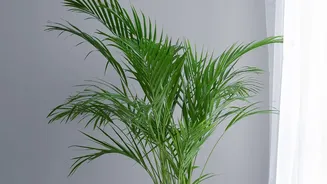
The Areca Palm (Dypsis lutescens) is a popular choice in Indian homes for its lush, feathery fronds that bring a tropical feel indoors. It's more than just a pretty face; it acts as a natural humidifier, releasing moisture into the dry winter air, which can help ease respiratory discomfort. The Areca Palm is also one of the top-rated plants for removing chemical toxins. Critically for families, it is non-toxic and safe for both children and pets, making it an ideal choice for living rooms and play areas.
The Easy Climber: Money Plant
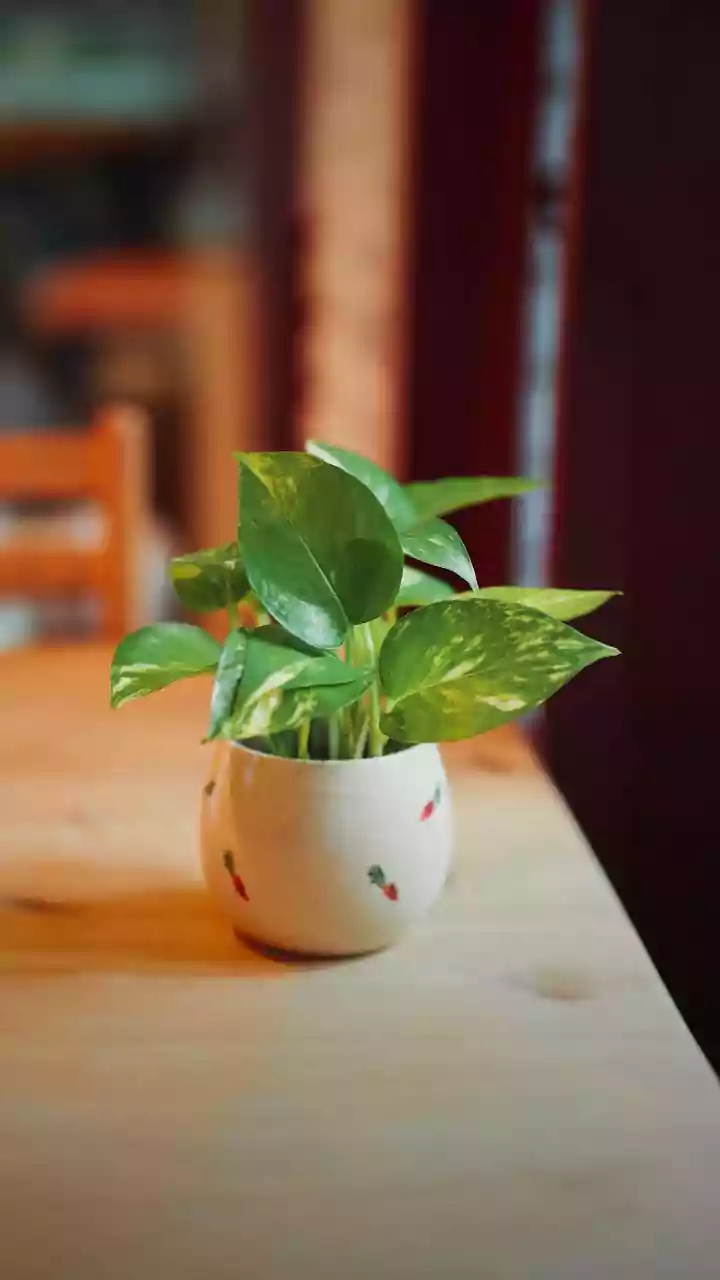
The Money Plant (Epipremnum aureum or Pothos) is a common sight in Indian households, celebrated for its resilience and fast-growing nature. It requires minimal care and can tolerate a wide range of lighting conditions. According to NASA's research, it is highly effective at removing formaldehyde and benzene, pollutants often found in synthetic carpets and paints. Its trailing vines can be styled beautifully on shelves or in hanging baskets. Like the snake plant, it is mildly toxic if ingested, so it's best to keep it on a high shelf, away from curious hands and paws.
The Prolific Purifier: Spider Plant
The Spider Plant (Chlorophytum comosum) is another excellent, low-maintenance choice that's great for beginners. It's known for its ability to filter formaldehyde and xylene from the air. One of its best features is how easily it reproduces, sprouting small 'spiderettes' that can be repotted to create new plants for other rooms. This is also one of the safest choices for families, as it is non-toxic to both cats and dogs, giving you peace of mind.
Plant Hacks for Maximum Impact
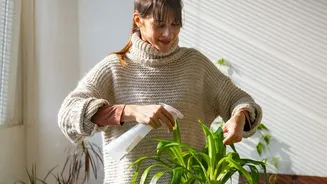
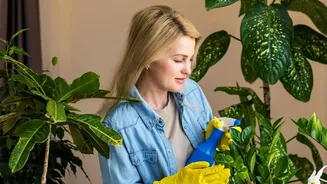
To make the most of your green companions, a few strategies can help. While some studies suggest an impractically high number of plants are needed for significant purification, a more practical recommendation is to have at least two good-sized plants per 100 square feet of space. Placement matters: concentrate plants in the rooms where you spend the most time, such as bedrooms and living areas. Finally, keep the leaves clean. A layer of dust can block light and reduce a plant's ability to filter air, so a gentle wipe with a damp cloth every few weeks will keep them working efficiently.