



The Foundation of Stillness: Mastering Tree Pose
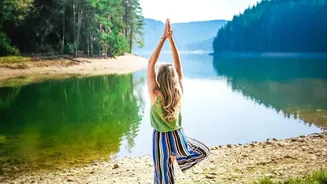
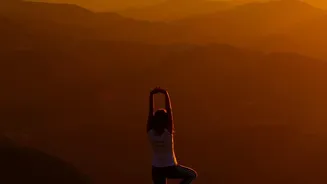
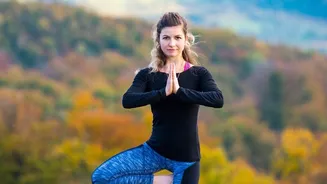
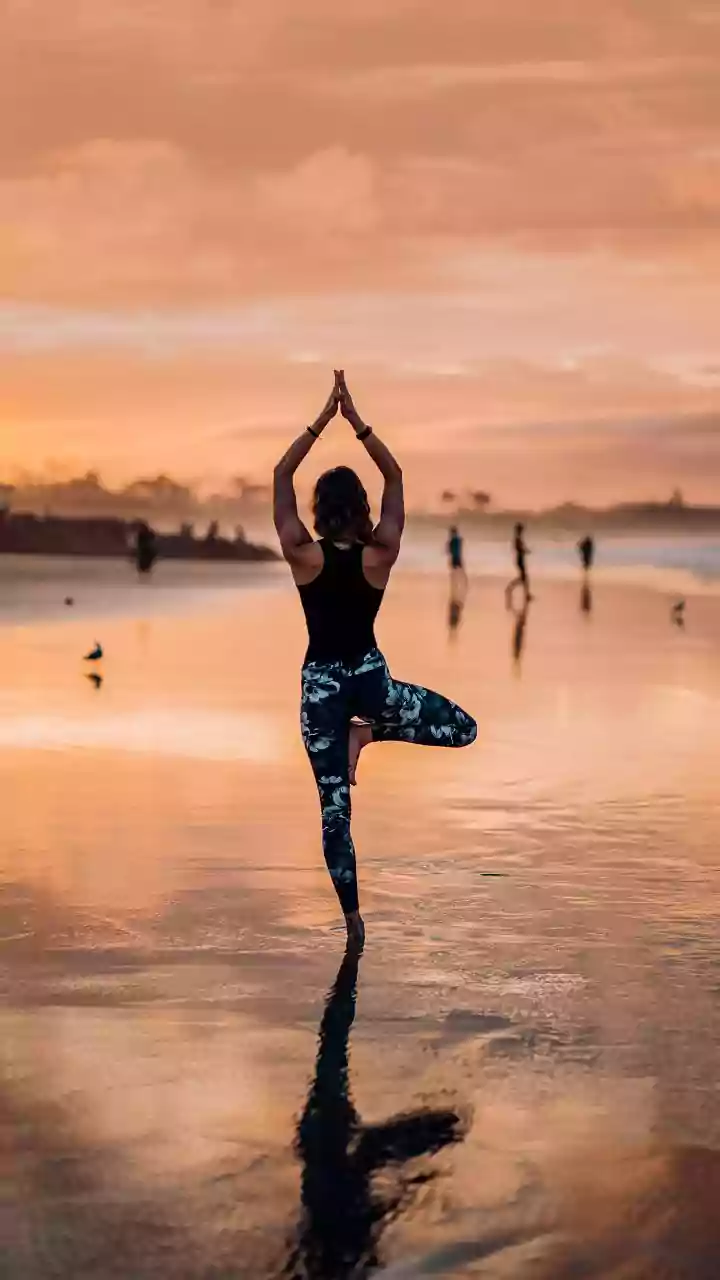
Tree Pose, or Vrksasana, is a foundational balancing posture that teaches stillness and concentration. By rooting down through one foot, you build strength in the standing leg's ankle and calf. The pose requires you to engage your core for stability and find
a 'drishti', or a fixed point of focus, to keep your mind from wandering. The primary action is external rotation of the hip as you place your lifted foot on the inner thigh, shin, or ankle of the standing leg—never directly on the knee. Variations, from keeping toes on the floor to raising arms overhead, allow practitioners to find their personal edge. Tree Pose cultivates the patience and grounding needed for all other balancing postures; it teaches you how to create a stable base before you can move.
The Dynamic Challenge: Understanding Warrior III
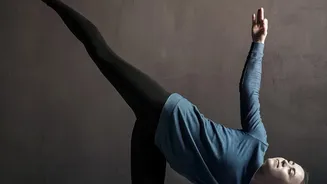
Warrior III, or Virabhadrasana III, takes the balance you’ve cultivated and puts it in motion. It's a powerful pose that requires full-body strength and coordination. Transitioning from a stable base like Warrior I or a high lunge, you hinge at the hips, extending one leg straight back while your torso moves parallel to the floor. The goal is to create a long, energetic line from your head to your lifted heel. This posture strengthens the entire back of the body, including the glutes, hamstrings, and spinal muscles, while demanding intense core engagement to keep the hips level and prevent the lower back from overarching. It's less about static stillness and more about maintaining stability through a challenging, gravity-defying shape.
Building the Bridge From Tree to Warrior
So, how does the quiet stability of Tree Pose set you up for the powerful flight of Warrior III? The connection lies in the skills you build. Both poses demand a strong, stable standing leg and deep mental focus. Tree Pose is where you perfect these fundamentals in a relatively controlled environment. You learn to activate the muscles of the standing leg, engage your core, and steady your gaze.Warrior III takes those same principles and adds complexity. The steady gaze from Tree Pose becomes crucial for maintaining balance when your torso is horizontal. The core strength you used to stand tall in Tree is now essential to support your entire spine. And the grounding through your standing foot is tested even further as your center of gravity shifts forward. Think of Tree Pose as learning to stand on one leg, while Warrior III is learning to fly on one leg. The transition itself often flows from Tree, by squaring the hips and extending the leg back.
A Practical Progression for Your Practice
To move from Tree toward Warrior III, begin in a solid Vrksasana. Find your drishti and establish your breath. When you feel stable, bring your hands to your heart or hips. Inhale as you slowly bring your lifted knee forward, pointing it toward the front of your mat. On an exhale, begin to hinge from your hips, sending your lifted leg straight back behind you. Keep a micro-bend in your standing knee to avoid locking the joint. Actively press through the heel of your extended leg as if you were stamping it on a wall behind you. It's important to keep your hips square to the floor; imagine the pinky-toe side of your lifted foot rotating down. Using blocks under your hands can make the pose more accessible by bringing the floor closer to you. Don’t worry about achieving a perfect 'T' shape initially. Focus on the feeling of length and stability.
The Muscular and Mental Connection
The muscle engagement evolves from one pose to the next. In Tree Pose, the quadriceps of the standing leg are highly active, along with the gluteus medius on the outer hip, which works hard to keep you from tipping over. In Warrior III, these muscles are still firing, but they are joined by a much greater demand on the hamstrings and gluteus maximus of both the standing and lifted leg. Furthermore, the erector spinae muscles along your back must engage to lift and support your torso against gravity, an action not required in the upright Tree Pose. Mentally, both poses teach resilience. Falling is part of the process. Each time you reset and try again, you learn to approach the challenge with less judgment and more persistence, a lesson that extends far beyond the yoga mat.