







The Ultimate Summer Antidote
When the mercury climbs and the air feels thick enough to touch, our desire for heavy, complicated dishes evaporates. We yearn for simplicity, for refreshment, for something that cools us from the inside out. The dessert that answers this call is Amrakhand,
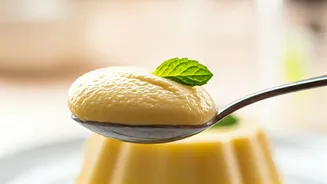
or Mango Shrikhand. It’s a timeless classic from the western states of Maharashtra and Gujarat, a glorious blend of thick, strained yoghurt (chakka) and the pulp of ripe, luscious mangoes. Its magic lies in its texture. It’s not icy like a sorbet or heavy like an ice cream. Instead, it’s impossibly thick, smooth, and creamy, melting on the tongue with a gentle, cooling sweetness. Each spoonful is a perfect balance of tangy yoghurt and the unmistakable floral, honeyed flavour of the king of fruits. It’s the dessert form of finding shade under a sprawling banyan tree on a scorching afternoon.
The Heart of the Dish: Ingredients
The beauty of Amrakhand is its simplicity, which means the quality of your ingredients is paramount. You don’t need a long list of exotic items, just a few perfect components. Here’s what you’ll require: * **Full-Fat Yoghurt (Dahi):** About 4 cups (1 kg). This is the base, so use a good quality, plain, unflavoured yoghurt. It will be strained to create the 'hung curd'. * **Ripe Mangoes:** 2 large, sweet mangoes (preferably Alphonso, Kesar, or any fibreless variety). You’ll need about 1 to 1.5 cups of smooth pulp. * **Sugar:** About 1/2 to 3/4 cup, powdered. Adjust this based on the sweetness of your mangoes. Powdered sugar dissolves easily without making the shrikhand watery. * **Cardamom Powder (Elaichi):** 1/2 teaspoon. This adds a beautiful, subtle warmth and fragrance that complements the mango perfectly. * **Saffron (Kesar):** A generous pinch, soaked in 1 tablespoon of warm milk. This lends a beautiful colour and an exquisite aroma. * **For Garnish (Optional):** Sliced pistachios, almonds, or a few extra strands of saffron.
Crafting Your Moment of Bliss
Making Amrakhand is less about complex cooking and more about patient preparation. The key step is making the hung curd, which needs to be done in advance. **Step 1: Prepare the Hung Curd (Chakka)** Place a large sieve over a deep bowl. Line the sieve with a clean muslin cloth or a few layers of cheesecloth. Pour the yoghurt into the cloth, gather the edges, and squeeze gently to remove some of the whey. Place a weight on top (like a small plate with a can on it) and refrigerate for at least 6-8 hours, or preferably overnight. The goal is to drain as much whey as possible, leaving you with a thick, cream cheese-like substance. This is your chakka. **Step 2: Prepare the Mango Pulp** While your curd is straining, wash, peel, and chop the mangoes. Blend them into a smooth, thick puree without adding any water. Strain the pulp through a sieve if your mangoes are slightly fibrous to ensure a silky-smooth final texture. **Step 3: Combine and Whisk** In a large bowl, add your hung curd, mango pulp, powdered sugar, cardamom powder, and the saffron-infused milk. Using a whisk, beat everything together until it is completely smooth, creamy, and uniform in colour. Be careful not to over-mix, especially if using an electric beater, as it can make the shrikhand thin. A simple hand whisk is perfect for the job. **Step 4: Chill and Serve** Taste and adjust the sugar if needed. Transfer the Amrakhand to a serving bowl, cover, and chill in the refrigerator for at least 2-3 hours. Chilling not only makes it refreshing but also allows the flavours to meld and deepen. Before serving, garnish with your choice of chopped nuts.
Pro-Tips for Perfection
To elevate your Amrakhand from good to unforgettable, keep a few things in mind. First, don't rush the straining process. The thicker your hung curd, the creamier and more luxurious your shrikhand will be. If it’s not thick enough, the final dessert will be runny. Second, your choice of mango matters immensely. Use sweet, fragrant, and non-fibrous varieties for the best flavour and texture. If your mangoes aren't very sweet, you'll need to add more sugar. Finally, while it's tempting to dig in right away, chilling is a non-negotiable step. It transforms the dish, making it denser and more intensely flavourful.