




The Joy of a Zero-Waste Kitchen
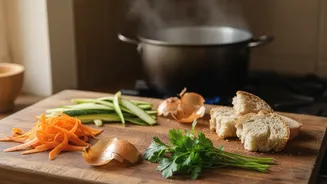
Before you begin, it’s helpful to embrace the mindset of a zero-waste kitchen. This philosophy isn't about restriction; it's about creativity and resourcefulness. In India, using every part of an ingredient is a tradition rooted in frugality and respect
for food. This approach, often called 'root-to-stem' cooking, challenges you to see potential in the parts of vegetables you might normally discard. By rethinking scraps like coriander stems, vegetable peels, and day-old bread, you not only reduce your environmental footprint but also unlock new layers of flavour and save money on groceries. It’s a simple, powerful way to make your kitchen more sustainable and your meals more interesting.
From Scrap to Star: A Universal Herb Stem Pesto
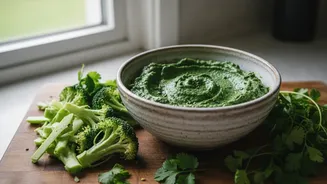
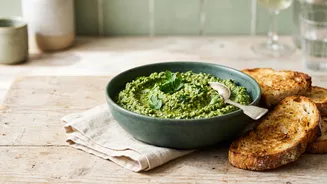
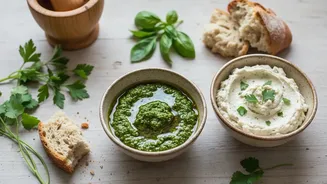
Herb stems, particularly from soft herbs like coriander, parsley, and basil, are bursting with flavour that often goes straight into the bin. While some very thick stems can be bitter, tender stems are perfect for a zesty, textured pesto. Unlike traditional pesto, which relies solely on leaves, a stem-based version is bright, slightly peppery, and incredibly versatile. The key is to balance the robust flavour of the stems with other classic pesto ingredients. This recipe is a flexible template, so feel free to adjust based on the herbs you have on hand.
Flexible Herb Stem Pesto Recipe
This recipe works well with coriander, parsley, mint, or a mix of soft herb stems.Ingredients:- 2 cups of tightly packed soft herb stems (and any attached leaves)- 2 to 3 garlic cloves, roughly chopped- 1/2 cup of nuts or seeds (almonds, walnuts, or sunflower seeds work well)- 1/2 cup of grated hard cheese like Parmesan (optional)- Juice of half a lemon- 1/2 cup of extra-virgin olive oil- Salt and freshly cracked black pepper to tasteInstructions:1. Wash the herb stems thoroughly and pat them dry.2. In a food processor or blender, add the herb stems, garlic, nuts/seeds, and cheese (if using). Pulse a few times until everything is coarsely chopped.3. With the processor running on low, slowly drizzle in the olive oil until the pesto comes together. Scrape down the sides as needed to ensure everything is well combined.4. Add the lemon juice, salt, and pepper. Pulse again briefly to mix, then taste and adjust the seasoning. If the pesto is too thick, add a bit more olive oil or a tablespoon of water.5. This pesto can be used immediately on pasta, as a sandwich spread, or as a marinade. It will keep in a sealed jar in the refrigerator for up to a week if you pour a thin layer of olive oil on top to prevent browning.
Don't Waste That Stale Bread
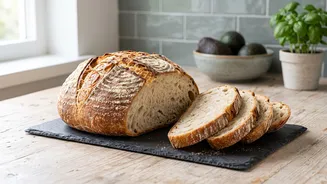
Stale bread is one of the most commonly wasted food items, yet it has incredible potential in the kitchen. When bread loses its moisture and becomes hard, it develops an entirely new culinary purpose. Instead of trying to revive it, you can embrace its texture to create hearty, delicious dishes. One of the best uses for truly stale, crusty bread is to transform it into a dip or thickener for soups and sauces. Italian cuisine is famous for this, with dishes like Panzanella (bread salad) and Ribollita (bread-thickened soup) showcasing how stale bread can absorb flavours and add satisfying body to a meal.
Recipe for a Rustic Stale Bread and Tomato Dip
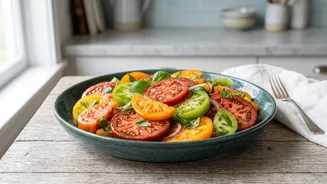
Inspired by the flavours of Tuscany's Panzanella, this dip turns hard, stale bread into a flavourful and rustic appetiser.Ingredients:- 3-4 thick slices of stale, crusty bread (about 200g), torn into rough chunks- 4 ripe tomatoes, roughly chopped- 1 small red onion, thinly sliced- 1 cucumber, peeled and chopped- A handful of fresh basil leaves- 3 tablespoons of extra-virgin olive oil- 2 tablespoons of red wine vinegar- 1 clove of garlic, minced- Salt and pepper to tasteInstructions:1. Place the stale bread chunks in a large bowl. In a separate small bowl, whisk together the olive oil, red wine vinegar, minced garlic, salt, and pepper to create a dressing.2. Pour half of the dressing over the bread chunks and toss well, allowing the bread to begin soaking up the liquid.3. Add the chopped tomatoes, onion, cucumber, and basil leaves to the bowl with the bread.4. Pour the remaining dressing over everything and mix thoroughly. Using your hands is often best to ensure the bread breaks down slightly and combines with the vegetables.5. Let the mixture sit for at least 20-30 minutes to allow the flavours to meld and the bread to soften completely into a scoopable, dip-like consistency.6. Serve at room temperature with extra basil on top.