




The Smart Season to Travel
The period between peak and off-peak seasons, known as the 'shoulder season', is rapidly gaining popularity among Indian tourists. For years, travel plans were boxed into school holidays and festive breaks, leading to crowded destinations and inflated
prices. That model is changing. Today, timing is becoming as crucial as the destination itself, with travellers actively seeking better value and more authentic experiences. According to a 2026 Skyscanner report, about 37% of Indian travellers now deliberately choose the shoulder season to avoid crowds. This shift isn’t just about saving money; it's about experiencing places with fewer people, allowing for deeper cultural interactions and a more relaxed pace.
Europe's Autumn Allure
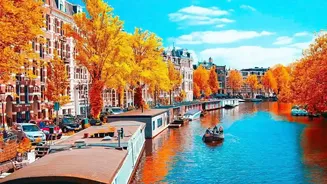
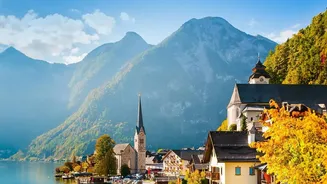
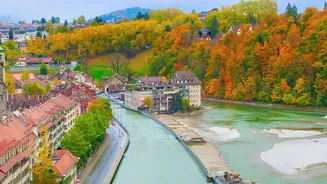
Europe in September and October offers a magical combination of mild weather, autumnal colours, and significantly thinner crowds than the frantic summer months. This window is becoming a firm favourite for Indian travellers. Data from Amadeus Travel Intelligence for 2026 shows a nearly 60% year-on-year surge in air bookings from India to Munich for Oktoberfest, highlighting the region's draw. Beyond specific events, countries like Portugal, Georgia, and Turkey are emerging as hotspots. These destinations offer pleasant weather perfect for sightseeing, from exploring Lisbon's colourful streets to hiking in Georgia's Caucasus mountains, all without the peak-season rush. The trend also indicates that many are planning longer trips of 14 nights or more, often combining multiple cities into one European itinerary.
Asian Destinations Beckon
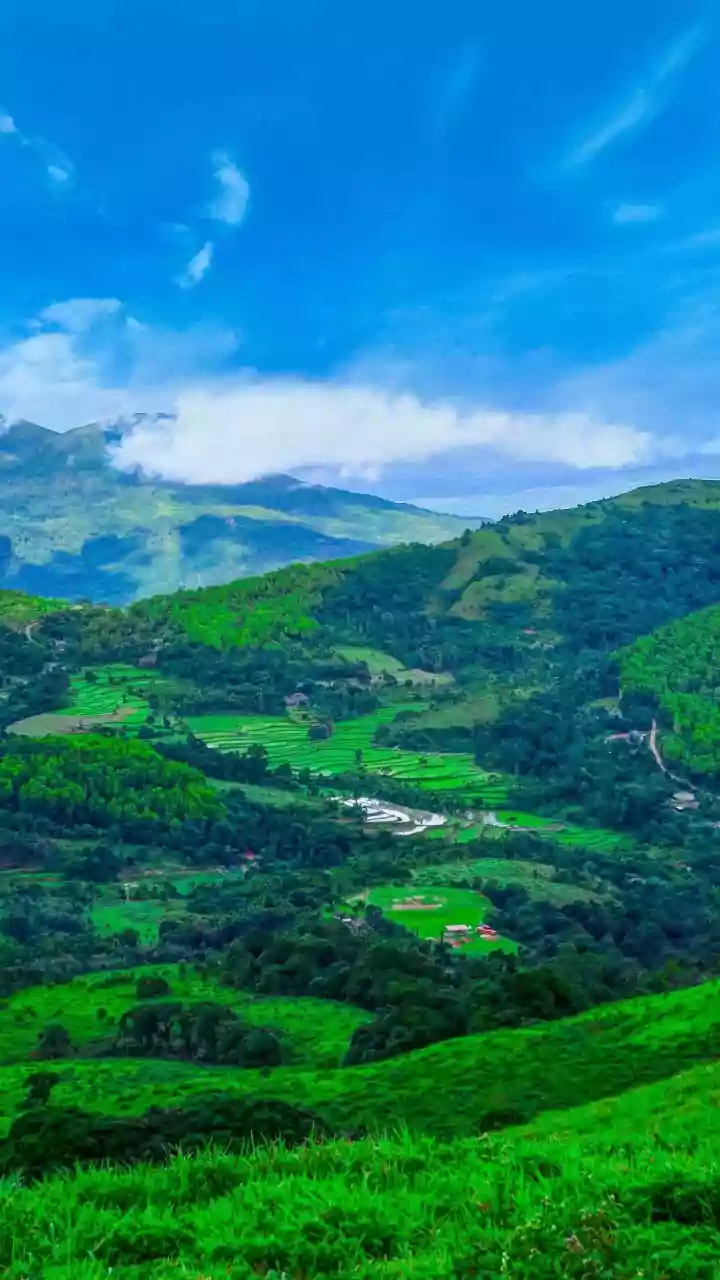
Closer to home, several Asian countries are seeing a similar influx of Indian tourists during this period. After the monsoon, destinations across Southeast Asia are lush, green, and more affordable. Vietnam has become a breakout star, loved for its affordable luxury, vibrant street food culture, and easy e-visa process. Thailand remains a perennial favourite, with the shoulder season offering great deals in places like Krabi and Phuket. Further east, Japan is also gaining traction, as travellers look to experience its unique culture beyond the crowded cherry blossom season. For September 2026, India has been a dominant source market for tourism in Sri Lanka, making up 31% of arrivals in the first three weeks of the month. This shows a strong preference for nearby destinations that offer both cultural familiarity and new experiences.
Why the Shift Is Happening Now
Several factors are driving this trend. The rise of remote work and flexible schedules allows more professionals to travel outside of traditional holiday periods. Furthermore, Indian travellers are becoming more experienced and discerning, prioritising value and quality of experience over simply checking off a destination. Reports note that over half of Indian travellers prefer quieter, less-crowded locations over the usual hotspots. Improved flight connectivity and simplified visa processes for many countries, including visa-free access to places like Thailand and Malaysia, have also made spontaneous international travel more accessible than ever. Ultimately, this trend points to a more mature and strategic Indian traveller who understands that the 'when' can be just as important as the 'where'.