

The Perennial Link of Shared Rivers
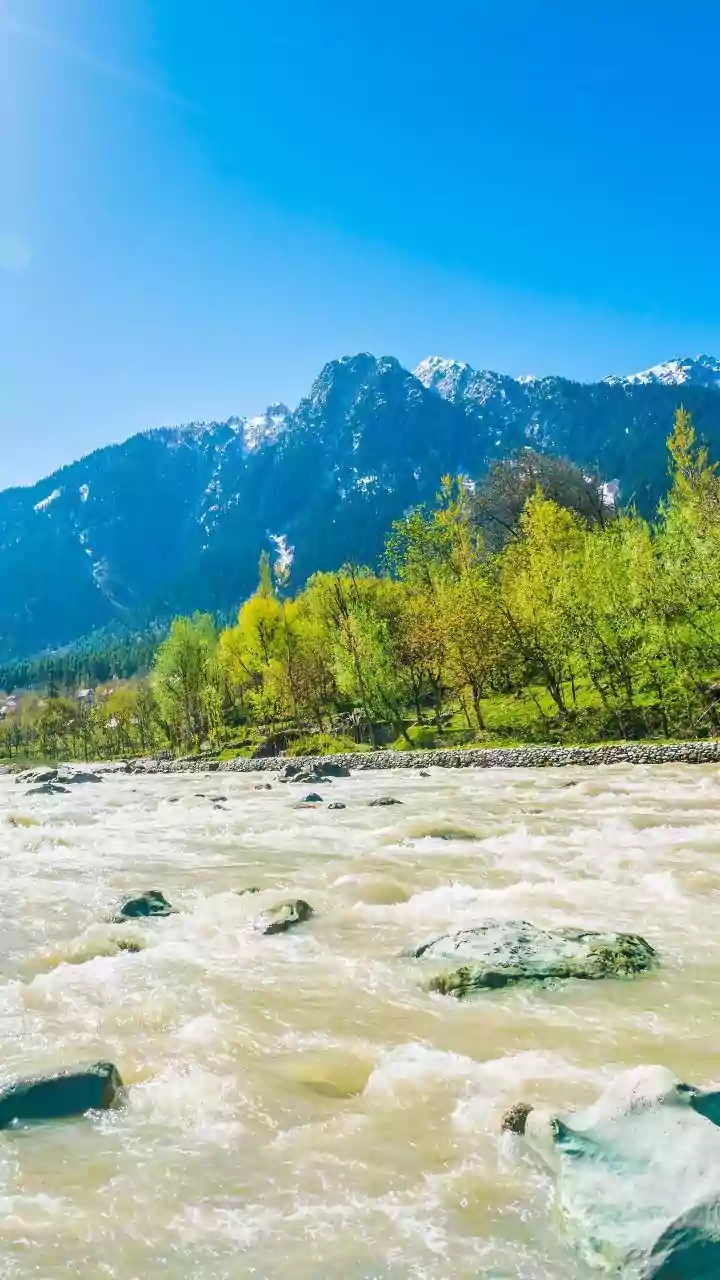
The geography of South Asia is defined by rivers that respect no international borders. Many of the major river systems that nourish the vast Gangetic plains of Bihar and Uttar Pradesh originate in the high Himalayas of Nepal. Rivers like the Kosi, Gandak
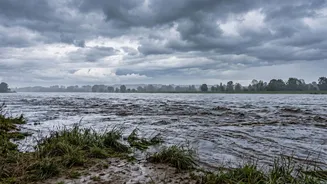
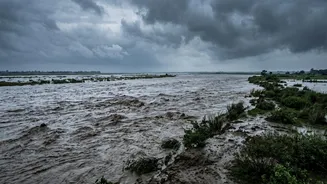
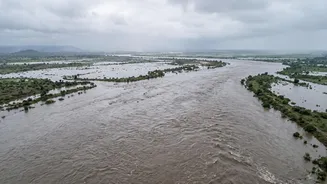
(known as Narayani in Nepal), Ghaghara, and Rapti are lifelines for agriculture, but they also serve as conduits for disaster. Heavy monsoon rainfall in the mountainous catchment areas of Nepal inevitably leads to a surge of water flowing downstream into India. This annual phenomenon means that when it pours in Nepal, the plains of Bihar and UP must brace for impact. This interconnectedness is managed through a series of agreements and barrages, like the Kosi and Gandak projects, designed to regulate water flow and provide early warnings.
What Sparked the Current Alert?
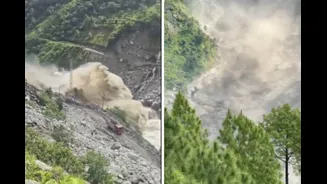
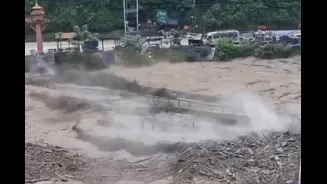
The recent high alert was triggered by devastating flash floods in Nepal on Wednesday, August 26, 2026, particularly in the Bhote Koshi and Trishuli river basins. These floods, reportedly exacerbated by a glacial lake outburst or extreme rainfall near the Nepal-China border, sent an enormous volume of water downstream. This surge is now travelling down the river system, with the primary concern being its entry into the Gandak river, which flows directly into both UP and Bihar. The sudden rise in water levels, recorded at gauge stations in Nepal, prompted an immediate and urgent response from Indian authorities who monitor this data closely through bilateral arrangements.
Bihar Braces for the Gandak's Fury
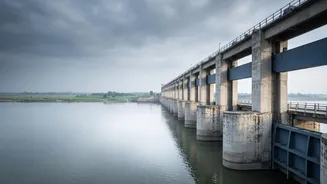
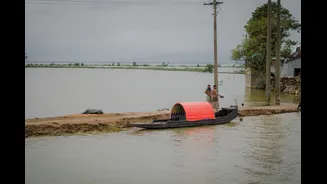
Bihar, a state historically vulnerable to flooding, is on high alert. The administration has sounded warnings across at least nine districts, including West Champaran, East Champaran, Gopalganj, and Muzaffarpur. A key focus is the Valmikinagar Barrage on the Gandak river in West Champaran. As a precautionary measure, officials opened all 36 gates of the barrage to manage the massive discharge of water coming from Nepal. The state’s disaster management department has cancelled leave for engineers and field personnel, while National Disaster Response Force (NDRF) teams have been deployed to vulnerable areas. Evacuations have already begun in low-lying villages, with residents being moved to safer locations like government schools.
Uttar Pradesh Monitors Its Eastern Flank
Uttar Pradesh is also on high alert, particularly the eastern districts of Maharajganj and Kushinagar, which border Nepal or are adjacent to it. The concern here is primarily the rising levels of the Gandak and Narayani rivers. Chief Minister Yogi Adityanath has directed the administrations of these districts to maintain round-the-clock monitoring of river levels and remain prepared for any emergency. One additional NDRF team has been deployed to Kushinagar, with more on standby. While the initial wave of water from Nepal is expected to primarily impact the Gandak, other rivers like the Ghaghara and Rapti are also being watched closely as monsoon rains continue.
What 'High Alert' Means on the Ground
A 'high alert' is more than just a warning; it triggers a cascade of official actions. It involves the 24/7 monitoring of river gauges and barrage water levels by the Central Water Commission and state engineering teams. It means deploying NDRF and State Disaster Response Force (SDRF) teams to strategic locations for quick rescue operations. Local authorities use public announcement systems to warn villagers in low-lying areas, urging them to move to higher ground with their livestock and essential belongings. The Union Home Minister has spoken to the Chief Ministers of both states, assuring them of all possible central assistance. This coordinated effort between central and state agencies is crucial to minimise the loss of life and property during a potential flood.