






The Problem with Prolonged Sitting
It's often called 'the new smoking,' and for good reason. A sedentary lifestyle, common for those with desk jobs, is linked to an increased risk of heart disease, type 2 diabetes, and even some cancers. Research shows that the average office worker may
sit for up to 10 hours a day. The scary part? Even regular, intense gym sessions may not be enough to fully undo the damage of sitting for extended periods. When you sit for long stretches, your metabolism slows, your large leg and gluteal muscles can weaken, and your hip flexors shorten, which can lead to back and hip problems. This is why shifting focus from a single, motivation-fueled workout to consistent, small movements throughout the day is critical.
Introducing 'Movement Snacks'
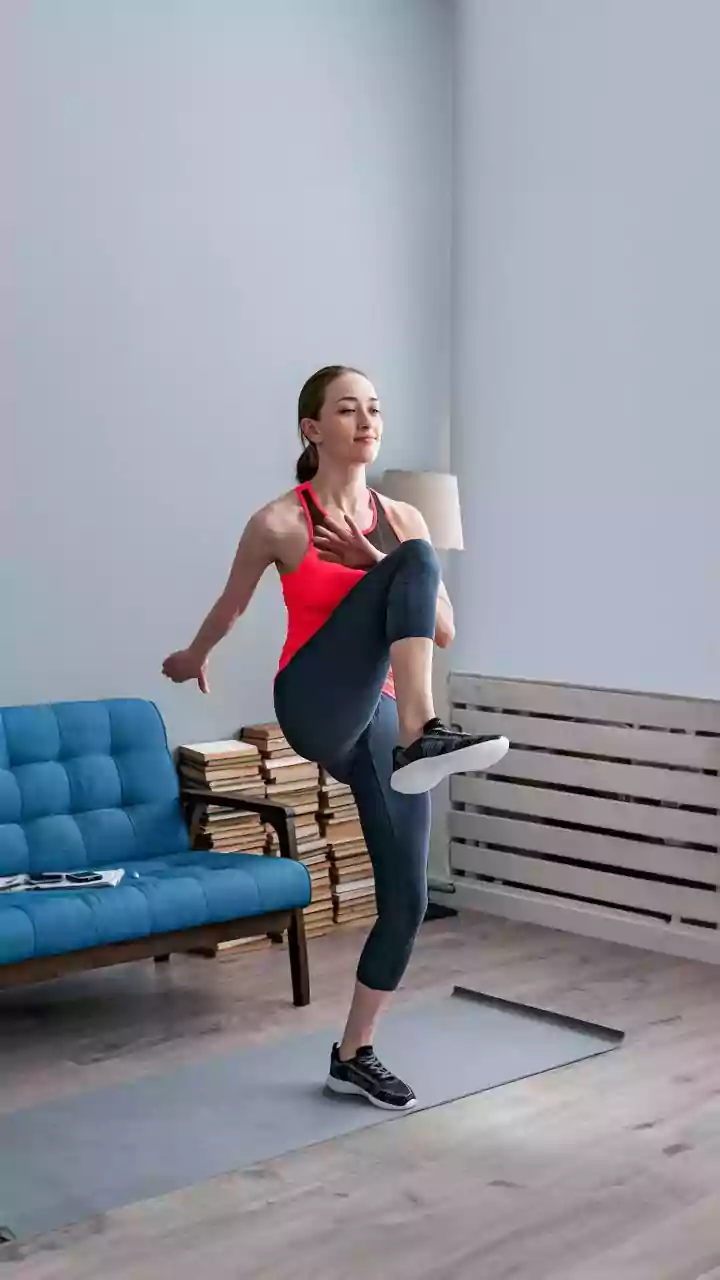
If a full workout is a meal, think of these as 'movement snacks' — short, easy bouts of physical activity sprinkled throughout your day. Lasting anywhere from a few seconds to a few minutes, these snacks are designed to break up long periods of sitting. The concept is simple but powerful: move more often, even if it's just for a minute or two at a time. Research suggests that these short bursts of activity can improve fitness, boost your mood, enhance focus, and reduce the health risks associated with a sedentary workday. Best of all, they don't require gym clothes, special equipment, or a huge reserve of willpower.
Simple Moves You Can Do at Your Desk
You don't need to draw attention to yourself to get the benefits of movement. Many effective exercises are subtle and can be done right in your chair. Try incorporating these into your routine: Seated Leg Raises: While seated, extend one leg straight out and hold for a few seconds, then lower it. Alternate legs. This helps circulation and reduces stiffness. Neck and Shoulder Rolls: Gently tilt your head from side to side and roll your shoulders backward and forward to release tension in your neck and upper back. Ankle Rotations: Point and flex your feet, then rotate your ankles in circles. This is a great way to prevent blood from pooling in your lower legs. Seated Spinal Twists: While sitting, gently twist your torso to one side, using your chair's armrest for a light stretch. Hold, then repeat on the other side to maintain spinal mobility.
Integrate Movement into Your Workflow
The most effective way to add more movement is to make it a natural part of your work habits. Instead of seeing movement as a separate task, weave it into your existing routine. Walk and Talk: Turn phone calls and conference calls into walking meetings. Pace around your office or, if possible, take the call while walking outside. The Inefficient Route: Choose the printer, water cooler, or restroom that is furthest from your desk. Those extra steps add up significantly throughout the week. Take the Stairs: Whenever possible, opt for the stairs instead of the elevator. Research has shown that even three short bouts of stair climbing spread throughout the day can improve fitness. Stand Up: Make a habit of standing during certain tasks, like reading emails or during meetings. If you have the option, a sit-stand desk allows you to easily alternate between sitting and standing.
Building a Lasting Habit
The key to making movement a permanent part of your workday is consistency, not intensity. Start small and build from there. Set a timer or use an app to remind yourself to get up and move every 30 to 60 minutes. Even just a minute of stretching or walking around can make a difference. Don't try to incorporate every tip at once. Pick one or two that seem easiest to you and practice them until they become second nature. For example, commit to only taking the stairs for one week. The following week, add in walking to a colleague's desk instead of sending an email. By gradually building these small, manageable habits, you create a sustainable and healthier work routine without relying on fleeting motivation.