






Why Monsoon Wreaks Havoc on Hair
Understanding the problem is the first step to solving it. During the monsoon, humidity levels spike, sometimes crossing 80 percent. Your hair, especially if it's dry or porous, absorbs this excess moisture from the air. This causes the hair shaft to swell
and the protective outer layer, the cuticle, to lift and roughen. The result is the familiar monsoon halo of frizz, where straight hair goes limp and curly hair puffs up. This constant swelling and shrinking, known as hygral fatigue, can weaken the hair over time, making it more prone to breakage.
Rethink Your Washing Routine
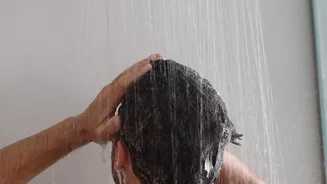
While it might seem counterintuitive, washing your hair more frequently—about two to three times a week—is essential during the monsoon. Increased sweat and humidity lead to a greasy scalp, product buildup, and can even encourage fungal infections or dandruff. Opt for a mild, sulphate-free shampoo that cleanses your scalp gently without stripping its natural oils. Follow up with a hydrating conditioner, focusing on the mid-lengths and ends to smooth the cuticle and control frizz. A final rinse with cool water can also help seal the cuticles, locking in moisture and adding shine.
The Art of Gentle Drying
How you dry your hair is critical. Wet hair is weak and susceptible to damage. Vigorously rubbing your hair with a standard rough towel is one of the quickest ways to cause frizz and breakage, as it lifts the cuticles. Instead, gently squeeze out excess water using a soft microfiber towel or a cotton T-shirt. Whenever possible, let your hair air-dry completely. If you must use a blow-dryer, use it on a low-heat or cool setting and always apply a heat protectant first. Point the nozzle downwards to encourage the cuticles to lie flat, resulting in a smoother finish.
Lock in Moisture, Lock Out Frizz
The key to fighting frizz is to ensure your hair is well-moisturised so it doesn't need to absorb moisture from the humid air. This is where leave-in products become your best friend. After washing, apply a lightweight leave-in conditioner or an anti-frizz serum to damp hair. These products form a protective barrier against humidity. Look for lightweight oils like argan, jojoba, or almond oil, which nourish the hair without weighing it down. A pre-shampoo oil massage can also work wonders, protecting the roots and moisturising the scalp. Just be sure not to leave heavy oils in overnight, as this can attract dirt in humid weather.
Your Monsoon Styling Toolkit
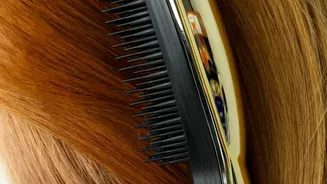
During the monsoon, less is more when it comes to styling. Reduce heat styling as much as possible to prevent further damage. Instead, embrace protective hairstyles like loose braids, buns, or ponytails, which minimise your hair's exposure to the damp air and prevent it from getting frizzy. If you have curly or wavy hair, detangle it when wet and conditioned using a wide-tooth comb or your fingers, starting from the ends and working your way up to the roots to prevent breakage. A light-hold hairspray can help tame any persistent flyaways without making your hair stiff.
Don't Forget Your Scalp
A healthy scalp is the foundation of healthy hair, especially during the sticky monsoon months. The combination of sweat and oil can lead to clogged follicles and issues like dandruff. Consider using a shampoo with ingredients like tea tree oil or salicylic acid to keep your scalp clean and fresh. A weekly deep-conditioning hair mask can also provide an intense dose of nourishment, helping to repair damage and make your hair more manageable. Pay attention to your scalp and cleanse it as needed to maintain a healthy environment for hair growth.