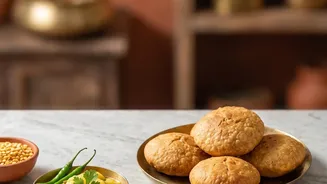



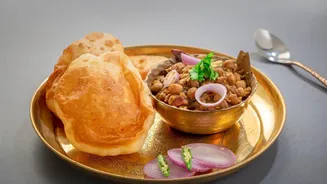
There is a special joy in seeing a puri puff up into a golden balloon. But the disappointment is real when it turns out leathery or hard. The secret to achieving that perfect balance of a soft inside and a crisp shell is simpler than you think.
The Challenge: Achieving the Perfect Puri Texture
The perfect
puri is a culinary delight—light, airy, with a satisfyingly crisp exterior that gives way to a soft, steamy interior. It is an essential part of festive meals and weekend breakfasts across India, often served with flavourful companions like aloo sabzi or chole. Yet, many home cooks struggle to replicate this ideal texture. Common frustrations include puris that don’t puff up, absorb too much oil and become greasy, or turn hard and chewy within minutes of frying. Achieving that delicate balance where the puri is both soft and crisp can feel like a guessing game, but much of the magic lies not in a complicated recipe, but in a simple, often-skipped step: resting the dough.
The Science of Rest: Why Patience Pays Off
When you knead atta (whole wheat flour) with water, you develop gluten, an elastic network of proteins that gives the dough its structure. Immediately after kneading, this gluten network is tight and tense. If you try to roll the dough right away, it will resist and spring back. Resting the dough for about 20 to 30 minutes allows this gluten to relax. As it relaxes, the dough becomes more pliable and easier to roll into even circles without tearing. This resting period also allows for even hydration, as the flour particles have more time to absorb the water, resulting in a smoother, more homogenous dough. This combination of relaxed gluten and proper hydration is critical. An evenly rolled puri traps steam perfectly when it hits the hot oil, causing it to puff up beautifully.
How to Rest Your Dough Correctly
Resting the dough is simple, but there is a right way to do it. After kneading your dough to a firm, smooth consistency—stiffer than you would for chapatis—brush it lightly with a bit of oil. This prevents a dry crust from forming on the surface. Cover the dough with a damp cloth or place it in a covered bowl. Let it rest at room temperature for at least 20 to 30 minutes. This duration is generally sufficient to relax the gluten without letting the dough ferment or become too soft. After resting, it is a good practice to knead the dough again for a minute or two to make it smooth before you start portioning and rolling. This ensures the texture is consistent throughout.
Beyond Resting: Other Keys to Success
While resting is crucial, it works best in combination with other correct techniques. The consistency of your dough is paramount; it should be firm and stiff, not soft and sticky like roti dough. A soft dough will absorb more oil and result in greasy puris. When rolling, use a tiny amount of oil instead of dry flour. Excess flour burns in the hot oil, turning it dark and giving the puris a slightly bitter taste. The thickness of the rolled puri also matters. If it’s too thin, it may become crispy like a papad; if too thick, it won't cook through properly. Aim for a uniform thickness of about 2mm. Finally, the oil temperature is critical. The oil must be hot enough for a test piece of dough to sizzle and rise to the surface immediately. If the oil is too cool, the puris will soak it up; if it's too hot, they will burn before they can puff.
Common Mistakes to Avoid
To guarantee your success, steer clear of a few common pitfalls. First, avoid using old dough from the refrigerator, as it tends to absorb more oil and doesn't puff as well. Second, do not overcrowd the pan while frying. Frying one or two puris at a time ensures the oil temperature remains stable, which is key for a good puff. Third, when you slide the puri into the oil, press it down gently with a slotted spoon to encourage it to balloon. Once it puffs, flip it over and cook for only a few more seconds. Avoid flipping it repeatedly, as this can make it absorb more oil. By combining the crucial step of resting the dough with these other fundamental techniques, you are setting yourself up for consistently perfect, fluffy, and delicious homemade puris.