



The New Backpacker Hotspot
Forget the usual European circuit. For a growing number of Gen Z travellers from India and across the globe, the compass is pointing towards Central Asia. The region, once considered remote and inaccessible, is rapidly becoming a go-to for those seeking
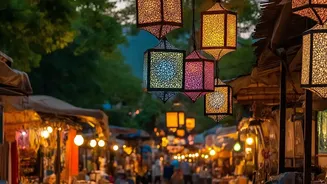
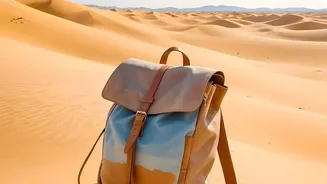
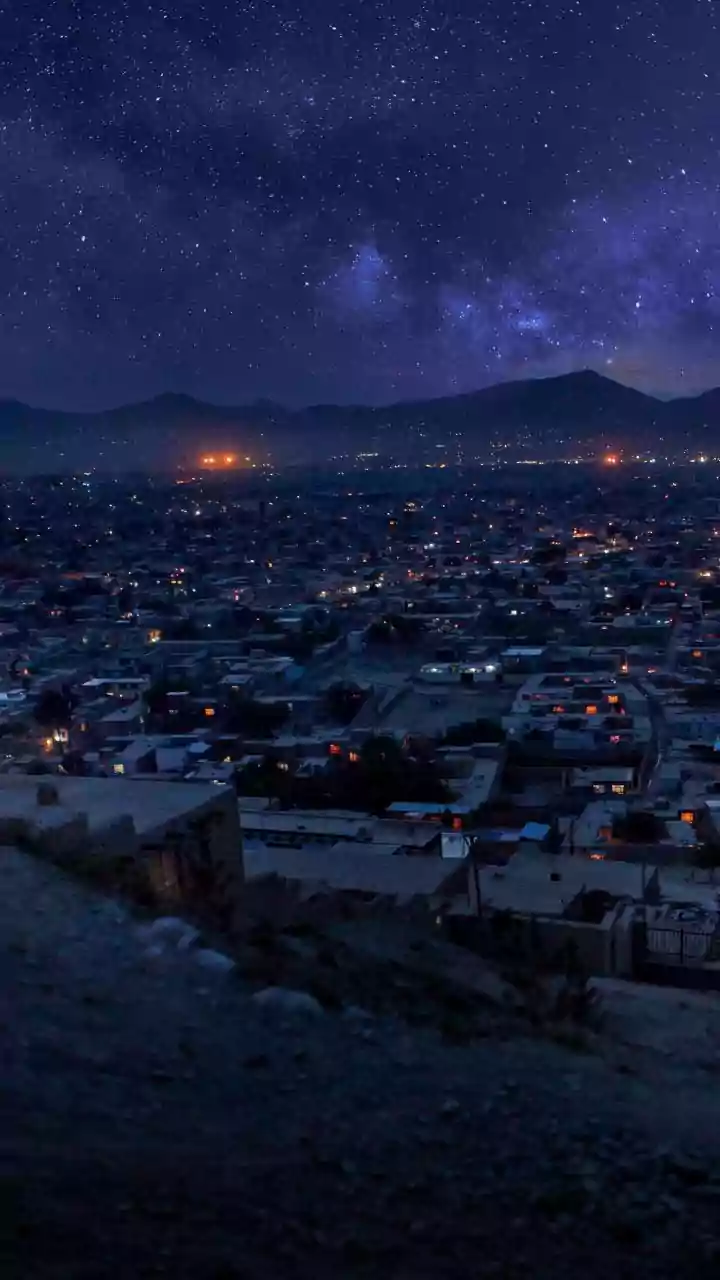
experiences that feel genuinely new. In recent years, countries like Uzbekistan have seen a massive surge in interest, driven by eased visa rules and a generation hungry for destinations untouched by mass tourism. This is not about five-star resorts; it is about dusty roads, vibrant bazaars, and the thrill of a journey that feels truly earned.
Samarkand: A City Out of a Storybook
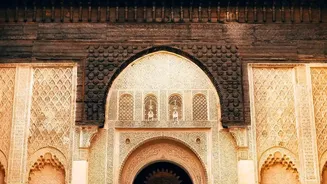
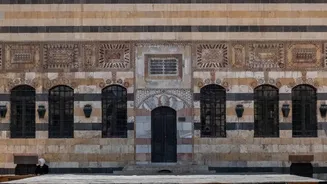
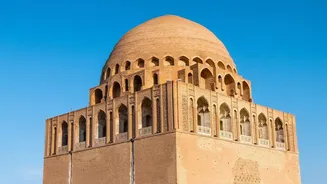
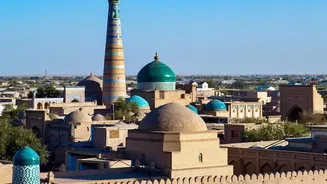
At the heart of this trend lies Samarkand, a city whose name alone whispers of history. As one of the key oases on the ancient Silk Road, its allure is timeless. Young travellers are drawn to the sheer magnificence of its UNESCO World Heritage sites, particularly the Registan—a breathtaking public square framed by three grand, mosaic-covered madrasas. Standing there feels like stepping into another century. For many, Samarkand is the glittering prize at the end of the overland trail, a place that looks just as stunning in real life as it does in photos, offering a tangible connection to the conquerors and poets who walked its streets.
The Journey Is the Destination
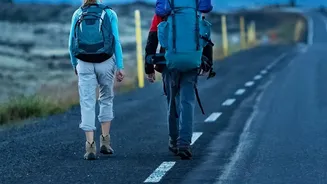
A key part of the appeal is the decision to travel overland. Instead of the sterile, placeless experience of an airport, these backpackers are opting for the slow, immersive journey by train and shared taxi. Uzbekistan's modern Afrosiyob high-speed trains connect major cities like Tashkent and Samarkand cheaply and efficiently, forming what many call the 'budget backbone' of the route. For smaller towns and more spontaneous detours, they rely on 'marshrutkas'—shared minivans that depart when full. This mode of travel guarantees interaction, unpredictability, and a ground-level view of the country that flying can never provide. The exhaustion is real, but so is the reward of seeing the landscape change mile by mile.
Adventure That Doesn't Break the Bank
Perhaps the most significant driver of this trend is affordability. Central Asia offers an epic travel experience at a fraction of the cost of a traditional Western holiday. Backpackers report comfortable daily budgets of around $35 to $50 (approximately ₹3,000 to ₹4,200), which covers stays in character-filled guesthouses, hearty meals at local teahouses, and transportation. In a world of rising travel costs, the ability to have a rich, multi-week adventure without draining your savings makes the region incredibly attractive to students and young professionals. The value is not just in the low prices, but in the richness of the experience that money buys.
Fuelled by the Social Media Feed
It is impossible to ignore the role of social media in Central Asia’s rise. The region is spectacularly photogenic, from the turquoise domes of Samarkand to the sweeping mountain landscapes of Kyrgyzstan. Platforms like Instagram and TikTok are filled with videos showcasing the vibrant blue lakes and intricate mosaics, framing Central Asia as a uniquely beautiful and adventurous destination. Captions reading “Why you must visit the Silk Road” or “5 things I wish I knew before backpacking Uzbekistan” are stoking curiosity and providing a visual roadmap for a new wave of travellers looking to create their own legendary journeys.
A Guide for the Indian Traveller
For Indian adventurers, this trail is more accessible than ever. While a direct overland journey from India is geographically complex, the typical route involves flying into a regional hub like Tashkent, the capital of Uzbekistan, and beginning the overland portion from there. In a significant move to boost tourism, Uzbekistan has simplified its visa process for Indian citizens. An easy-to-use e-visa system is in place, and some reports even indicate a 30-day visa-free entry is possible. However, as visa rules can change, it is absolutely essential for travellers to check the latest requirements on the official government portal before making any bookings. With a little planning, the path to the Silk Road is wide open.