



The End of Mindless Munching
A quiet revolution is unfolding in the grocery aisles and on the quick commerce apps of India. The humble snack, long associated with indulgence and fleeting cravings, is undergoing a profound identity crisis. Consumers are no longer just reaching for
the crispiest chip or the sweetest biscuit. Instead, they are pausing, turning over the packet, and making conscious choices based on what’s inside. This shift marks a significant move from impulse buys to intentional purchases, where nutritional value is a key player. The Indian healthy snacks market, valued at over USD 3 billion, is projected to grow significantly, with some estimates suggesting a compound annual growth rate (CAGR) of around 8%. This isn't just a niche trend confined to metro elites; it reflects a broader, more democratised awareness of health and wellness spreading across the country.
Decoding the Back of the Pack
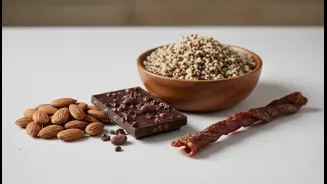
The new Indian snacker is an informed one. According to a recent survey, a staggering 86% of respondents consider protein an important factor when choosing a snack, with nearly a third willing to pay more for protein-rich options. This focus on protein is moving it from a concern for gym-goers to an everyday nutritional goal for the masses. But it doesn't stop there. Ingredient transparency is now a crucial factor, with 62% of consumers stating it's the most important consideration, ranking higher than celebrity endorsements. Shoppers are actively looking for 'clean labels', favouring products with natural sweeteners like jaggery and dates over refined sugar. This scrutiny is pushing brands to be more honest, as consumers become adept at spotting misleading claims and hidden additives.
What's Driving the Change?
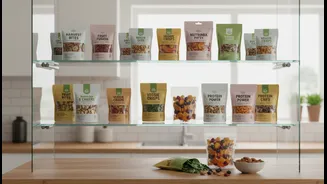
Several factors are fuelling this nutritional awakening. A greater awareness of lifestyle diseases like diabetes and obesity is a primary driver. This, combined with rising disposable incomes and increased urbanisation, has created a fertile ground for health-conscious consumption. The digital age has also played a pivotal role. Access to information is instantaneous, and social media influencers are helping decode complex food labels for the average person. Furthermore, the boom in e-commerce and direct-to-consumer (D2C) brands has made a wide variety of healthy options more accessible than ever before, with dedicated shelf space in supermarkets and rapid delivery through apps like Blinkit and Zepto.
How Brands Are Responding
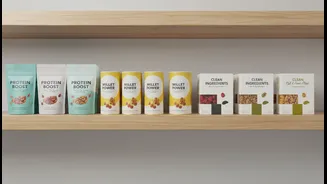
The food and beverage industry has taken notice. Legacy FMCG giants and agile startups alike are innovating to meet this new demand. The result is a wave of new products that redefine what a snack can be. Options that are baked, not fried, air-popped, or made from traditional millets like jowar are becoming mainstream. Big players like PepsiCo and ITC are launching millet-based puffs and functional beverages, while a host of D2C brands such as The Whole Truth, Yoga Bar, and Eat Better are building loyal followings based on ingredient transparency and clean formulations. Even traditional snacks are getting a healthy makeover, proving that nutrition and taste can coexist. The focus is shifting towards 'functional indulgence', where snacks are expected to provide benefits like energy, improved gut health, or immunity.