
Reading an Atmosphere From Light-Years Away
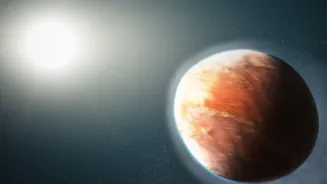
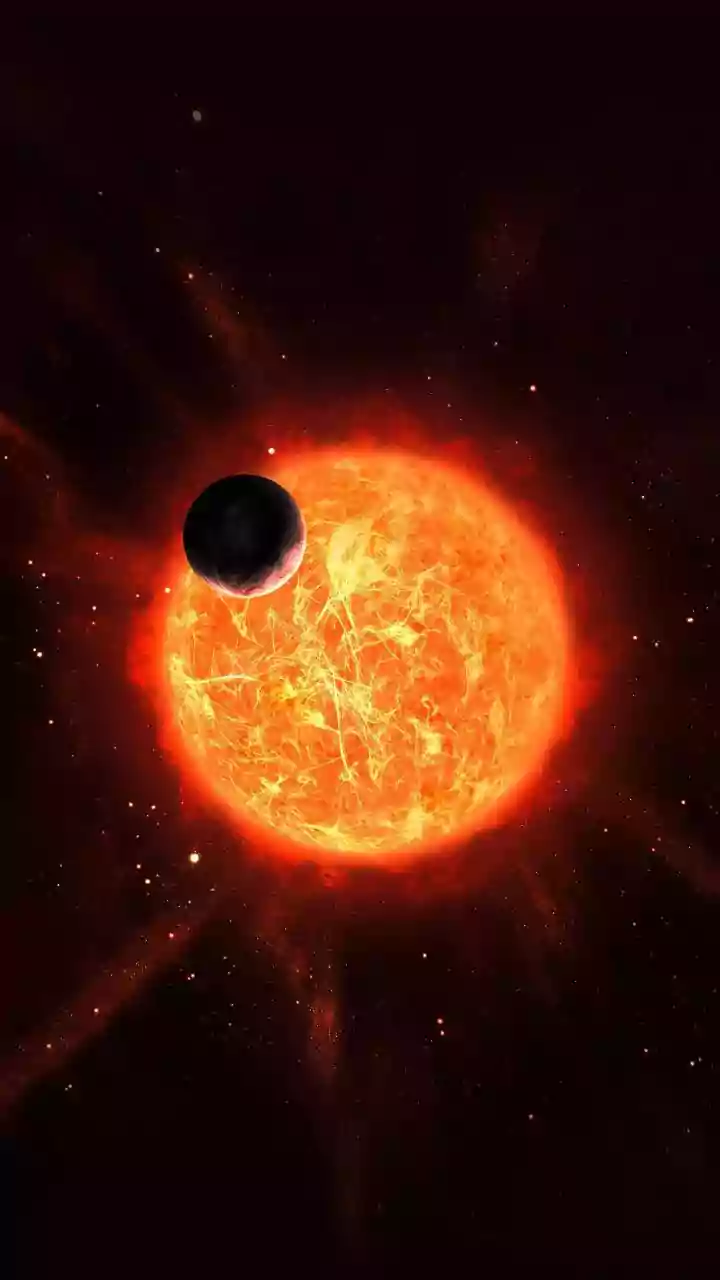
To study a planet hundreds of light-years away, astronomers use a technique called transmission spectroscopy. When an exoplanet passes in front of its host star from our perspective—an event called a transit—a tiny fraction of the starlight filters through
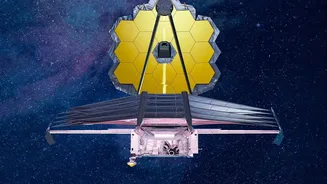
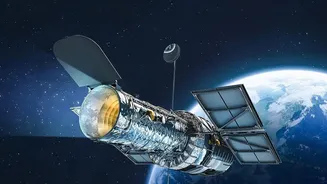
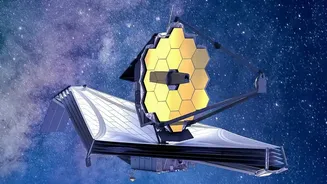
the planet's atmosphere. Gases in this atmosphere absorb specific colours, or wavelengths, of light. By analysing the starlight with powerful instruments like the James Webb Space Telescope (JWST), scientists can see which colours are missing and identify the chemical 'fingerprints' of gases like carbon dioxide. This method essentially allows them to 'read' the atmospheric composition of these distant worlds.
CO2: The Planetary Thermostat
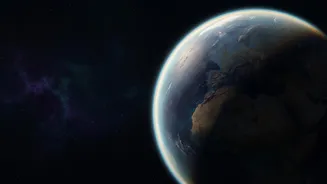
Carbon dioxide is a potent greenhouse gas, meaning it's excellent at trapping heat. On Earth, the greenhouse effect keeps our planet warm enough for liquid water and life. On Venus, a runaway greenhouse effect caused by a thick CO2 atmosphere creates scorching surface temperatures. By measuring CO2 levels on an exoplanet, scientists can estimate the strength of its greenhouse effect. This helps them calculate a planet's surface temperature and determine if it falls within the 'habitable zone'—the 'Goldilocks' region around a star where conditions are just right for liquid water to exist on the surface.
A New Signature of Habitability
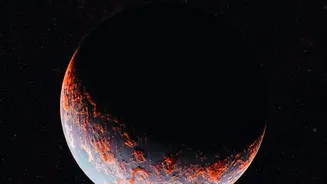
Recently, scientists have proposed a new way to use CO2 as a sign of habitability. The theory suggests comparing the CO2 levels of rocky planets within the same star system. On Earth, a huge amount of atmospheric carbon dioxide has been dissolved into our oceans and absorbed by life over geological timescales. Therefore, if astronomers find a rocky planet with significantly less CO2 in its atmosphere compared to its neighbours, it could imply the presence of large oceans that have sequestered the gas. This 'carbon dioxide depletion' could become a key indicator for identifying planets with large bodies of liquid water, a crucial ingredient for life as we know it.
More Than Just One Clue
While CO2 is a vital piece of the puzzle, it doesn't tell the whole story. The presence of carbon dioxide helps scientists understand a planet's history and formation. However, to get a full picture of habitability and search for signs of life, or biosignatures, researchers look for a combination of gases. For example, detecting CO2 alongside oxygen could be a compelling sign. On Earth, life is a primary source of oxygen, and finding both gases together could point to biological processes on another world. Instruments like JWST are capable of detecting a wide array of these molecules, from water vapour and methane to ozone.
The Power of Modern Telescopes
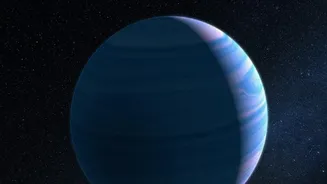
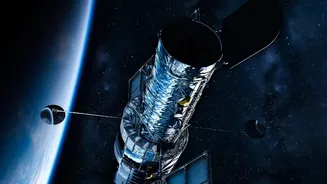
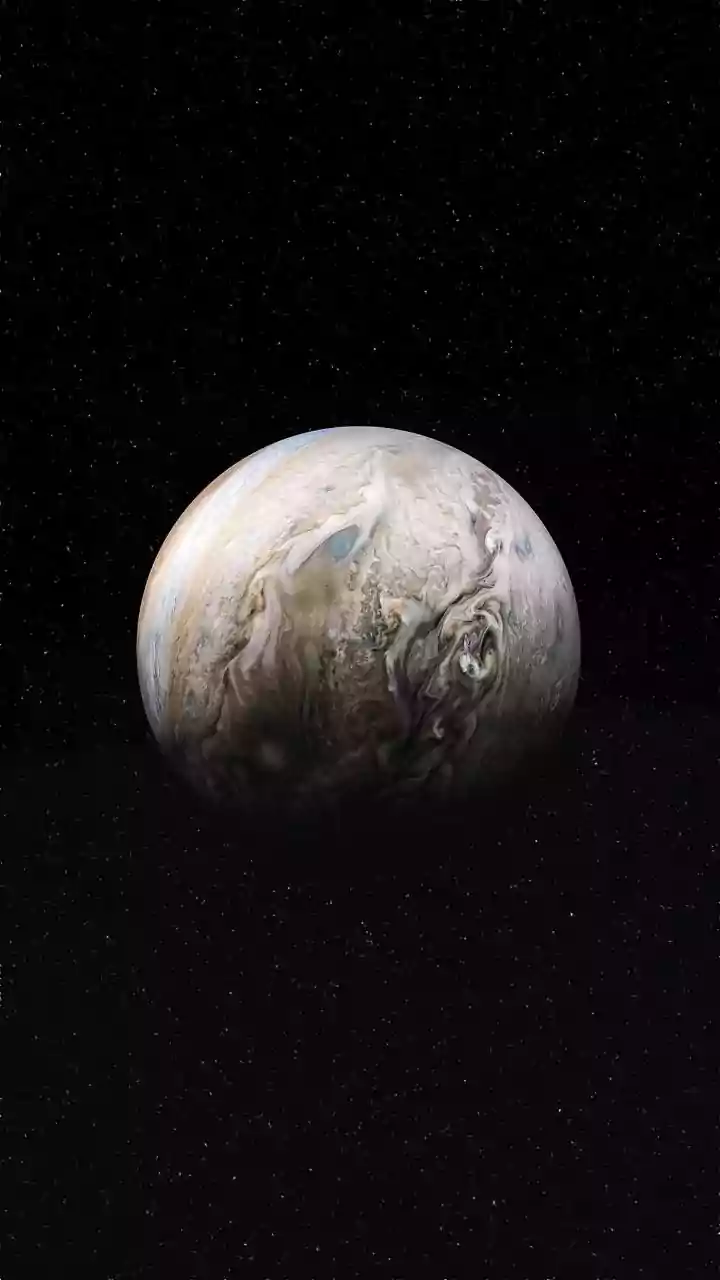
These atmospheric investigations have been revolutionized by the James Webb Space Telescope. Its unparalleled sensitivity to infrared light—the range where CO2 leaves a distinct signature—has allowed for the first definitive detection of carbon dioxide in an exoplanet's atmosphere. In 2022, JWST found clear evidence of CO2 in the atmosphere of WASP-39 b, a gas giant 700 light-years away. This landmark discovery was a powerful demonstration of the telescope's capability and proved that it has the precision to detect these gases even in the much thinner atmospheres of smaller, rocky, Earth-like planets, bringing us one step closer to finding a true Earth twin.