





The Plastic Problem We All Know
From overflowing landfills to clogged drains and polluted coastlines, India's battle with plastic waste is a daily reality. The country generates millions of tonnes of waste annually, with a significant portion being single-use plastics from packaging
that are used for mere minutes but persist in the environment for centuries. In response, government bodies have enacted bans on single-use plastics and corporations are feeling the pressure from consumers to find greener alternatives. This has created a critical need for solutions that are not just eco-friendly but also practical and scalable, paving the way for a new generation of material science.
From the Ocean, a Potent Solution
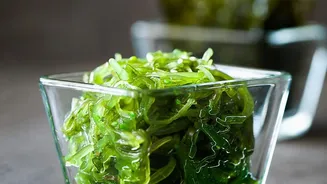
Enter seaweed. This humble marine algae is emerging as a powerful contender in the quest to replace plastic. Unlike land-based crops used for some bioplastics, seaweed requires no freshwater, fertilisers, or soil to grow. In fact, its cultivation is actively good for the environment; it absorbs carbon dioxide, helping to de-acidify oceans. The natural polymers in algae can be extracted and transformed into materials that mimic the properties of plastic—they can be made into flexible films, grease-proof coatings, and even moulded containers. The best part? This packaging is designed to be fully biodegradable and compostable, breaking down in weeks without leaving behind harmful microplastics.
Meet the Indian Seaweed Pioneers
Several Indian startups are at the forefront of this green revolution. Pune-based Zerocircle, founded by Neha Jain, is making waves by creating ocean-safe and even edible packaging from locally sourced seaweed. The company procures its raw materials from farming communities in states like Gujarat and Tamil Nadu, boosting local coastal economies. Another key player is Bangalore-based Sea6 Energy, which was founded in 2010 and is a pioneer in mechanised ocean farming technology. They are developing a range of bioplastics, including compostable films and heat-sealable coatings for food packaging, aiming to make seaweed a commercially viable alternative to plastic. These companies, along with others like Pune's Go Do Good, are not just creating products; they are building a new, circular ecosystem.
From Lab to Takeaway Boxes
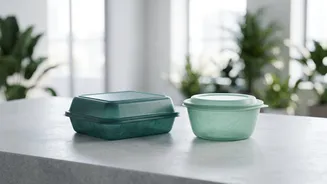
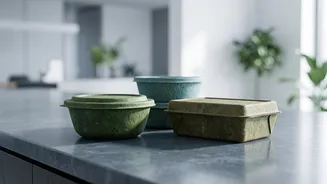
This innovation is already moving out of the lab and into the real world. Zerocircle has partnered with major food delivery platforms like Swiggy and Zomato to introduce seaweed-coated, microplastic-free takeaway boxes. In one campaign for International Burger Day, Swiggy rolled out 30,000 orders in these innovative containers across major cities like Mumbai and Delhi, proving the concept can work at the scale of India's fast-paced delivery market. These applications demonstrate that algae-based materials can provide the grease- and leak-proof performance required for food packaging without the toxic chemicals, known as PFAS, often found in conventional containers.
Hurdles on the Path to Scale
Despite the immense promise, the journey to widespread adoption has its challenges. Currently, the cost of seaweed-based packaging can be higher than that of traditional plastic, although innovators like Zerocircle expect to significantly reduce this premium as they scale. Expanding seaweed cultivation sustainably is another hurdle, requiring careful management to protect marine ecosystems while meeting demand. Furthermore, while the technology exists, scaling up production to replace even a fraction of the plastics used daily in India requires significant investment in infrastructure and technology. Regulatory support and continued consumer demand for sustainable options will be crucial for these green businesses to truly flourish.