




The Rise of the Conscious Kitchen
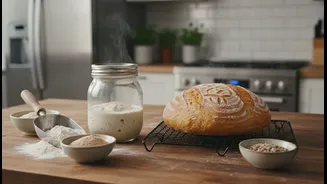
The sourdough boom, which took hold during the pandemic lockdowns, has left a lasting legacy. What started as a hobby to pass the time has matured into a more mindful practice. For many urban millennials, the kitchen is no longer just a place to cook;
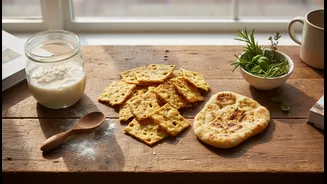
it's a space for creative expression and a statement of values. The focus has shifted from simply making food to understanding its entire lifecycle. This consciousness is at the heart of the eco-baking trend, where every ingredient is valued and waste is seen as a failure of imagination. Using sourdough discard—the portion of starter removed before feeding—is a perfect example of this ethos in action. Instead of being thrown away, it's being repurposed into everything from pancakes and crackers to cookies and pizza bases.
Sustainability Meets Savings
At its core, the trend is driven by a powerful combination of environmental awareness and practicality. For a generation increasingly concerned about its ecological footprint, zero-waste cooking is more than a hashtag; it's a tangible way to make a difference. India as a whole wastes millions of tonnes of food annually, a fact that resonates with a generation that is both globally connected and locally rooted. Using sourdough discard aligns perfectly with the principles of root-to-stem or nose-to-tail cooking, which have long been part of traditional Indian culinary wisdom but are now being rediscovered by a new generation. This is not just about saving the planet; it's also about saving money. In a time of rising costs, making the most of every ingredient is just smart economics.
A Tangible Hobby in a Digital World
In an age dominated by screens, the hands-on, almost meditative process of baking offers a welcome respite. Maintaining a sourdough starter requires patience, observation, and a daily ritual—a commitment that many find grounding. This return to tangible, traditional skills is a recurring theme among millennials seeking authenticity in a fast-paced world. Yet, the trend is also deeply intertwined with digital culture. Social media platforms like Instagram are flooded with images of crackling crusts and inventive discard recipes, creating a vibrant community of home bakers who share tips, triumphs, and techniques. This blend of offline craft and online community has been crucial to its spread, especially in urban centres like Delhi, Mumbai, and Bengaluru where artisanal food culture is thriving.
Health, Flavour, and Creative Freedom
Beyond the sustainability and psychological benefits, sourdough discard and eco-baking appeal to a growing interest in healthier, more flavourful food. The fermentation process in sourdough makes it easier to digest and can even lower its gluten content and glycemic index. Using the discard in other recipes can pass on some of these benefits. Moreover, the discard adds a complex, tangy flavour that elevates simple dishes, offering a new palette for the experimental home cook. It’s this creative freedom—the ability to turn a byproduct into something delicious and unique—that truly captures the spirit of the modern home baker. It transforms a routine task into an opportunity for innovation, proving that the most satisfying meals are often the ones that honour every last scrap.