



Why Damp Is a Nightmare for Wooden Furniture
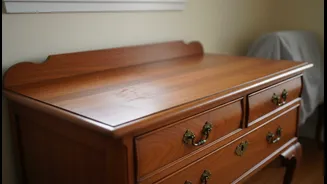
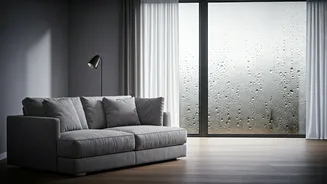
Wood is a natural material that breathes, absorbing and releasing moisture from the air. During the Indian monsoon, when humidity levels can soar, this becomes a major problem. Excess moisture causes wood fibres to swell, which is why drawers get stuck
and cabinet doors refuse to close properly. This repeated cycle of swelling in the monsoon and shrinking in drier weather can weaken joints, cause cracking, and encourage the growth of mould and mildew. For renters, the challenge is greater as you have less control over the building's structural integrity, making your valuable furniture particularly vulnerable to damage from dampness seeping through walls or floors.
The Pre-Move-In Damp Inspection
Before you sign the lease or move a single box, play detective. A thorough inspection can save you from future heartbreak and financial loss. First, trust your nose. A persistent musty or earthy smell is a major red flag for hidden mould. Look for visual clues like dark stains or discolouration on walls and ceilings, peeling paint, or bubbling plaster. Pay special attention to corners, areas behind wardrobes, and under sinks in the kitchen and bathroom. Check for swelling skirting boards and feel if walls are damp to the touch. Also, inspect the building's exterior for blocked gutters or cracked walls, as these can be sources of penetrating damp.
Create a Defensive Strategy Before Unloading
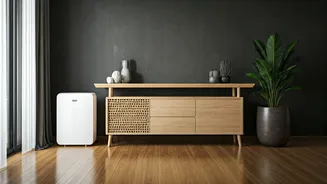
Once you have the keys, but before the movers arrive, take some preventative steps. The first is strategic placement. Plan to keep all wooden furniture at least three to six inches away from the walls, especially external ones. This gap allows for air circulation and prevents moisture from transferring directly from a damp wall to the back of your wardrobe or bed. Also, consider using rubber or felt pads under furniture legs. This elevates them slightly from potentially damp tiled or stone floors, preventing moisture from wicking upwards.
Your Arsenal of Damp-Fighting Tools
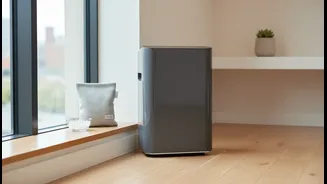
You don't need expensive equipment to manage humidity. Simple, low-cost solutions can be very effective. Place moisture absorbers like silica gel packets, camphor balls, or even activated charcoal inside wardrobes and drawers. These are inexpensive and work well to absorb dampness in enclosed spaces. For a DIY solution, a bowl of baking soda can help reduce humidity in smaller areas like cabinets. On days when it's not raining, ensure good cross-ventilation by opening windows to let fresh air circulate. Running ceiling fans can also help keep the air moving, which discourages mould growth.
Long-Term Care and Maintenance Habits
Protecting your furniture is an ongoing process. Make it a habit to wipe down all wooden surfaces with a clean, dry cloth regularly. This removes surface moisture before it can penetrate the wood. Avoid using a wet cloth for cleaning, as this can do more harm than good. Before the monsoon hits, it's a good idea to apply a protective coat of wax or polish. This acts as a sealant, creating a barrier against moisture. If you have an air conditioner, running it on the 'dry' mode can significantly reduce indoor humidity levels. Also, try to avoid drying clothes indoors, as this releases a large amount of moisture into the air.