







Understanding the Enemy: Why Your Garden is a Target
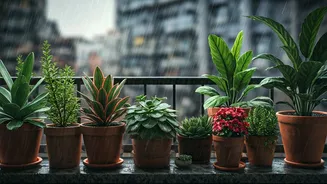
Your beautiful terrace garden, with its lush foliage and frequent watering, can quickly become a perfect breeding ground for mosquitoes. These insects thrive in humid conditions and are drawn to any amount of standing water, no matter how small. During
the monsoon, rainwater collects in plant pot saucers, decorative urns, clogged drains, and even discarded items. A female mosquito needs only a tiny pool of stagnant water—sometimes as little as a bottle cap's worth—to lay hundreds of eggs. Within a week, these can mature into biting adult mosquitoes, turning your serene space into the source of an infestation. Understanding this life cycle is the first step to reclaiming your garden.
The First Commandment: Eliminate Standing Water
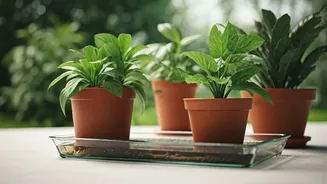
The single most effective action you can take is to relentlessly eliminate standing water. This disrupts the mosquito breeding cycle at its source and costs nothing. Make it a weekly, if not daily, habit to conduct a 'water audit' of your terrace. Empty the saucers under your flowerpots; they are one of the most overlooked breeding spots. If you have air coolers, ensure the water is changed every few days. Check for clogged gutters or drainage pipes where leaves and debris can cause water to stagnate. Turn over empty buckets, unused pots, and children's toys. Even the folds in a plastic tarp can collect enough rainwater to breed mosquitoes. A consistent routine is your best defence.
Plants as Your Green Guardians
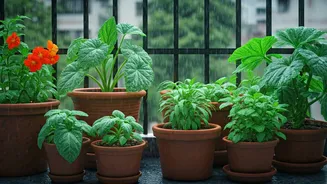
While you work on eliminating breeding spots, you can also enlist your plants as allies. Several plants are known for their natural mosquito-repelling properties, releasing strong scents that confuse mosquitoes and mask the human odours that attract them. Marigolds are a popular choice in India; they are easy to grow and contain Pyrethrum, a compound used in many natural insecticides. Lemongrass and Citronella are famous for their distinct smell, which is a key ingredient in many commercial repellents. Placing pots of Tulsi (Holy Basil), Mint (Pudina), and Rosemary near windows and seating areas can also help create a protective barrier. While these plants won't create an impenetrable force field, they add an effective layer to your defensive strategy.
Smart Garden Maintenance for Fewer Bites
Beyond water management, general garden upkeep can make a significant difference. Mosquitoes prefer to rest in cool, dark, and damp areas during the day. Dense, overgrown foliage provides the perfect hiding spot. Regularly trim and prune your plants to improve air circulation and allow more sunlight to penetrate, making the environment less hospitable for them. Avoid overwatering your plants, as consistently damp soil can also attract pests. Keeping your garden tidy by removing piles of leaves and other debris eliminates potential resting places for adult mosquitoes. A well-maintained garden is not only more beautiful but also a less inviting habitat for these unwelcome insects.
Adding Extra Layers of Protection
For evenings spent on the terrace, you may need additional protection. Natural options like citronella candles or diffusers with essential oils like eucalyptus or lavender can be effective in a small, targeted area, especially when there's little breeze. Installing mesh screens on doors and windows leading to the terrace is a highly effective physical barrier that allows for ventilation while keeping pests out. For personal protection, wearing light-coloured, long-sleeved clothing can reduce your attractiveness to mosquitoes. If the mosquito problem becomes severe, especially in areas with high rates of vector-borne diseases, you might consider professional pest control services that offer targeted fogging or anti-larval treatments as a last resort.