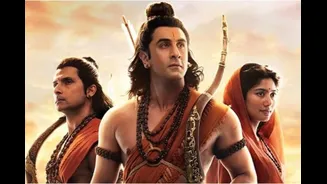








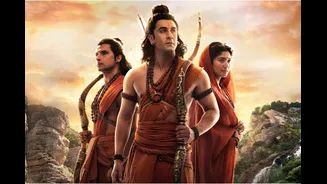
The numbers are staggering, but they only tell part of the story. Nitesh Tiwari’s ‘Ramayana’ has become a cinematic juggernaut, shattering records not just in India, but across the globe. How did this ancient epic become a 21st-century blockbuster?
A Box Office Behemoth
Since
its release on November 5, ‘Ramayana: Part 1’ has been on a relentless record-breaking spree. As of November 25, the film has stormed past the ₹1,735 crore mark at the worldwide box office, making it one of the highest-grossing Indian films of all time. It became the third-fastest Indian film to cross the coveted ₹1,000 crore milestone, achieving the feat in just eight days. The film's domestic performance has been monumental, with its India gross collection standing at over ₹1,162 crore. But the real story lies in its overseas performance, which has been nothing short of phenomenal, contributing a massive ₹573 crore to its global total. This isn't just a hit; it's a declaration of Indian cinema's arrival as a global force.
Beyond the Traditional Diaspora
For years, the international success of Indian films was largely attributed to the loyal South Asian diaspora. ‘Ramayana’ has emphatically rewritten that script. A significant portion of its overseas earnings, which account for nearly 33% of its total, comes from non-traditional markets and non-Indian audiences. The film has seen sensational, record-breaking runs in Southeast Asian countries like Indonesia, Cambodia, and Thailand, where local versions of the epic have been part of the culture for centuries. Perhaps most surprisingly, it shattered records in Vietnam, a market typically difficult for Indian films to crack, earning over ten times what a standard Indian release might expect. This success points to a broader appeal, suggesting that audiences worldwide are connecting with the story on a fundamental level, transcending cultural and linguistic barriers.
Universal Themes, Modern Spectacle
At its core, the Ramayana’s themes of duty (dharma), love, sacrifice, and the eternal battle between good and evil are universal. Director Nitesh Tiwari has successfully translated this timeless narrative into a language that a 21st-century global audience can understand and appreciate. The film marries this powerful story with breathtaking visual effects and a grand production scale, which international critics have praised even when they were critical of the film's length. The stunning visuals, combined with a powerful score from A.R. Rahman and Hans Zimmer, have created an immersive cinematic experience that has left audiences in awe. The performances of Ranbir Kapoor as Lord Ram, Sai Pallavi as Sita, and Yash as Ravana have also been widely lauded for bringing depth and humanity to these iconic characters.
A New Blueprint for Global Success
The triumph of ‘Ramayana’ was not accidental; it was the result of a meticulously planned global strategy. The filmmakers pursued international audiences with conviction, releasing the film with high-quality dubbed versions in nearly 40 languages. The use of AI to perfect lip-syncing for these localisations shows an incredible attention to detail. The film’s premiere in Los Angeles and its record-breaking IMAX opening worldwide signal a clear intent to compete on the same stage as major Hollywood franchises. This success provides a new blueprint for Indian filmmakers, proving that if an Indian story is told with authenticity, conviction, and world-class production values, the world is ready to listen—and buy a ticket. It demonstrates that Indian cinema no longer needs to wait to be ‘discovered’ on streaming; it can command attention in theatres globally from day one.