






The Rise of the Micro-Cation
The traditional two-week annual leave is no longer the only option for Indian travelers. A significant shift is underway, driven by a desire for more regular breaks. Instead of one long holiday, a growing number of Indians, particularly millennials and
Gen Z, are opting for multiple short trips throughout the year. These 'micro-cations', often lasting just two to four days, are designed to fit into busy work schedules and take advantage of long weekends. This trend reflects a move toward travel that is easier to plan and repeat, allowing getaways to be woven into the fabric of daily life rather than being a once-a-year event. According to a recent Airbnb report, seven in ten Gen Z individuals now prefer taking three short trips over one long annual holiday.
Experiences Over Itineraries
This new travel mindset isn't just about duration; it's about depth. Modern Indian travelers are moving away from checklist tourism, where the goal is to see as many sights as possible. Instead, the focus is on the quality of the experience. For younger generations, trips are increasingly defined by what they want to do rather than just where they want to go. This could mean a weekend dedicated to a food festival, a wellness retreat focused on yoga and meditation, an adventure trip for trekking, or a journey centered around a cultural event like the Hornbill Festival. A recent report highlighted that 75% of respondents are now opting for holidays rooted in unique experiences. Even accommodation is now part of the experience, with many travelers choosing unique stays over standard hotels.
What's Driving the Shift?
Several factors are fueling this evolution in travel habits. The post-pandemic era has instilled a 'live for now' attitude, encouraging people to seize opportunities for leisure. The rise of hybrid and remote work models offers greater flexibility, allowing professionals to blend work and travel. Furthermore, increased disposable incomes among a segment of the urban population and the accessibility provided by budget airlines and improved road infrastructure have made short trips more feasible. Social media also plays a role, inspiring travelers to seek out unique and shareable moments. For Gen Z, travel has become a form of self-expression; one survey found that 87% believe how they travel reflects who they are as a person.
Quality Comes at a Price
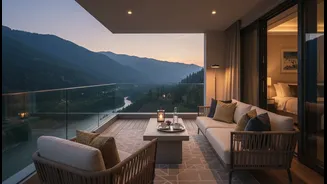
While the trips may be shorter, travelers are not necessarily cutting costs. In fact, many are willing to spend more on quality and comfort for their brief escapes. This trend sees travelers spending more per day on premium experiences, whether it's a luxury hotel stay, a gourmet food tour, or a specialized workshop. A report from Scapia noted that despite shorter trip durations, nearly 62% of hotel bookings were for four and five-star properties, indicating a preference for a premium experience concentrated into a shorter window. This willingness to spend underscores the core of the new travel mindset: the value of a trip is measured by the richness of the experience, not the number of days away.
The Industry Adapts
The travel and hospitality industry is taking note and adapting to this new demand. Hotels are curating special weekend packages, travel companies are offering themed micro-tours, and booking platforms are highlighting unique, experience-led stays. There's a growing emphasis on destinations that are easily accessible for a weekend trip, leading to the rise of lesser-known spots near major cities. From boutique farmhouses to luxury wellness centers, the market is responding with options that cater to the desire for quick, restorative, and memorable getaways. This pivot is also visible in the rise of spiritual tourism and event-based travel, with younger travelers planning trips around concerts and festivals.