



Embrace the Monsoon Reality
Hoping for clear skies during an August long weekend in India is optimistic at best. The Southwest Monsoon is active, turning landscapes lush and green but also bringing the risk of travel disruptions. Heavy rainfall can lead to waterlogged roads, flash
floods, landslides, and significant delays for flights and trains. Ignoring the weather forecast isn't just inconvenient; it can be dangerous, especially in hilly or coastal regions. Acknowledging the monsoon's power is the first step toward a smarter travel plan. The goal isn't to avoid the rain, but to prepare for it, ensuring your holiday is memorable for the right reasons.
Your Pre-Trip Weather Checklist
Proactive planning starts with reliable information. Begin monitoring the weather forecast for your chosen destination about a week before your trip. The India Meteorological Department (IMD) is the official source for weather alerts across the country. Use their website or mobile apps to check for district-level forecasts, which are more specific than state-wide updates. Pay close attention to warnings about heavy rainfall, thunderstorms, or strong winds. Also, research your route. Check if the highways or local roads are prone to flooding or landslides, which are common in states like Himachal Pradesh, Uttarakhand, and parts of the Western Ghats during this season.
Decoding IMD's Colour-Coded Alerts
The IMD uses a simple colour-coded system to communicate the severity of weather conditions. Understanding it is key to making informed decisions. A 'Green' alert means 'No Advisory,' and you can proceed with your plans. A 'Yellow' alert means 'Be Aware,' signaling a possibility of deteriorating weather that could cause disruptions. An 'Orange' alert means 'Be Prepared,' indicating a higher likelihood of intense rain, which could disrupt transport and power. A 'Red' alert is the most serious, meaning 'Take Action.' It warns of extremely severe weather with a high risk to life and property, often advising against travel entirely. Always heed red and orange alerts, as they are issued for your safety.
Smart Destination and Route Planning
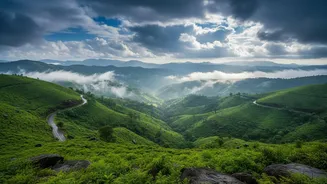
Not all destinations are created equal during the monsoon. While places like Coorg, Munnar, and Udaipur can be beautiful in the rains, regions prone to extreme events like landslides should be approached with caution. If heavy rain is forecast, consider destinations closer to home to minimize travel time and risk. Always have a flexible itinerary and a Plan B. Building buffer time into your schedule is crucial, as delays are common. Avoid night driving, especially in hilly areas where visibility is poor and the risk of falling debris is higher after dark. If a road looks flooded, do not attempt to cross it; it's always better to wait or find an alternate route.
Pack for Wet and Unpredictable Conditions
Your packing strategy should focus on staying dry and comfortable. Prioritize quick-drying synthetic fabrics like polyester over cotton, which takes a long time to dry in high humidity. A lightweight, waterproof rain jacket or poncho is more practical than an umbrella, which can be useless in strong winds. Pack waterproof footwear with a good grip, like rubber sandals or floaters, instead of shoes that will get waterlogged. Essentials include a waterproof cover for your backpack, ziplock bags or dry bags for electronics and documents, insect repellent, a basic first-aid kit, and a power bank for your phone in case of delays or power cuts.