


The Rhythmic Release of Dance
Dance is a powerful tool for managing stress, primarily through energetic, expressive movement. When you dance, your body engages in vigorous physical activity that boosts your heart rate. This process stimulates the production of endorphins, which are
often called the body's 'feel-good' chemicals, acting as natural mood elevators. At the same time, this physical exertion helps lower levels of the stress hormone cortisol. The combination of music, rhythm, and movement can also have a meditative effect, allowing you to disconnect from daily anxieties and focus entirely on the present moment. Beyond the chemical changes, dance offers a unique outlet for emotional expression, which can be therapeutic in itself.
The Mindful Stillness of Yoga
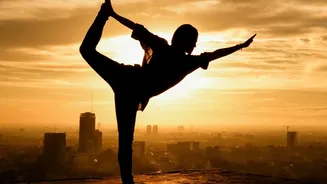
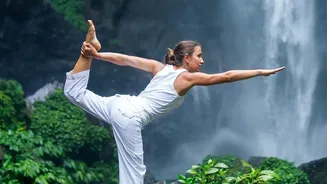
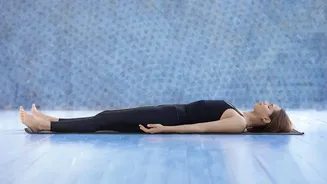
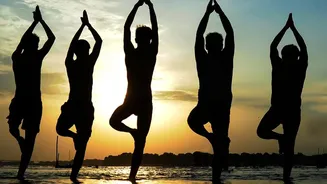
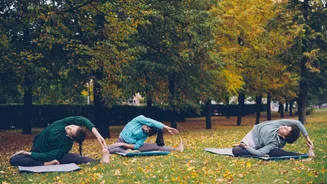
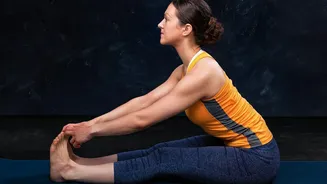
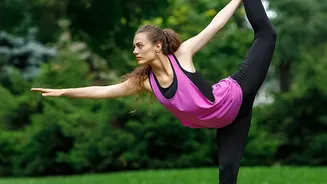
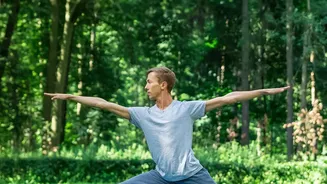
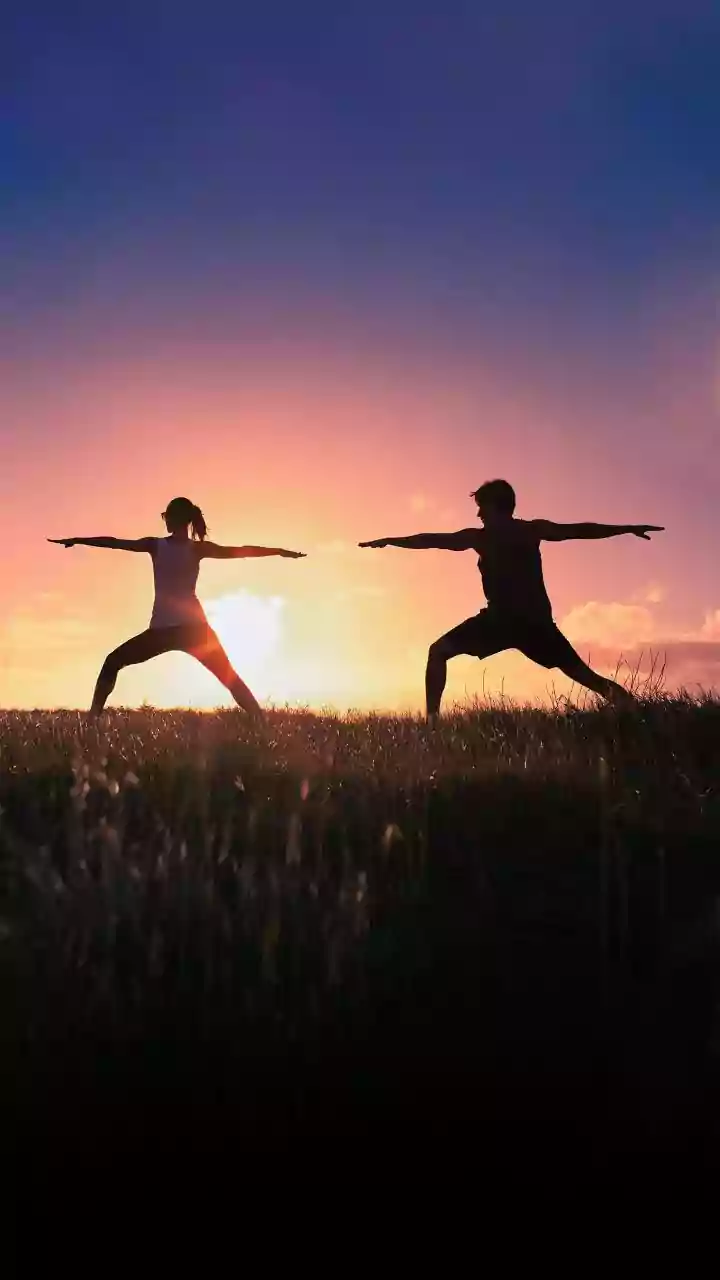
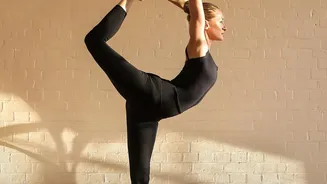
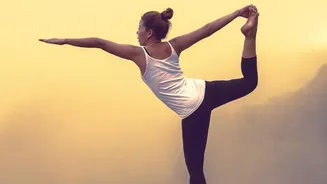
Yoga takes a different path to stress reduction, focusing on calming the nervous system through deliberate postures, meditation, and controlled breathing (pranayama). The core of yoga's effectiveness lies in its ability to activate the parasympathetic nervous system, also known as the 'rest-and-digest' system. Slow, deep breathing techniques, such as Ujjayi breath, directly stimulate the vagus nerve, which helps lower heart rate, reduce blood pressure, and promote a sense of calm. Studies have shown that a consistent yoga practice can lead to a statistically significant reduction in cortisol levels and may increase levels of GABA, a neurotransmitter that helps regulate anxiety. This practice fosters mindfulness, encouraging an awareness of the present moment without judgment, which helps break the cycle of anxious thoughts.
Community vs. Introspection
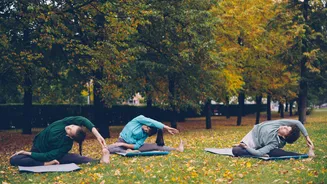
Another key difference lies in the social and emotional experience. Dance is often a highly social activity. Whether in a class or a social setting, dancing with others can foster a strong sense of community and connection. Moving in sync with other people has been shown to enhance social bonding and even increase the release of endorphins. This shared experience can combat feelings of isolation and build self-esteem. Yoga, while it can be practiced in a group, is fundamentally an introspective journey. The focus is turned inward, promoting self-awareness, emotional regulation, and a deeper connection with your own body and mind. The practice encourages you to sit with your thoughts and feelings, observing them rather than reacting to them.
Which Is Right for Your Stress?
Choosing between yoga and dance depends largely on your personality and what you need in a moment of stress. If you feel pent-up, antsy, or full of frustrated energy, the high-energy, cardio-intensive nature of dance might be the perfect outlet to 'burn off' stress and boost your mood through cathartic expression. It is particularly effective for those who find release through music and social interaction. On the other hand, if you feel overwhelmed, anxious, or mentally scattered, yoga's gentle, methodical, and breath-focused approach may be more beneficial. It is designed to quiet the mind, regulate the body's stress response, and restore a sense of inner peace and balance. Some studies comparing the two have found yoga to have a more statistically significant impact on reducing perceived stress levels, particularly due to its emphasis on breathwork and nervous system regulation.