






Why 'Rest' Is Where You Get Stronger
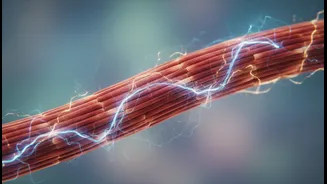
It might feel counterintuitive, but the actual gains from your workout don't happen while you're lifting, running, or pushing your limits. That's when you're creating the stimulus. Intense exercise causes microscopic tears in your muscle fibers. It's
during the recovery period afterward that your body gets to work repairing these tears, rebuilding the muscle fibers stronger and more resilient than before. This biological process, called adaptation, is how you improve. Without sufficient recovery, your body remains in a state of breakdown, which can lead to performance plateaus, burnout, and an increased risk of injury. Recovery isn't just passive downtime; it’s an active process where your body builds the fitness you've worked for.
Sleep: Your Non-Negotiable Recovery Tool
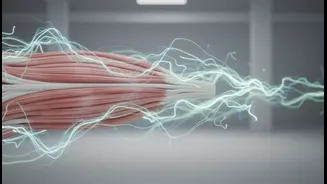
If there's one magic bullet for recovery, experts agree it's sleep. During deep sleep, your body releases growth hormone, which is crucial for muscle repair and growth. Sleep also allows your central nervous system—the command center for your muscles—to recharge after the stress of intense training. Chronic sleep deprivation can impair this process, reduce reaction time, and even increase your risk of getting injured. Aiming for a consistent 7-9 hours of quality sleep per night is one of the most effective ways to ensure your body is reaping the full benefits of your training. Establishing a regular sleep schedule and creating a cool, dark, and quiet environment can significantly enhance your recovery.
Fueling the Repair Process
What you eat after a workout is just as important as the workout itself. Your body needs two key things to recover effectively: protein and carbohydrates. Protein provides the amino acids necessary to repair and rebuild those muscle tissues you broke down. Consuming protein within a couple of hours after exercise can help maximize this repair process. Carbohydrates are essential for replenishing the glycogen stores in your muscles, which are your primary energy source for physical activity. Ignoring post-workout nutrition is like asking a construction crew to rebuild a wall without supplying any bricks. Proper hydration is also a critical, yet often overlooked, component of recovery, as it helps transport nutrients and flush out metabolic waste.
The Case for Active Recovery
A day off doesn't always have to mean sitting on the couch. Active recovery, which involves performing low-intensity exercise after a tough workout or on a rest day, can be incredibly beneficial. Activities like a gentle walk, a light swim, or yoga can increase blood flow to your muscles without causing further stress. This enhanced circulation helps deliver vital nutrients and clear out metabolic byproducts that contribute to muscle soreness. Think of it as a way to gently nudge the recovery process along. Studies suggest that active recovery can help you feel less sore and more prepared for your next hard session compared to complete rest.