

Upgrade Your Grains
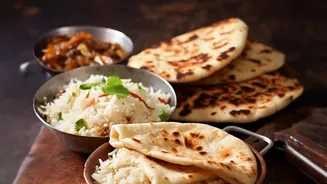
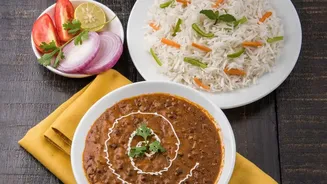
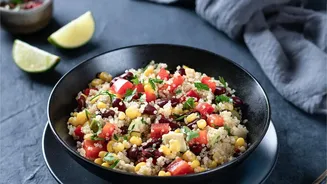
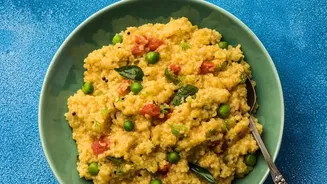
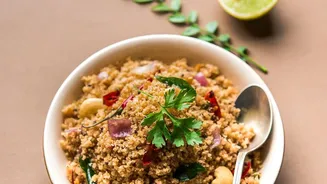
White rice and refined flour (maida) are staples in many Indian kitchens, but they are stripped of essential nutrients during processing. An easy and impactful switch is to embrace whole grains. Instead of white rice, try millets like jowar, bajra, or
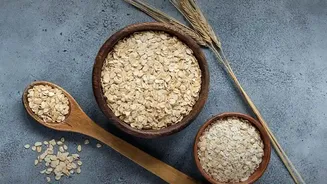
ragi. These ancient grains are making a comeback for a reason; they are packed with more fibre, protein, and essential minerals like iron and magnesium. Millets keep you feeling full for longer, helping to manage weight and provide sustained energy, a huge plus for a busy day. Similarly, when a recipe calls for all-purpose flour, consider using whole wheat flour (atta) or even nutrient-dense alternatives like oat or almond flour for baking. These small changes significantly boost the nutritional value of your rotis, breads, and other dishes.
Choose Wiser Cooking Oils
The cooking oil you use forms the base of countless meals. While refined vegetable oils are common, they aren't always the healthiest choice. For everyday Indian cooking like sautéing and tadkas, consider switching to traditional options like ghee or cold-pressed mustard oil. For frying, oils with higher smoke points such as ghee and coconut oil are stable choices. Olive oil is another excellent heart-healthy option, rich in monounsaturated fats and antioxidants, making it great for light cooking and dressings. By rotating a few different unrefined, cold-pressed oils, you introduce a variety of healthy fats and micronutrients into your diet, moving away from a single, heavily processed option.
Swap Out Refined Sugar
Hidden sugars in our diet are a major concern. Making a conscious effort to replace refined white sugar is a powerful step towards better health. Natural sweeteners offer alternatives that often come with additional, albeit minor, nutritional benefits. For your daily tea or coffee, and in desserts, consider using jaggery (gur) or dates. Both provide a rich, caramel-like sweetness and contain trace minerals. Date syrup and pure honey are also excellent for sweetening yogurt or oatmeal, though they should still be used in moderation as they contain calories. For a zero-calorie option that doesn’t impact blood sugar, plant-based sweeteners like stevia can be a good choice, especially for those managing diabetes.
Elevate Your Flavour Bases
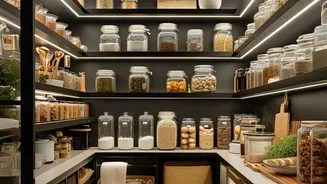
Many of us rely on packaged seasoning mixes, ketchup, and store-bought sauces for quick flavour. Unfortunately, these are often loaded with excess sodium, sugar, and artificial additives. A healthier and more flavourful approach is to stock your pantry with whole spices. Toasting and grinding your own spices takes only a few extra minutes and delivers unparalleled aroma and taste. For sauces and dressings, simple homemade versions are best. Swap high-sugar ketchup with a homemade tomato chutney. Replace creamy, high-fat salad dressings with a simple vinaigrette made from olive oil, lemon juice, and herbs. These changes not only make your food tastier but also give you complete control over the ingredients.
Rethink Your Snacks
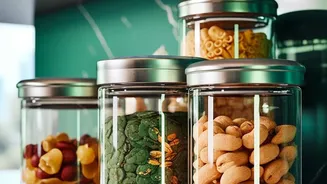
When hunger strikes between meals, it's easy to reach for a packet of chips or biscuits. Planning ahead with healthier snack swaps can make all the difference. Instead of fried potato chips, try roasted chickpeas (chana) or air-popped popcorn seasoned with your favourite spices. Swap packaged cookies and sweets for a handful of nuts and seeds like almonds, walnuts, and pumpkin seeds. These are rich in healthy fats, protein, and fibre that provide lasting energy. Another great option is to pair fruit with a nut butter that contains only nuts and salt, avoiding added sugars and hydrogenated oils often found in commercial brands.