


Day 1: Arrival and Immersion in Jaipur
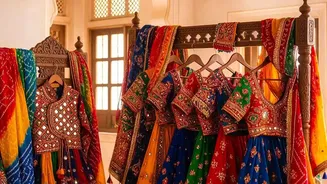
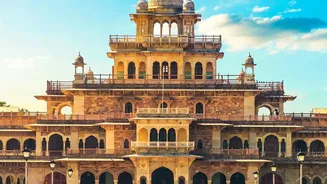
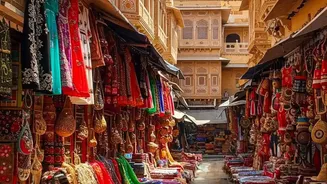
Your craft exploration begins in Jaipur, the Pink City. After settling into your accommodation, take a gentle dive into the city's vibrant atmosphere. Spend your first evening acquainting yourself with the local scene by visiting one of the city's famous
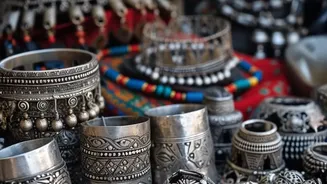
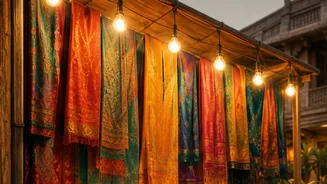
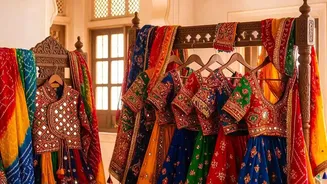
markets, like Johari Bazaar or Bapu Bazaar. While these are famous for jewellery and textiles, they offer a perfect introduction to the colours, sounds, and energy of Rajasthan. This initial foray provides a sensory preview of the incredible craftsmanship you will witness in the coming days, from the bright textiles to the gleaming metalwork that adorns the countless shops.
Day 2: The Enduring Magic of Blue Pottery
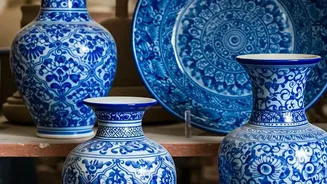
Dedicate your second day to Jaipur's most iconic craft: Blue Pottery. This Turko-Persian art form is unique as it doesn't use clay; instead, a dough is made from quartz powder, powdered glass, and other materials. Many workshops and art centres, such as the Jaipur Blue Pottery Art Centre on Amer Road, offer demonstrations and hands-on experiences. Spend the morning learning from skilled artisans as they demonstrate the painstaking process, from shaping the dough to hand-painting the distinctive cobalt blue floral and geometric motifs. In the afternoon, try your hand at painting your own tile or small pot, creating a personal souvenir of this timeless Jaipur tradition that has been given a Geographical Indication (GI) tag.
Day 3: A Tale of Two Printing Villages
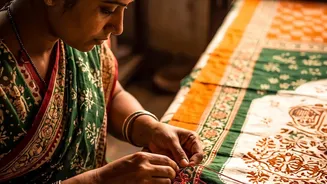
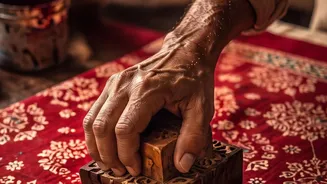
Today, venture just outside Jaipur to explore the world of hand block printing in the artisan villages of Sanganer and Bagru. Though only a short drive apart, each village has a distinct style. Sanganer, about 16 km from Jaipur, is known for its delicate floral patterns and intricate detailing, often on a white background. Bagru, in contrast, is famous for its earthy, rustic prints using natural dyes and a mud-resist technique called 'dabu'. Many tour operators offer day trips where you can visit the workshops of the Chhipa community, who have passed this skill down through generations. You can witness the entire process, from carving the wooden blocks to the final printing, and even print your own scarf or fabric.
Day 4: The Gleam of Traditional Brassware
Return to the heart of Jaipur's old city to discover its legacy of metalwork. Tripolia Bazaar, one of the city's oldest markets, is the epicentre for brassware. Dating back to the 18th century, this market is filled with shops selling a dazzling array of brass items, from intricately carved utensils and lamps to religious idols and decorative pieces. Spend the day walking through its narrow lanes, where the sounds of metal being hammered and polished fill the air. You can observe artisans at work, learn about the different techniques, and find unique, handcrafted pieces that reflect a tradition of craftsmanship that once catered to Jaipur's royalty. The market is a living museum, offering a glimpse into the enduring importance of metal in Rajasthani culture.
Day 5: Last-Minute Treasures and Departure
On your final day, revisit any of the bazaars for some last-minute souvenir hunting. With a newfound appreciation for the skill and labour behind each item, you will see the markets in a new light. Whether it's a piece of blue pottery, a block-printed textile, or a small brass figurine, you'll be taking home more than just an object; you'll be carrying a piece of Rajasthan's living heritage. Depending on your travel schedule, you could also visit a state-run emporium like Rajasthali, which offers a fixed-price selection of authentic crafts from across the state. This provides a calm and curated final shopping experience before you depart from the Pink City.