



A Sweet Monsoon Tradition
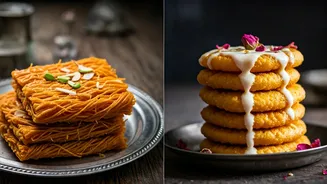
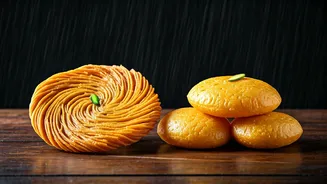
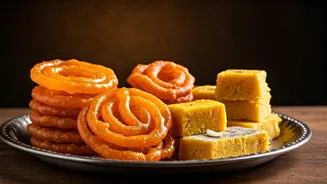
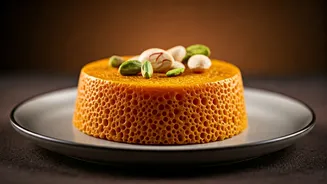
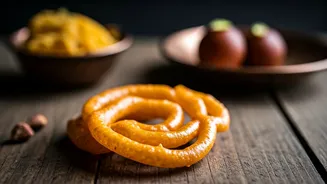
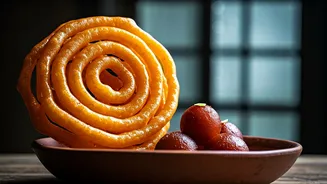
The dessert in question is Ghevar, a disc-shaped Rajasthani delicacy synonymous with the monsoon festivals of Teej and Raksha Bandhan. This is not just a sweet; it’s an experience. Made from a batter of flour and ghee, it’s fried into a porous, lattice-like
cake that’s both crispy and delicate. After being soaked in sugar syrup, it’s often garnished with nuts, saffron, or a luscious layer of malai (clotted cream) or rabri (thickened sweet milk). Its cultural significance is profound; it's a symbol of celebration, often gifted to married daughters by their parents as a token of love during the Sawan month.
The Science of a Seasonal Classic
There's a reason Ghevar has traditionally been a monsoon specialty. The very technique of creating its signature honeycomb texture is weather-dependent. The thin batter is poured in a steady stream into hot ghee from a height. This process works best in a humid environment, as the moisture in the air helps create the perfect crispy yet soft structure. In dry weather, the batter can fail to form the correct delicate web, making the monsoon the ideal time for its preparation. Ayurvedic tradition also suggests that ingredients like ghee and sugar have calming properties, which are considered beneficial during the rainy season.
From Royal Courts to Modern Cafes
Ghevar’s journey began in the royal kitchens of Rajasthan, where it was created for maharajas before it found its way to the general populace. For generations, it remained a beloved but strictly seasonal and traditional mithai. However, a new wave of culinary creativity is transforming this classic. Chefs and confectioners, recognising the dessert's unique textural appeal and versatile base, have begun to experiment with it. This has catapulted Ghevar from the displays of traditional sweet shops into the menus of trendy cafes and gourmet restaurants, turning it into a canvas for modern dessert artistry.
The New-Age Ghevar
The modern Ghevar is a sight to behold and a treat for the adventurous palate. The classic disc has been reimagined in countless ways, making it a dessert for all seasons. You can now find Ghevar cheesecakes, where the crispy sweet forms the base for a creamy cheesecake filling. Others have turned it into elegant tarts topped with fresh fruits like mangoes, berries, or kiwis. The flavour infusions are endless, from chocolate ganache and matcha mousse to rose frosting and saffron-infused cream. There are even savoury versions, like Ghevar chaat, which pair the crispy base with tangy and spicy toppings. These innovations have untethered Ghevar from its monsoon-only status, offering a version for every mood and time of year.
Why We Can't Get Enough
The enduring appeal of Ghevar lies in this perfect blend of nostalgia and novelty. The traditional form evokes memories of festivals, family gatherings, and the joy of monsoon. Its unique, crunchy-syrupy texture sets it apart from denser Indian sweets like gulab jamun or barfi. The modern variations, meanwhile, offer an element of surprise and cater to a generation that loves fusion and highly Instagrammable food. By retaining the dessert's essential soul while introducing new flavours and forms, chefs have ensured that Ghevar remains relevant and exciting. It's a sweet that respects its roots while playfully winking at the future.