

The Philosophy: Beauty as a Reflection of Health
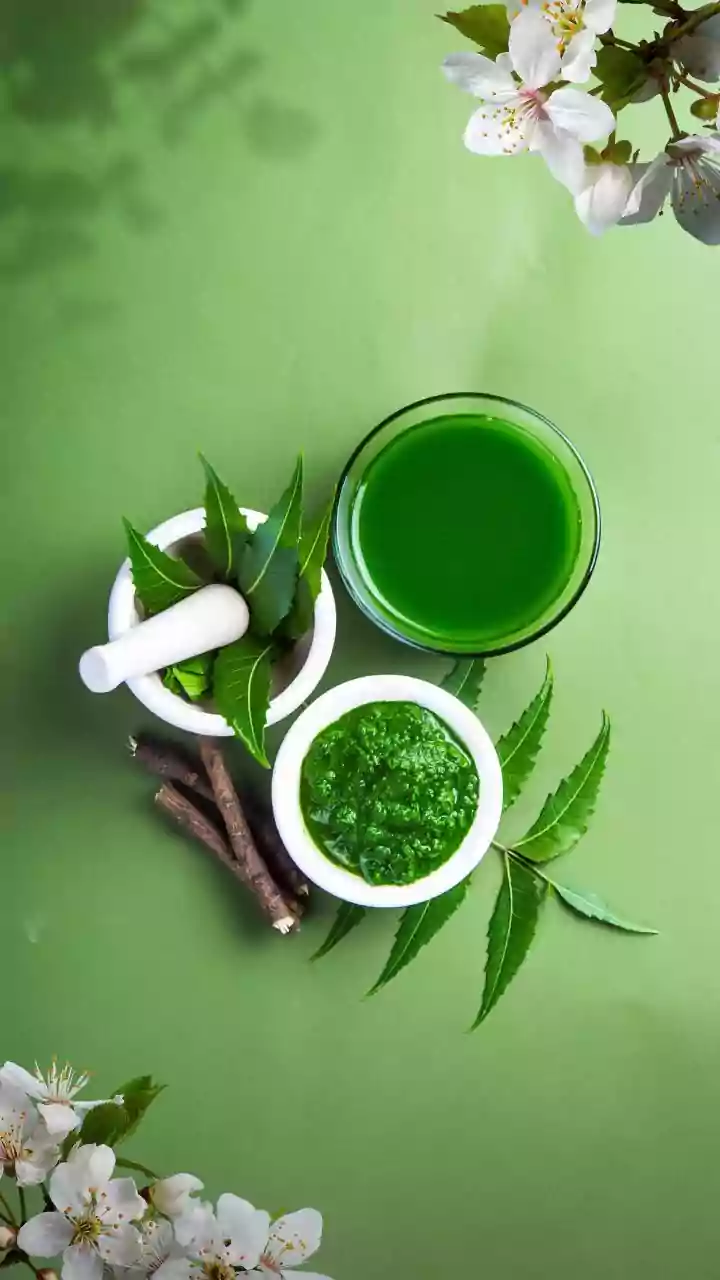
In ancient India, beauty was seen as an outward sign of inner health and balance, a concept deeply rooted in Ayurveda. This 5,000-year-old science of life taught that true radiance wasn't about masking imperfections but nourishing the body from within.
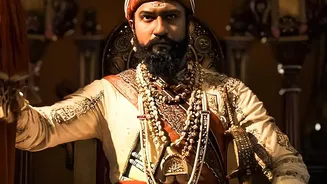
Royal practices were intertwined with the seasons and daily life, aiming to achieve longevity, health, and happiness. These weren't just treatments; they were rituals that connected the body, mind, and spirit, using nature's bounty to create harmony. This philosophy defined three pillars of beauty: 'Roopam' (outer beauty), 'Gunam' (inner beauty of character), and 'Vayastyag' (lasting beauty that defies age).
The Royal Glow: Ubtan and Precious Pastes
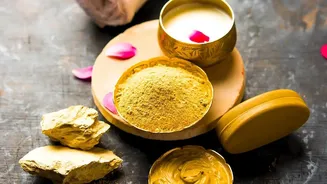
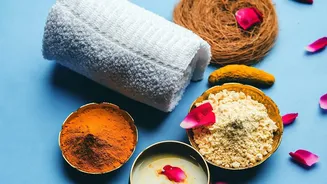
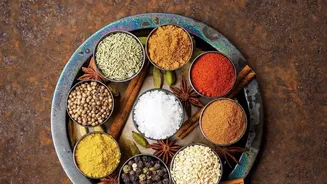
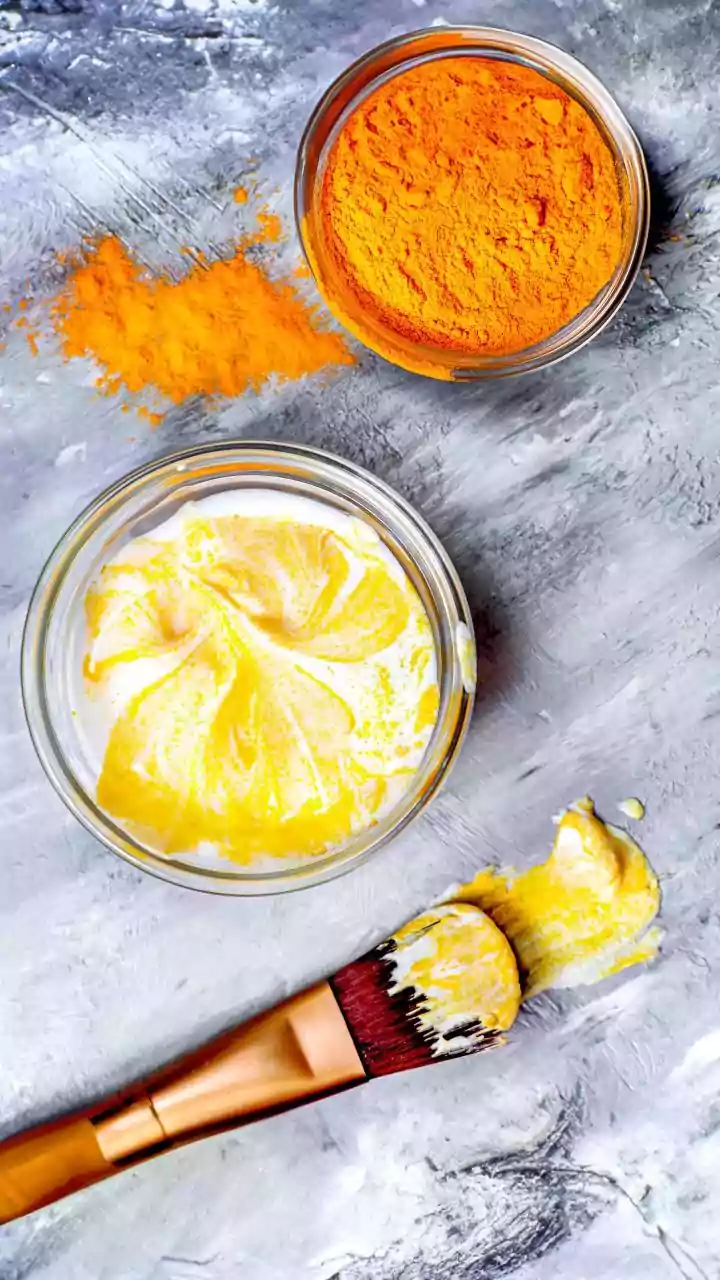
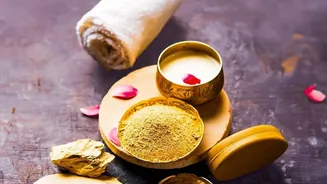
The quintessential royal beauty treatment was 'ubtan', a bespoke paste made from ingredients like chickpea flour (besan), turmeric, sandalwood, and milk or rosewater. This all-in-one cleanser, scrub, and mask was a pre-wedding essential for both brides and grooms, believed to purify and illuminate the skin. Regional variations abounded; Rajput queens in arid Rajasthan used saffron-infused milk for a golden glow, while Kashmiri royalty used walnut shell powder for exfoliation. In Mughal courts, empresses like Nur Jahan were known to favour pastes of turmeric and saffron to achieve radiant complexions. Some recipes even included luxurious additions like ground pearls or silver for special occasions.
The Power of Clays and Floral Waters
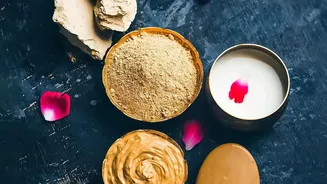
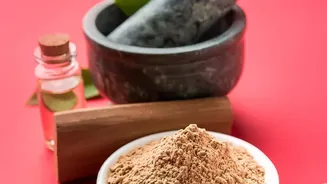
Multani mitti, or Fuller's Earth, was another prized secret, especially popular in Mughal harems. This mineral-rich clay, named after its origin city of Multan, was famed for its ability to absorb excess oil, cleanse pores, and soothe inflammation. Royals would mix it into a paste with rosewater or milk for a cooling and clarifying face mask. Floral waters, particularly rose water ('gulab jal'), were indispensable. Mughal empress Nur Jahan is often credited with popularising rose water and 'ittar' (natural perfume oils) in India after noticing the fragrant oils left behind from her rose petal baths. These distillates were used as facial toners, fragrant body mists, and to add a touch of luxury to royal baths.
Nourishing Oils and Fragrant Hair
The practice of hair oiling, or 'Abhyanga', was a cherished ritual for maintaining long, lustrous hair. Warm coconut, sesame, or almond oil was massaged into the scalp, often infused with herbs like amla (Indian gooseberry) and hibiscus to strengthen roots and promote growth. This was more than just hair care; it was a moment of relaxation and self-care. Jasmine and other floral oils were used not only to perfume the hair but also to soften the skin. Legendary beauties like Rani Padmini were said to have preferred the aromatic steam from heated oils for their skin and hair treatments.
The Allure of Kohl-Rimmed Eyes
No discussion of Indian beauty is complete without mentioning kajal or kohl. Its history in India dates back to the Indus Valley Civilization. Traditionally made at home by collecting soot from a ghee or castor oil lamp, this dark, creamy paste was used to line the eyes, making them appear larger and more expressive. Beyond its cosmetic appeal, kajal was believed to have medicinal properties, cooling the eyes and protecting them from the sun's harsh glare. It held cultural significance, used in rituals and even applied to infants to ward off the 'evil eye'. For royal women from the Mughal empresses to Rajput queens, kohl-defined eyes were a signature element of their captivating allure.