





The Rise of the ‘Skin-tellectual’
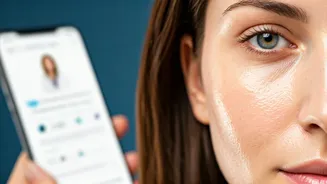
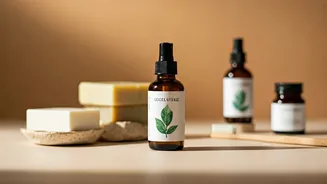
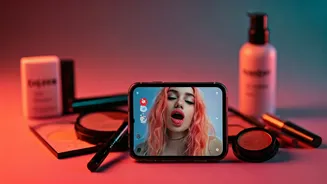
Welcome to the age of the ‘skin-tellectual’—a new wave of consumers who treat skincare with a scientific mindset. These savvy shoppers are swapping flashy packaging for detailed ingredient lists, driven by a desire for proven results. Platforms like TikTok
and Instagram have become virtual classrooms where users learn the difference between AHAs and BHAs, and what actives like niacinamide, retinol, and hyaluronic acid can do for their skin. This self-education movement means people are no longer swayed by vague marketing promises; they demand transparency and efficacy, and they’re willing to do the research to find it. As a result, brands known for their straightforward, ingredient-focused approach, such as The Ordinary and The Inkey List, have seen huge success.
Derms as Influencers and the Social Media Effect
Social media is now the primary starting point for skincare research for many consumers. While influencers have long shaped trends, there's a growing preference for expert voices. Board-certified dermatologists, or 'dermfluencers', are gaining huge followings by debunking myths, explaining complex skin topics, and offering evidence-based advice. Studies show that while a vast number of beauty accounts exist, recommendations from actual dermatologists carry significant weight, influencing purchasing decisions more than celebrity endorsements. However, this digital world is a double-edged sword. Misinformation is rampant, with some studies noting that only a small fraction of dermatology-related accounts are run by certified professionals. This makes it crucial for consumers to critically evaluate sources.
Conscious Consumption and 'De-Influencing'
Alongside the demand for scientific proof is a growing movement towards conscious consumerism. Today’s shoppers are increasingly considering the ethical and environmental impact of their purchases. There's a rising demand for 'clean' beauty products, which are formulated without potentially harmful ingredients, and a push for sustainable practices like refillable and plastic-free packaging. This mindfulness has also given rise to the 'de-influencing' trend, where creators encourage their followers to resist overconsumption and think critically before buying yet another viral product. The focus is shifting from elaborate 10-step routines to a more minimalist 'skinimalism' approach, using fewer, better, and often multi-functional products that deliver real results.
Value-Driven Decisions in a Tough Economy
Economic factors also play a significant role in this new era of considered purchasing. With rising living costs, consumers want to ensure their money is well-spent. This doesn’t necessarily mean spending less, but spending smarter. Shoppers are adopting savvy behaviours like seeking out 'dupes'—more affordable products with comparable ingredients to high-end favourites—which has become a sign of being a smart consumer rather than a source of shame. The willingness to invest in skincare remains high, but only for products that can prove their worth. This pressure is forcing premium brands to justify their price tags with tangible benefits and proven results, while creating opportunities for budget-friendly brands that deliver on efficacy.