








An Ocean Running a Fever
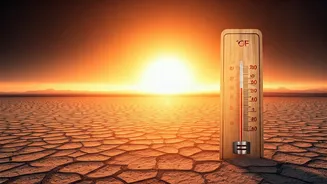
The Indian Ocean is warming faster than any other tropical ocean basin. This isn't just a marginal temperature shift; it represents a massive increase in the energy stored in the water. Think of the ocean as the engine of the monsoon. The system is fundamentally
powered by the temperature difference between the cooler ocean and the warmer landmass. Warmer water evaporates more readily, loading the atmosphere with a higher concentration of moisture. When the monsoon winds sweep across these supercharged waters, they pick up this excess moisture and transport it toward land. In particular, the Arabian Sea, which was once cooler than other parts of the Indian Ocean, has warmed dramatically, by as much as 1.2°C over the last century. This reduces the temperature gradient that drives steady monsoon winds, making the entire system more volatile.
From Steady Rains to Extreme Events
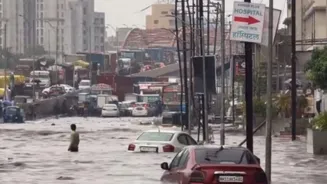
The result of a warmer, more moisture-laden atmosphere is not simply more rain, but a fundamental change in the monsoon's character. Instead of a consistent, season-long drizzle, India is increasingly experiencing what scientists call extreme rainfall events: sudden, intense downpours concentrated in short periods. These are often followed by longer-than-usual dry spells. So while one part of the country might be grappling with devastating floods, another could be facing drought-like conditions. These short, intense bursts of rain are harder for the ground to absorb, leading to rapid runoff, soil erosion, and urban flooding, while doing little to recharge groundwater, which is vital for agriculture. This erratic behaviour makes traditional farming cycles, which are timed to the historical rhythm of the monsoon, increasingly unreliable.
The Challenge of Forecasting a New Monsoon
Predicting the monsoon has always been one of climate science's greatest challenges, given the complex interplay of factors from the Pacific Ocean's El Niño to local atmospheric conditions. Now, climate change is making it even harder. Periods of extreme ocean heating, known as marine heatwaves, can disrupt atmospheric circulation and alter rainfall distribution in unpredictable ways. These phenomena make older forecasting models, which rely on historical data, less reliable. The randomness and short-term variations in the atmosphere have increased, making it difficult to accurately forecast rainfall amounts and locations long-term. This unpredictability risks underestimation of the geographic area and intensity of severe weather events. The growing frequency of cyclones in the Arabian Sea, also fueled by ocean warming, further complicates predictions as they can interact with and disrupt the monsoon flow.
Why Hyper-Local Updates Are the Future
This new, volatile reality is precisely why timely and accurate monsoon updates are more critical than ever. A broad forecast of a 'normal' monsoon for the country can be dangerously misleading when one district faces floods and its neighbour faces a deficit. In response, forecasting agencies like the India Meteorological Department (IMD) are shifting their focus. The emphasis is now on impact-based, hyper-local information. In May 2026, the IMD launched new AI-enabled forecasting systems designed to provide block-level monsoon advance predictions up to four weeks in advance. One pilot project in Uttar Pradesh aims for rainfall forecasts at a 1-kilometre resolution. This level of granular detail allows for specific, actionable advice for farmers on sowing and irrigation, helps municipal bodies prepare for urban flooding, and enables disaster management authorities to issue targeted warnings, ultimately saving lives and livelihoods.