





The Necessity of Sharp Scissors
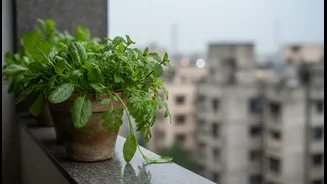
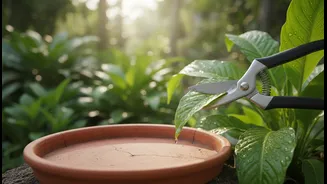
The phrase "sharp scissors" points to one of the most crucial monsoon gardening tasks: pruning. The rainy season encourages rapid, often chaotic, growth. Trimming overgrown branches and removing dead or yellowing leaves is essential. This practice improves
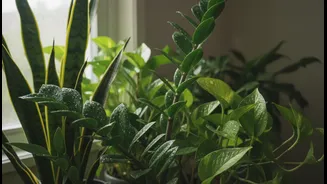
air circulation through the plant's canopy, which is vital for preventing the fungal diseases that flourish in damp, humid conditions. A good trim also allows sunlight to reach the inner parts of the plant and encourages fresh, healthy growth. Use clean, sharp pruning shears to make precise cuts, which helps the plant heal faster and reduces the risk of infection. Regular pruning ensures your plants stay in good shape and are resilient against the battering of heavy rains.
Winning the War on Waterlogging
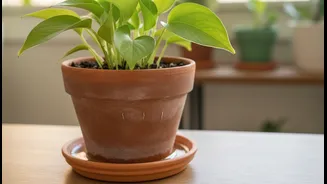
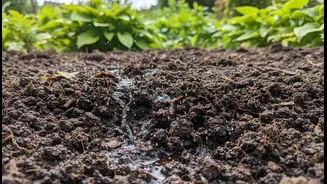
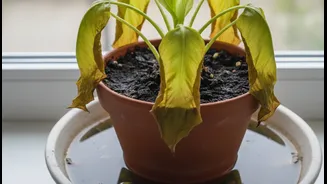
The single greatest threat to potted plants during the monsoon is root rot caused by waterlogged soil. Your summer watering schedule is now obsolete; always check the soil before adding more water. Stick your finger an inch or two into the soil—if it feels damp, wait. The first line of defence is ensuring your pots have excellent drainage. Terracotta or clay pots are ideal as their porous nature helps wick away excess moisture. Make sure drainage holes are not blocked. You can even elevate your pots on bricks or stands to prevent them from sitting in puddles and allow excess water to escape freely. Creating a well-draining soil mix by adding materials like sand or perlite can also make a significant difference.
Harnessing Humidity with Dry Trays
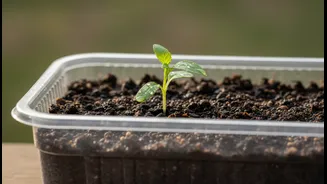
The headline's "dry trays" can be interpreted as a tool for propagation, a task for which the monsoon's high humidity is perfect. This is the ideal season to multiply your favourite plants like hibiscus, jasmine, and money plants from stem cuttings. Take a healthy cutting with a few nodes, trim the lower leaves, and you can root it in soil or water. The term "dry tray" serves as a reminder to provide a controlled environment. While the air is humid, cuttings should not sit in soggy soil. You might use trays to hold small pots with a well-draining medium, or to let cuttings of succulent plants callus over in a dry, sheltered spot before planting. This prevents the base from rotting before roots can form.
On Pest and Fungus Patrol
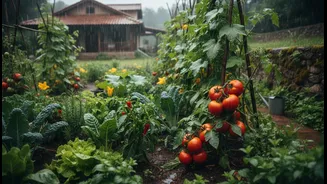
Humid, wet conditions are a paradise for pests like slugs, snails, aphids, and mealybugs. Fungal diseases such as powdery mildew and root rot also thrive. Regular inspection is your best strategy for early detection. Check under leaves and around the base of stems for any unwelcome visitors or signs of disease like white patches or wilting. For many common pests and fungi, a simple, organic solution is a neem oil spray. Mixing neem oil with a mild liquid soap and water creates an effective spray that can be used preventatively every 7-10 days. This natural remedy helps control pests without harming your plants or the environment.
Adjusting Your Feeding Schedule
Constant rain can wash away essential nutrients from the soil, a process known as leaching. While it might seem intuitive to fertilise more, you should proceed with caution. Waterlogged roots are stressed and cannot absorb nutrients efficiently, so feeding a struggling plant can do more harm than good. It's better to wait for a dry spell between rains to apply a balanced, slow-release fertiliser. You can also enrich your soil with a layer of compost or well-rotted manure before the monsoon fully sets in. This improves the soil structure and provides a steady supply of nutrients to keep your plants nourished throughout the season.