






The Smart Traveller's Secret: What Is the Shoulder Season?
The term 'shoulder season' refers to the travel period between a destination's peak and off-peak times. For most of Europe and many parts of Asia, this sweet spot falls during the autumn months of September and October, just after the summer rush and before
the winter lull. While traditionally, Indian international travel peaked during school holidays in May and June, a new trend is emerging. Travellers with flexible schedules, including couples, remote workers, and discerning families, are realising that this autumn window offers the best of both worlds: many of the benefits of peak season travel without the significant drawbacks.
Perfect Weather and Golden Hues
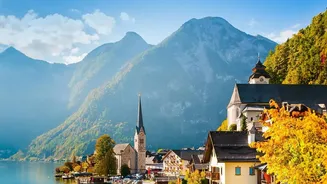
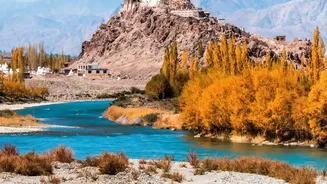
One of the most compelling reasons for an autumn trip is the climate. Europe sheds the intense, often draining heat of July and August for milder, more comfortable temperatures perfect for sightseeing. Cities like Rome and Paris can be explored on foot without the summer swelter, while the countryside in regions like Tuscany and Bavaria is bathed in golden autumn light. Similarly, in Asia, the end of the monsoon season brings pleasant weather to many destinations. Countries like Vietnam and parts of Thailand become ideal to visit, with lush, green landscapes and clearer skies after the rains have subsided.
Fewer Crowds, More Authentic Experiences
Imagine wandering through Rome's ancient sites or strolling along the canals of Venice with room to breathe. Travelling during the shoulder season means significantly fewer tourists. This translates to shorter queues for major attractions, less competition for the perfect photo, and a generally more relaxed atmosphere. With fewer crowds, local life becomes more visible and accessible. It’s easier to get a table at a popular restaurant, interact with locals, and experience a destination at a gentler, more authentic pace. This shift allows for a deeper cultural immersion that is often lost during the hectic peak season.
The Budget-Friendly Advantage
Perhaps the most significant advantage of autumn travel is the cost savings. With demand dropping after the summer holidays, airlines and hotels reduce their prices considerably. Flights and accommodation can be 20-40% cheaper than during the peak months of July and August. These savings can be substantial, allowing travellers to either spend less overall or upgrade their experience, perhaps by staying in a better hotel or indulging in more activities. This makes destinations that might seem expensive during peak season far more accessible for budget-conscious Indian travellers.
Popular Autumn Hotspots for Indian Travellers
In Europe, classic destinations like Italy, Spain, France, and the UK remain popular choices for autumn, offering pleasant sightseeing weather and colourful parks. Countries like Hungary and Slovenia are also gaining traction as value-for-money European destinations. In Asia, the options are equally appealing. Post-monsoon Kerala in India offers lush backwaters without the peak season rush. Further afield, Japan and South Korea are famous for their stunning autumn foliage. Meanwhile, Southeast Asian gems like Vietnam, Thailand, and Indonesia's Bali offer beautiful beaches and cultural experiences with fewer tourists and better prices.