





More Than Just a Summer Treat
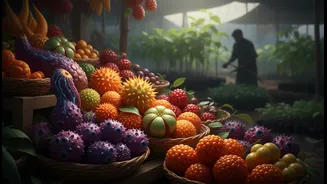
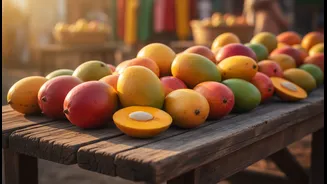
From Dilli Haat in the capital to the Yadavindra Gardens in Pinjore, mango festivals are a vibrant hallmark of the Indian summer. These events bring together farmers, connoisseurs, and families in a sensory celebration of colour, fragrance, and flavour.
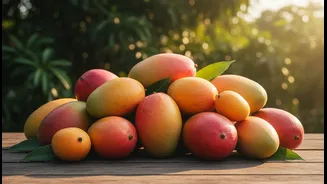
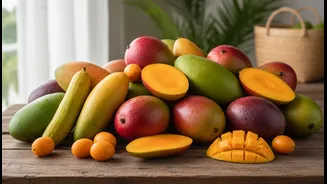
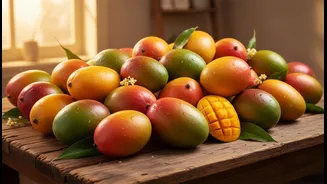
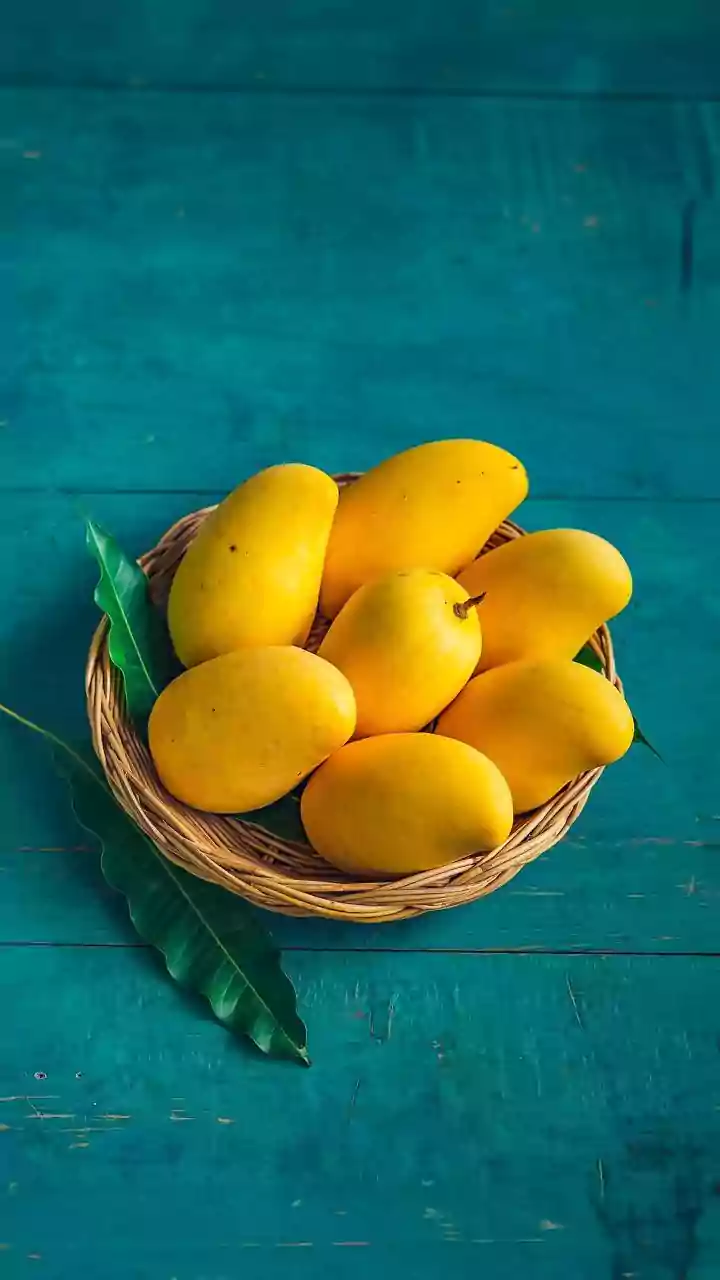
Visitors can marvel at hundreds of varieties, some as small as grapes and others as large as papayas, showcasing a stunning range of shapes and sizes. While mango-eating competitions and cultural programs create a festive atmosphere, the true importance of these gatherings runs much deeper, connecting our love for the fruit to its very survival.
A Living Library of Flavours
India is a global mango superpower, producing nearly half of the world's supply and boasting an incredible diversity of over 1,000 varieties. However, only about 20 are grown commercially on a large scale. This is where mango festivals play a crucial role. They act as a living library, providing a rare opportunity for the public to see and taste heirloom and lesser-known varieties like Himsagar, Gulab Khaas, and Ramkela, which are often confined to specific regions. By showcasing this diversity, festivals raise awareness and create a market for rare types, encouraging farmers to continue cultivating them. These events become a frontline defence against the homogenisation of our food supply, preserving a rich genetic pool that has been developed over thousands of years.
A Hub for Farmers and Scientists
Mango festivals are vital networking hubs that bridge the gap between farmers, scientists, and government bodies. Agricultural universities and research institutes like the Indian Agricultural Research Institute (IARI) often participate, sharing new, higher-yielding, or disease-resistant hybrid varieties such as Amrapali and Mallika. This direct interaction allows growers to learn about innovative cultivation techniques, pest management, and post-harvest technologies. For farmers, these festivals are not just a sales opportunity but a chance to gain knowledge, get fair prices by bypassing intermediaries, and understand consumer preferences, which in turn informs their planting decisions for the future.
Building Climate Resilience
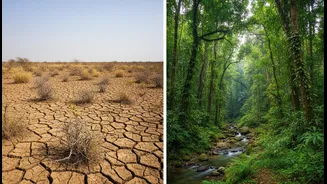
The vast genetic diversity on display at these festivals is not just a matter of taste; it's a critical tool for resilience. A wider gene pool means that there are varieties with different traits—some may be more drought-tolerant, others resistant to specific pests, and some may have different flowering and fruiting cycles. As climate change brings unpredictable weather patterns, this diversity is our best insurance policy. Festivals that promote a wide range of cultivars encourage the on-farm conservation of these genetic resources, ensuring that breeders have a rich library to draw from when developing new varieties that can withstand future environmental challenges.
A Celebration of Regional Pride
Beyond the agricultural science, mangoes are deeply woven into India's cultural fabric. Each region has its star variety, a source of immense local pride. There's the world-famous Alphonso or 'Hapus' from Maharashtra, the sweet Dasheri from Uttar Pradesh, the fragrant Kesar from Gujarat, and the beloved Banganapalli from Andhra Pradesh. Mango festivals amplify this regional identity, turning local fruits into celebrated cultural symbols. Recently, Uttar Pradesh unveiled the 'Kakori' brand for its Malihabadi mangoes, using a festival as the launchpad to tie the fruit's identity to a rich heritage and boost its global profile. These celebrations reinforce the mango's status not just as a crop, but as an emotional symbol connected to family, tradition, and home.