


What Makes a Meal 'Future-Ready'?
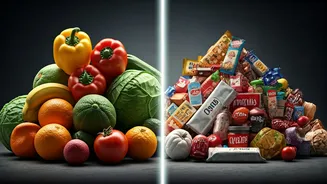
A future-ready meal is one that is nutritious, sustainable, and resilient. It's about more than just taste; it's about making conscious choices that benefit our bodies and the environment. This approach focuses on whole foods that are minimally processed,
packed with nutrients, and have a lower environmental footprint. At the heart of this concept are two powerful, often overlooked, components of our diet: fermented foods and dietary fibre. They represent a return to traditional wisdom, backed by modern science, to create a food system that can sustain us for generations to come.
The Ancient Magic of Fermentation
Fermentation is an age-old process where microorganisms like bacteria and yeast break down food components, such as sugars, into other products like acids or alcohol. This process not only preserves food but also transforms it, creating unique flavours and textures. For Indian households, this is nothing new. From the daily bowl of dahi (curd) and tangy achaar (pickles) to the fluffy idlis and crisp dosas of the south, fermented foods are deeply woven into our culinary fabric. The primary benefit of these foods lies in their probiotic content—live beneficial bacteria that support a healthy gut microbiome. A diverse gut microbiome is linked to improved digestion, a stronger immune system, and even reduced inflammation.
Fibre: The Unsung Hero of Nutrition
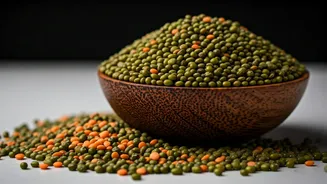
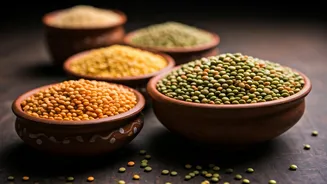
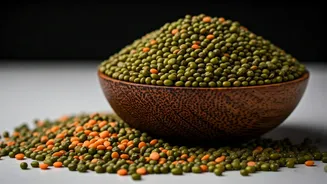
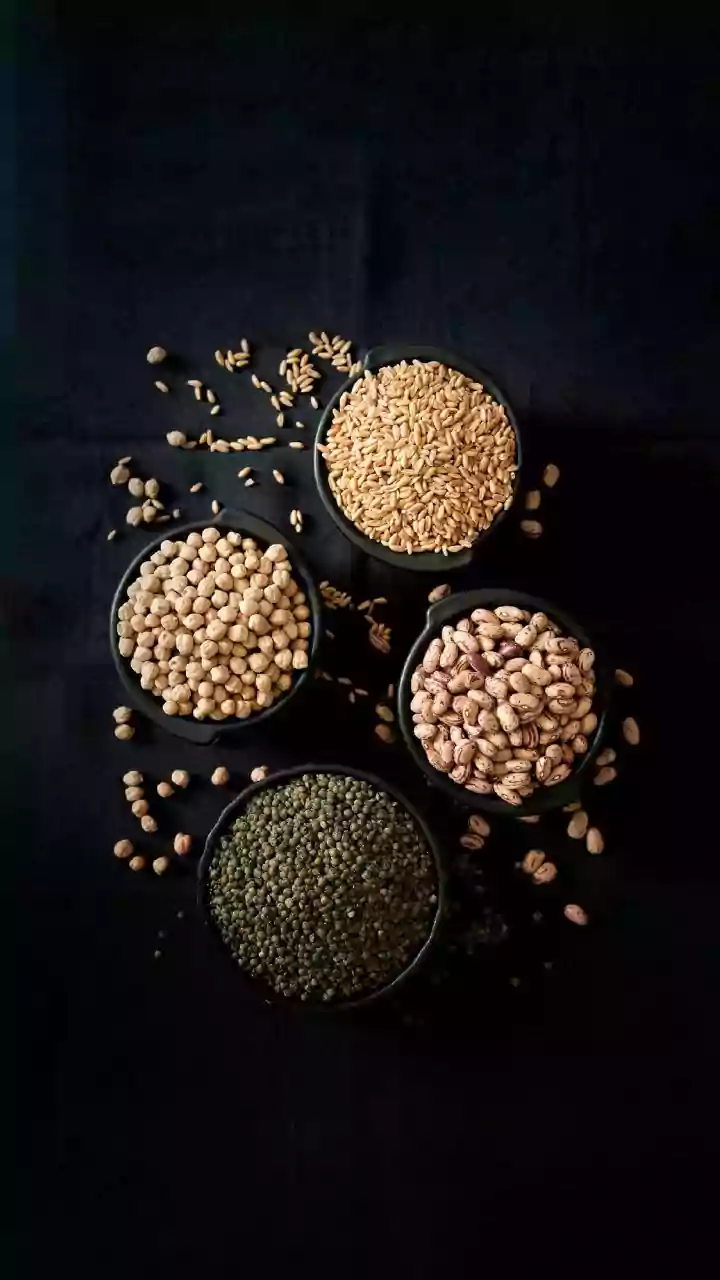
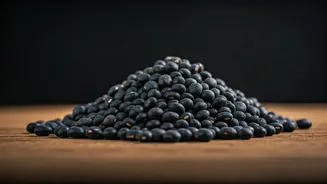
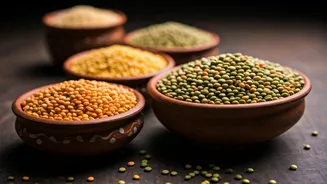
Dietary fibre is a type of carbohydrate that our bodies can't digest. Found in plant-based foods like fruits, vegetables, whole grains, and legumes, it plays a crucial role in our health. There are two main types: soluble fibre, which dissolves in water and can help lower cholesterol and blood sugar levels, and insoluble fibre, which adds bulk to stool and promotes regular bowel movements. A high-fibre diet is associated with maintaining a healthy weight, stabilising blood sugar, and lowering the risk of several chronic diseases, including heart disease and type 2 diabetes. Lentils (dals), millets (jowar, bajra), whole wheat (atta), and a rainbow of vegetables are all fantastic, fibre-rich staples in Indian cooking.
A Powerful Partnership for Gut Health
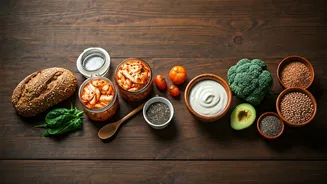
Ferments and fibre are a dynamic duo. While fermented foods introduce beneficial probiotics into our gut, fibre acts as a prebiotic—essentially, food for these good bacteria. The microbes feast on fibre, allowing them to thrive and produce beneficial compounds called short-chain fatty acids (SCFAs). These SCFAs help strengthen the gut lining, reduce inflammation, and support overall health. By combining probiotic-rich foods like dahi or kimchi with fibre-rich ingredients like oats or beans, you create a synergistic effect that powerfully enhances your gut microbiome.
Sustainable Eating Made Simple
The benefits extend beyond personal health. Fermentation is a natural preservation method that reduces food spoilage and waste. It requires less energy than other preservation techniques like canning, making it an environmentally friendly choice. Furthermore, diets rich in fibre are typically plant-centric. A greater emphasis on plant-based foods generally corresponds to a lower carbon footprint, less water usage, and more sustainable land use compared to animal-heavy diets. By embracing ferments and fibre, we are not just eating for our own well-being but also contributing to a more resilient and sustainable food system.
Easy Ways to Boost Your Intake
Incorporating more ferments and fibre doesn't require a complete dietary overhaul. Start with small, gradual changes. Add a serving of homemade dahi or a spoonful of sauerkraut to your lunch. Switch from refined grains to whole grains like whole wheat roti, brown rice, or millets. Snack on fruits, nuts, and seeds instead of processed options. Begin your day with a high-fibre breakfast like oatmeal topped with berries and nuts. When you increase your fibre intake, remember to also increase your water consumption to help your digestive system adjust smoothly.