




A New Culinary Chapter
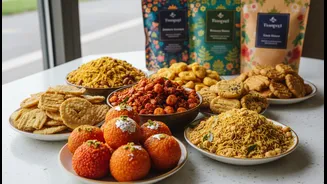
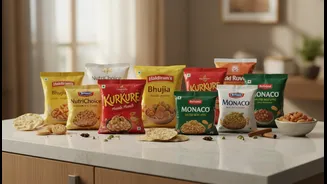
The names are familiar to any household in India. Haldiram's, a giant in the sweets and snacks industry, has long been a go-to for everything from namkeen to soan papdi. Similarly, Bikanervala and Bikaji have built empires on the foundation of traditional
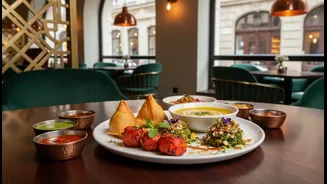
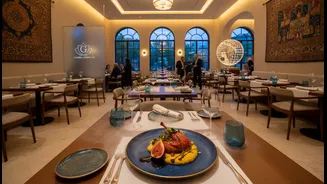
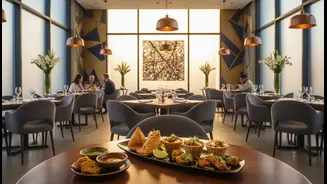
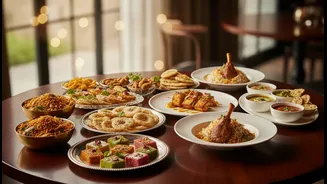
Indian flavours. But a significant shift is underway. These titans of the packaged food industry are aggressively expanding into the restaurant business, and their ambitions are not just limited to India. This strategic pivot has seen them open quick-service and casual dining outlets in major international hubs like London, Dubai, Toronto, and across the United States. The recent opening of a Haldiram's in London's Leicester Square, which drew massive queues, highlights the strong appetite for this trend. It's a move that transforms these companies from product manufacturers into full-fledged hospitality brands, exporting an entire cultural experience.
The Strategy Behind the Shift
Moving from manufacturing to managing restaurants is a complex leap, so why are they doing it? The primary driver is brand extension and the creation of an immersive experience. While a packet of bhujia offers a taste of the brand, a restaurant offers an entire environment. These outlets act as powerful marketing hubs, reinforcing brand authenticity and quality in a way that packaged goods alone cannot. Furthermore, restaurants offer potentially higher profit margins compared to the competitive packaged snacks market. It allows these companies to capture more of the consumer's spending on food, from a quick snack to a full sit-down meal. This strategy also caters to a growing global demand for authentic, diverse culinary experiences. As younger consumers and a large Indian diaspora seek out familiar and high-quality Indian food, these brands are perfectly positioned to meet that demand.
Tasting Success Abroad
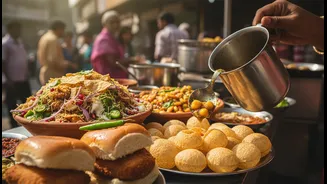
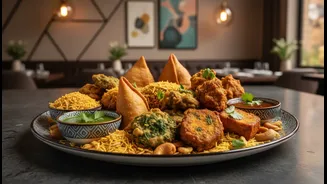
The global push is already showing signs of success. Haldiram's has established a notable presence in the UAE with multiple outlets in Dubai and has a manufacturing facility in the UK to serve European markets. Its restaurants offer a standardised menu of Indian street food classics like chole bhature and pav bhaji, providing a taste of home for the diaspora and an accessible entry point for new customers. Bikanervala has also established a global footprint with restaurants in the UAE, USA, Canada, Singapore, and New Zealand, among others. Meanwhile, brands like Bikaji are actively investing in strengthening their US distribution and have outlined plans to enter the quick-service restaurant (QSR) space. This expansion isn't limited to the legacy giants; newer players like Puchkaman, a QSR brand focused on Indian street food, recently opened its first international outlet in Toronto, signalling a broader trend.
Challenges on the Menu
Despite the opportunities, the transition is not without its hurdles. The restaurant industry operates on a completely different business model than packaged goods manufacturing. It requires expertise in hospitality, customer service, and managing perishable inventory. Maintaining quality and authenticity across continents is a major logistical challenge, from sourcing specific ingredients to ensuring that the chole bhature in London tastes just like it does in Delhi. Standardization is key. Competition is another factor. In cities like London and New York, these brands are not just competing with other Indian restaurants but with a vast and diverse food scene. They must convince diners that their brand of standardised, reliable Indian comfort food is a better choice than a local independent favourite or another global fast-food chain.