



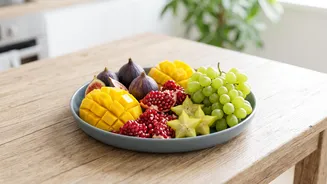
The Missing Ingredient: Dietary Fiber
The single biggest difference between eating a whole fruit and drinking its juice is the fiber content. The juicing process, even a gentle cold press, separates the liquid from the fibrous pulp and skin. This is a significant loss because dietary fiber is a nutritional
powerhouse. It promotes digestive health, helps you feel full, and plays a crucial role in how your body processes sugar. When you eat an apple, for instance, you consume both soluble and insoluble fiber. In contrast, a glass of apple juice contains almost none of this beneficial fiber, leaving you with a concentrated dose of fruit sugar without the components that help your body manage it effectively.
The Sugar Rush vs. Sustained Energy
Without fiber to slow things down, the natural sugars in juice are absorbed into your bloodstream very quickly. This causes a rapid spike in blood glucose levels, often followed by a subsequent crash, leaving you feeling tired and hungry again soon after. This is what nutrition experts refer to as a high glycemic response. Whole fruits, on the other hand, provide sustained energy. The fiber acts as a natural buffer, slowing down the digestion and absorption of sugar. This leads to a much more gradual and stable release of glucose into the bloodstream, helping to maintain balanced energy levels and prevent the sharp peaks and troughs associated with drinking juice. For example, a whole orange has a much lower glycemic impact than a glass of orange juice.
Glycemic Balance and Overall Health
The term 'glycemic balance' refers to keeping your blood sugar levels stable, which is vital for long-term health. Consistently high blood sugar spikes can increase the risk for chronic conditions like type 2 diabetes. Studies have shown that higher consumption of whole fruits is associated with a reduced risk of developing type 2 diabetes, while higher fruit juice intake is linked to an increased risk. The fiber in whole fruit is a key reason for this difference. It slows down gastric emptying and forms a gel-like substance in the gut, which moderates sugar absorption and improves the body's insulin sensitivity over time. Chewing whole fruit also contributes to feeling full and satisfied, which helps with portion control and overall calorie intake—an effect that liquids like juice do not provide.
The Nutrient Question
While cold-pressing is designed to preserve more vitamins and minerals than traditional high-heat pasteurization methods, some nutrient loss is still inevitable. Many important antioxidants and phytonutrients are bound to the fiber in the fruit's pulp and skin, which are discarded during juicing. Furthermore, the moment a fruit is juiced, its nutrients begin to degrade through exposure to oxygen and light. Although a fresh cold-pressed juice can provide a quick dose of vitamins like Vitamin C, it doesn't deliver the complete nutritional package found in the whole fruit. Eating the fruit in its natural form ensures you get the full spectrum of vitamins, minerals, antioxidants, and, most importantly, fiber working together synergistically.
When Is Juice a Viable Option?
This doesn't mean you must banish all juice forever. A glass of 100% cold-pressed juice can be a convenient way to add some extra vitamins to your diet, especially if you struggle to eat enough fruits and vegetables. It can be a better choice than sugar-sweetened sodas or other processed beverages. However, it's best to view juice as a supplement or an occasional treat rather than a substitute for whole fruit. If you do opt for juice, consider it part of a meal that includes protein, fat, or fiber to help slow down sugar absorption. For daily nutrition, prioritize eating your fruits whole to reap all the benefits they were designed by nature to provide.