






When the Mall Was King
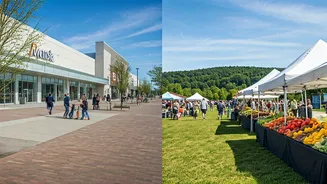
Not long ago, the shopping mall was the undisputed weekend champion. It was a perfect cocktail of comfort and entertainment—a cool escape from the city heat, a place where you could watch a movie, let the kids play, eat a variety of cuisines, and of course,
shop for global brands. Malls became symbols of a new, aspirational India, a one-stop solution for family outings. They were convenient, safe, and offered a predictable, curated experience that drew massive crowds from Friday to Sunday. For many, they were the social hub, the town square of the 21st century.
The Search for Something More
However, the very predictability that made malls popular has started to feel monotonous. The experience, once novel, now often feels generic. With the same brands and food courts in every mall, the sense of discovery has faded. Furthermore, the rise of e-commerce has fundamentally changed our shopping habits; if the primary goal is to buy something, it’s often easier to do it online. This has led people, especially younger millennials and Gen Z, to question if a crowded, expensive trip to the mall is the best use of their precious weekend time. They are beginning to prioritize what has been dubbed the 'experience economy'.
Welcome to the Experience Economy
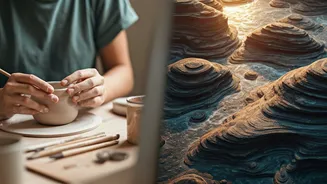
The new mantra for weekend spending is simple: prioritise memories over materials. A growing number of Indians, particularly those between 18 and 25, prefer to spend their money on experiences they can participate in, learn from, and share. This isn't just a fleeting trend; it’s a structural shift in consumer behaviour. Instead of buying another product, people are investing in activities like pottery workshops, stand-up comedy nights, intimate music gigs, and even coffee-brewing masterclasses. These aren't just activities; they're opportunities for connection, self-expression, and creating a life that feels as good as it looks on social media.
The Pull of the Outdoors and the Local
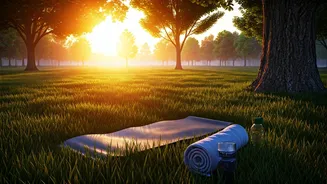
This shift has also led to a rediscovery of the local and the natural. City parks, once neglected, are seeing a revival. Urban dwellers are seeking out hiking trails, riverside camping spots, and nature walks on the city's outskirts. Simultaneously, there's a growing appreciation for community-centric spaces. Farmers' markets and flea markets are becoming vibrant weekend hubs. They offer more than just produce; they provide a direct connection to growers, a chance to support local artisans, and a bustling atmosphere that feels authentic and grounded. Places like Delhi's Sunder Nursery Market or Bengaluru's Soul Santhe have become cultural events in their own right.
Food and Culture as the Main Event
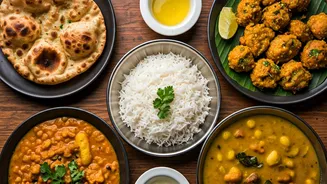
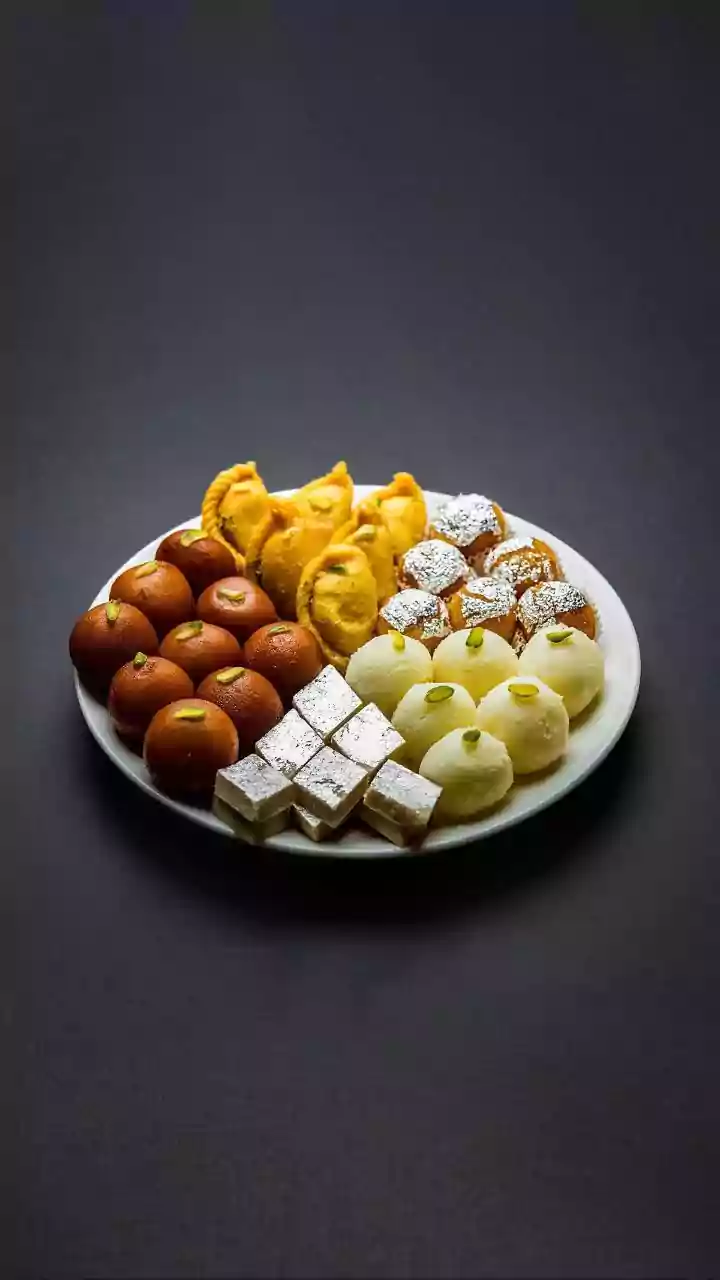
The quest for new experiences extends deeply into food and culture. Dining out is no longer just about satisfying hunger; it’s an adventure. Food lovers are bypassing generic food courts for specialized culinary experiences, from exploring Old Delhi's food trails to visiting microbreweries and artisanal cafes that are destinations themselves. Cultural venues are also booming. Instead of another movie, people are opting for live theatre, art gallery openings, and heritage walks. This cultural renaissance is turning cities into more dynamic places, where entertainment is not just consumed passively but actively sought and experienced.