





The Golden Rule: No Charge for Customers
Let's clear this up first: as a customer, you will not pay any extra fee for making a UPI payment, regardless of the amount. The government and the National Payments Corporation of India (NPCI) have been firm that any new charges must not be passed on to consumers.
If you pay a merchant ₹5,000 via UPI from your bank account, you will only be debited for ₹5,000. The fee, known as a Merchant Discount Rate (MDR), is an internal charge within the payment ecosystem, borne by eligible merchants. So, your daily UPI payments for groceries, shopping, or bills remain as convenient and free for you as ever.
The Key Distinction: Who Gets the Money?
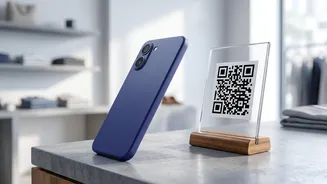
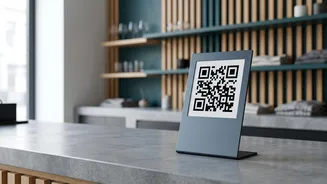
The entire system hinges on one crucial factor: who are you paying? UPI transactions are broadly split into two types: Person-to-Person (P2P) and Person-to-Merchant (P2M). P2P is when you send money to another individual, like a friend or family member. These transactions remain completely free, no matter the amount. P2M is when you pay a business for goods or services, like scanning a QR code at a shop. The new MDR only applies to certain P2M transactions over ₹2,000. Since P2P transactions make up a huge chunk of UPI's value—around 70%—most transfers are entirely unaffected.
The Wallet Factor: Understanding PPIs
The plot thickens slightly with another acronym: PPI, or Prepaid Payment Instruments. Think of these as your digital wallets, like Paytm Wallet or PhonePe Wallet, where you store money beforehand. The much-discussed charge applies specifically to P2M transactions over ₹2,000 that are made using a PPI. If you pay a merchant from your bank account linked directly to UPI, there is no interchange fee. However, if you use the balance stored in your digital wallet to pay that same merchant, an interchange fee of up to 1.1% might apply behind the scenes. This fee is paid by the merchant's bank to your wallet provider.
So, Which Merchants Pay?
Not all merchants are treated equally under the new framework, which took effect on October 15, 2026. A standard Merchant Discount Rate (MDR) of 0.4% now applies to eligible P2M transactions over ₹2,000. For very large transactions of ₹75,000 or more, this fee is capped at ₹300. However, there are important exemptions. Small merchants receiving up to ₹1 lakh per month via UPI are exempt from this charge. Furthermore, critical sectors like railways, fuel, insurance, and utilities will have a lower, flat fee of just ₹5 for transactions over the threshold, ensuring costs remain stable in essential industries.
Why Introduce a Fee at All?
The introduction of the MDR is aimed at ensuring the long-term health and sustainability of the UPI ecosystem. Running the massive infrastructure that processes billions of transactions requires significant investment in technology, cybersecurity, and customer support. Until now, banks and payment service providers have absorbed these costs. The MDR is not a tax for the government; it is a fee that gets distributed among the players in the payment system—like banks and app providers—to help them cover their operational costs and continue investing in the platform's growth and security.