



Beyond Butter Chicken: A World of Flavour
For decades, the global understanding of Indian food was often limited to a few North Indian staples. But a flavour revolution is underway, and Kerala is at its forefront. The state's cuisine is no longer a hidden gem but an emerging global favourite.
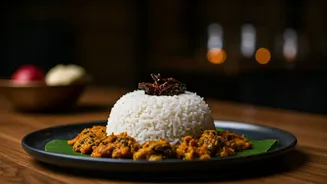
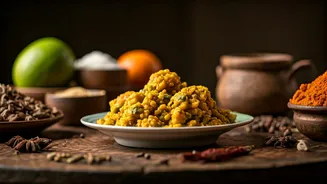
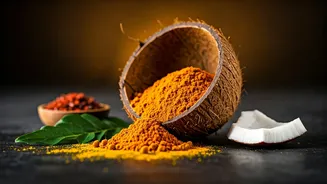
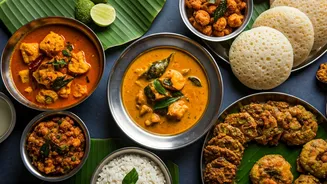
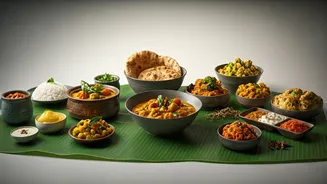
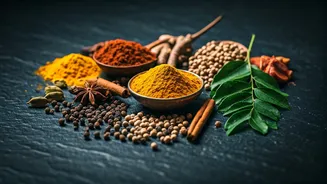
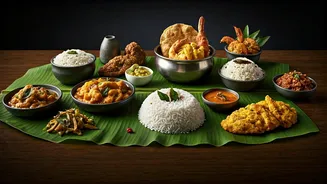
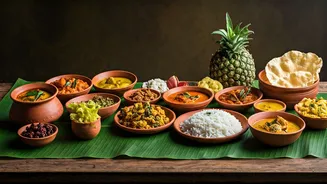
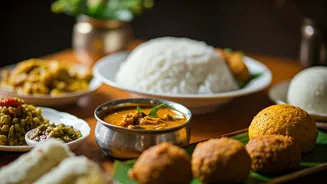
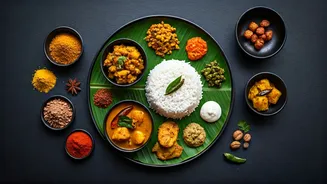
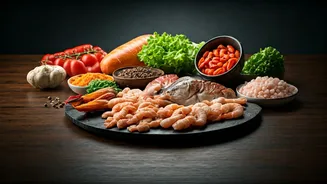
Unlike the cream-heavy curries many are familiar with, Keralan food offers a complex tapestry of tastes shaped by its unique geography and history. Think fresh seafood from its 600km coastline, fragrant spices like black pepper and cardamom from its hills, and the ubiquitous, gentle sweetness of coconut in its myriad forms. This isn't one single cuisine, but many. The Mappila (Muslim) cuisine of the Malabar coast offers rich, aromatic biryanis and meat dishes influenced by Arab traders, while the Syrian Christian community is known for its iconic stews, egg roast and robust beef preparations. Then there is the celebrated Sadya, a vegetarian feast served on a banana leaf with dozens of dishes that create a perfect harmony of sweet, sour, salty, and spicy flavours.
From Kochi to New York: The Global Stage Beckons
The evidence of Kerala's rising culinary star is undeniable. In late 2025, the renowned travel guide Lonely Planet listed digging into Kerala's culinary culture as one of the world's top 25 travel experiences for 2026, making it the only Indian state on the list. This recognition highlights a shift that has been building for years. Food intelligence platform Datassential even named Keralan food its “Cuisine to Know for 2026,” noting that 39% of U.S. consumers are interested in trying it. This growing interest is visible in cities across the world, from Dubai to London, where restaurants focusing on authentic Kerala food are thriving. In New York City, restaurants like Semma, which celebrates unapologetic South Indian flavours, have earned coveted Michelin stars. Meanwhile, chefs like Regi Mathew are winning global honours, such as the One Knife Award at Milan's Best Chef Awards 2025, for their work in promoting and innovating with indigenous Kerala recipes.
What's Driving the Trend?
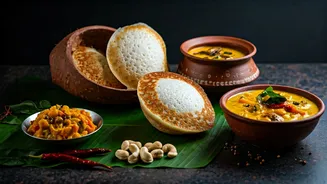
Several factors are fuelling this global appetite. Firstly, there's a growing desire among global foodies for authenticity and regional specificity. Diners are moving beyond generic "Indian curry" and seeking out the unique stories and flavours of specific regions. Secondly, wellness trends play a significant role. Kerala’s cuisine, with its emphasis on fresh vegetables, fermented batters (like in appam and dosa), gut-friendly spices, and healthy fats from coconut, aligns perfectly with the modern focus on health. The cuisine's visual appeal is another major factor; a colourful Sadya served on a vibrant green banana leaf is an Instagrammer’s dream. Finally, the influential Malayali diaspora has been instrumental, opening restaurants and sharing their culinary heritage, creating a bridge for their culture's food to reach a wider audience.
A Taste of Tradition and Innovation
While tradition is the bedrock of Kerala's cuisine, modern chefs are not afraid to innovate. They are presenting classic dishes in contemporary formats like small plates and fusion grills, making them accessible to a global palate without sacrificing their soul. Restaurants in the UK have found success by structuring Kerala meals in a European-style course format, easing locals into the cuisine. Many chefs are also ensuring authenticity by sourcing key ingredients like Malabar peppercorn and short-grain kaima rice directly from Kerala. This blend of authenticity and modern presentation is winning over critics and diners alike. From the flaky Malabar Parotta with beef roast to the tangy Karimeen Pollichathu (pearl spot fish steamed in a banana leaf) and the delicate, lacy Appam served with a mild stew, the world is discovering that Kerala offers a dish for every palate.